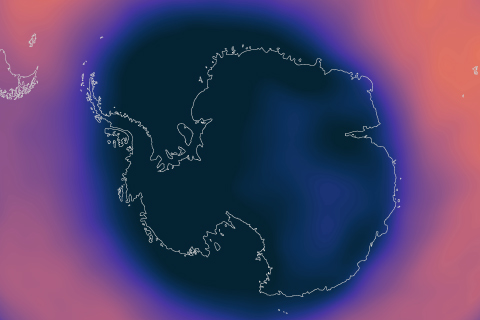
A strong polar vortex supported the formation of a large and deep Antarctic ozone hole in September 2020 that should persist into November, NOAA and NASA scientists reported today.
A strong polar vortex supported the formation of a large and deep Antarctic ozone hole in September 2020 that should persist into November, NOAA and NASA scientists reported today.
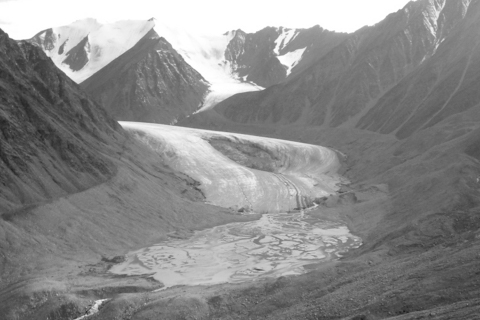
Our global historical temperature records undergo rigorous quality control and independent peer review. Plus, the proof Earth is warming is practically everywhere you look.
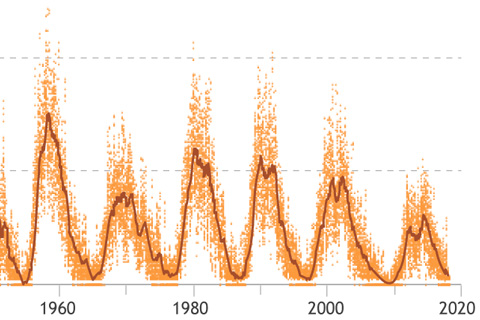
Observations of sunspots and other indicators of solar activity indicate no changes that could have caused global warming over the past half century.
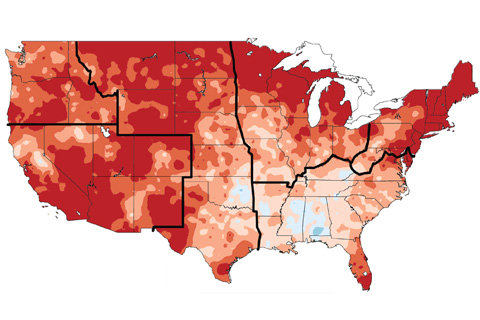
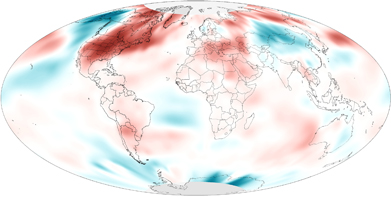
It’s only when we “zoom out” to the planet-wide scale that trends in surface temperature are obvious: despite a few, rare areas experiencing cooling, the vast majority of places across the globe are warming.
Yes, there are, but the only new process on Earth that has been identified that can account for the significant tipping of Earth's carbon balance is human activity, including deforestation, biomass burning, cement production, and—especially—fossil-fuel emissions.
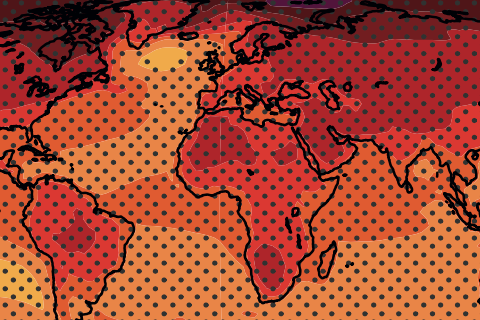
Considering some locations experience temperature swings of 30°F or more in a single day, warming of 1.8°F (1°C) might seem small, but Earth's annual temperatures are very stable when climate isn't changing.
How do we know we can trust the historical surface temperature record? How do we know the rise in carbon dioxide in the atmosphere comes from fossil fuels? Did global warming stop in 1998? Get answers to these and other frequently asked questions.

Earth has warmed in the past due to changes in the Sun, volcanic eruptions, and naturally occurring increases in greenhouse gases. Our ability to understand and explain past changes is one reason we are confident that recent changes are due to humans.

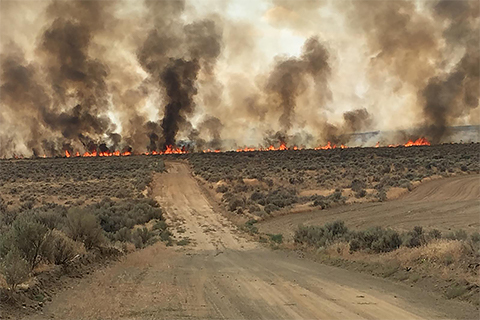
From larger, more intense wildfires to more frequent flash floods, global warming has added to the rising cost of natural hazards. Current spending on infrastructure isn't enough to cover repairs and upgrades.

From heat-related illness, to the spread of pests and pathogens into new areas, to the accumulation of toxins in seafood, global warming is likely to have serious impacts on public health.