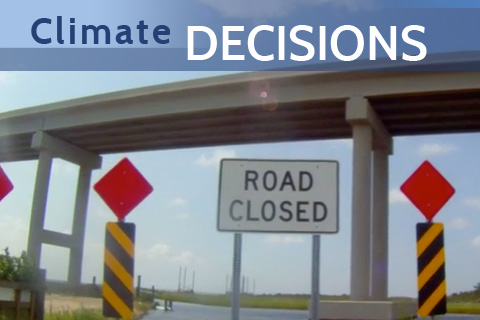
Henri Boulet of the LA-1 Coalition and Tim Osborn of NOAA’s Office of Coastal Survey explain how engineers use climate data to plan for sea level rise and to keep the oil industry in business in Port Fourchon.
Henri Boulet of the LA-1 Coalition and Tim Osborn of NOAA’s Office of Coastal Survey explain how engineers use climate data to plan for sea level rise and to keep the oil industry in business in Port Fourchon.
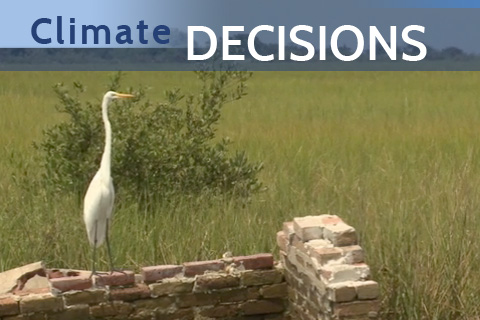
On this tour of the remains of Leeville, Louisiana, long-time resident Windell Curole explains how storms and rising sea level have forced people to retreat inland several times in the last century.
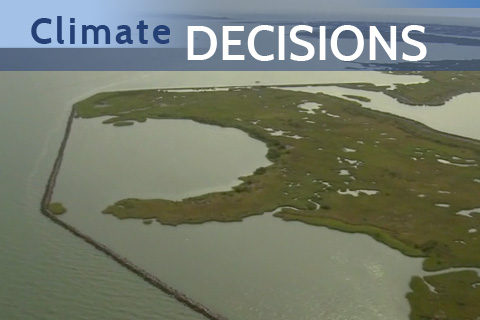
The mayor of the last inhabited barrier island in the Gulf describes how Grand Isle's dunes are Louisiana’s first line of defense against surging storms.
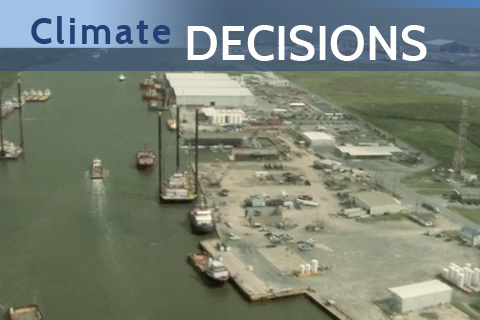
Port Fourchon services 90 percent of all deepwater activity in the Gulf of Mexico. Port Director Chett Chiasson tours the harbor while discussing climate adaptation and resilience.
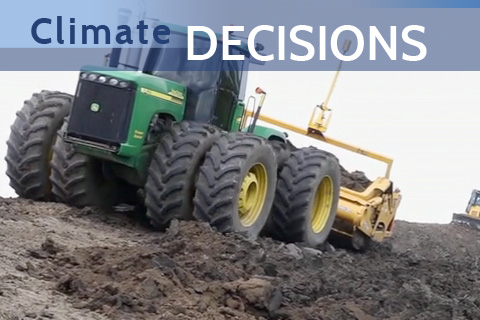
Abundant shrimp, crabs, oysters, and access to the Gulf of Mexico make Fourchon Parish an attractive place to live and work. Windell Curole talks about his responsibilities for maintaining the levees that protect the parish from storm surge and rising seas.

Find out how the Red Cross is using climate information in Vietnam to solve public health problems.
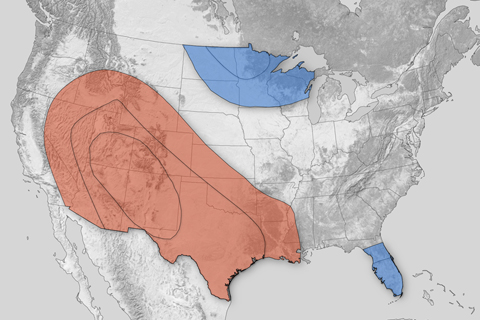
Much of the western and southern central United States could be in for a warmer-than-average winter this year, while the upper Midwest and Florida peninsula could experience colder-than-average temperatures. Most of California and western Nevada could experience well-below-normal precipitation, while parts of the southeast could receive well-above-normal precipitation.
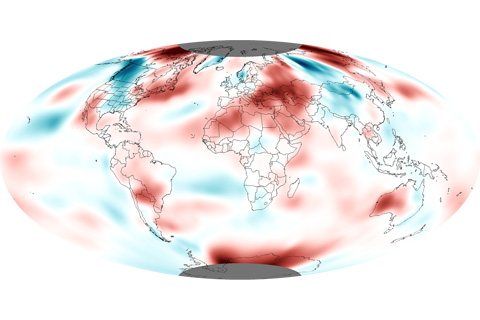
The average global temperature for October 2012 was the fifth warmest October since recordkeeping began in 1880.
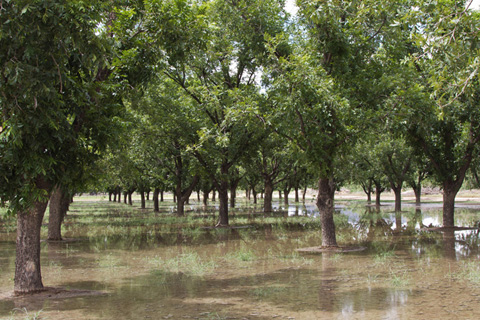
Pecan and chili growers along the Lower Rio Grande can tap groundwater during droughts, but the aquifer water is salty and harmful to the soil over the long term.
After 16 consecutive months with warmer-than-normal conditions, the U.S. is headed for its warmest year on record.