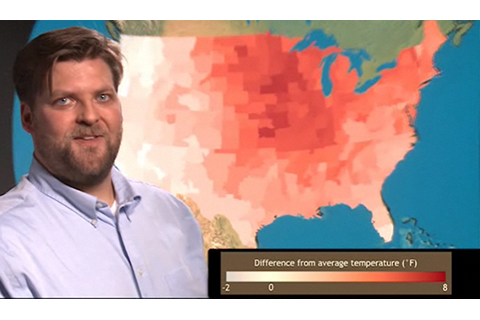
Deke Arndt, Chief of the Climate Monitoring Branch at NOAA’s National Climatic Data Center talks about the unusual heat in May 2012.
Deke Arndt, Chief of the Climate Monitoring Branch at NOAA’s National Climatic Data Center talks about the unusual heat in May 2012.
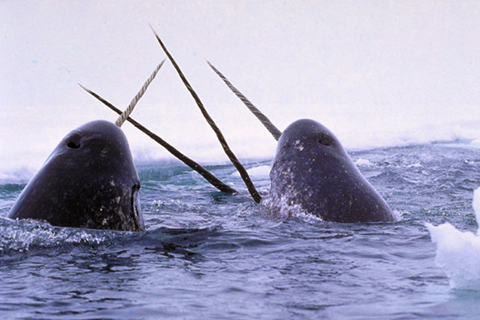
Kristin Laidre, a marine mammal biologist, has taken more than thirty trips to the Arctic, many of them to study the mysterious narwhal. Although the narwhal has appeared in stories throughout history, scientists are just beginning to understand this quirky creature with a fierce survival instinct. But in recent years, a series of unusual events led Laidre to wonder if narwhals are being caught off guard by changes in their unforgiving environment…
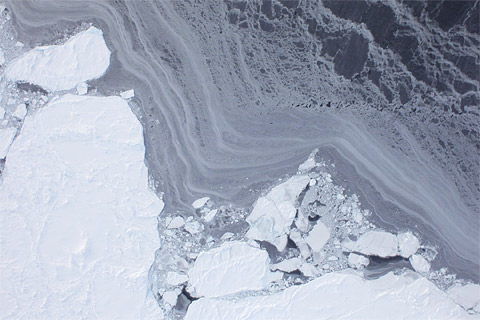
NOAA scientists have documented a new impact of the increasingly thin blanket of Arctic sea ice: gases escaping from the thinner ice in spring are affecting air chemistry, reducing ground-level ozone, and likely increasing mercury contamination.
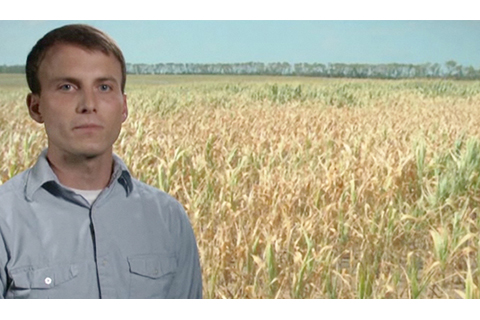
Since the beginning of 2012, drought conditions have worsened along the eastern seaboard, adding to a dry picture for much of the United States.
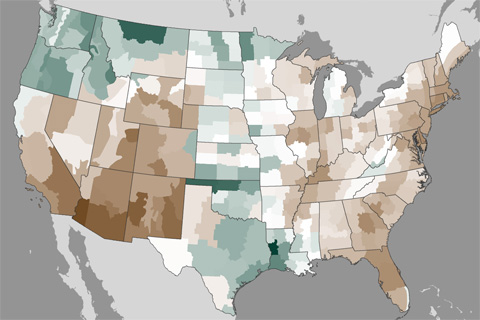
Since the beginning of 2012, the contiguous United States has been experiencing drier than average conditions. This lack of precipitation is affecting water availability for agriculture and municipal use, as well as increasing concerns about soil quality and wildfires.
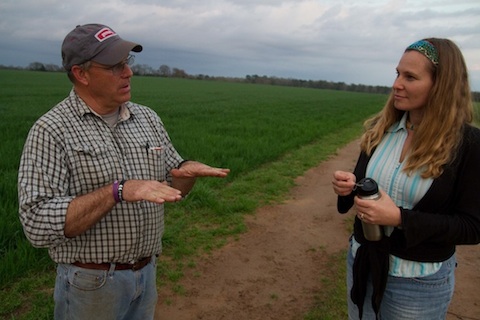
From poor soil to scorching summer heat, farmers in the U.S. Southeast face some significant challenges. Two Southeast growers are looking to seasonal climate forecasts to give them an edge.
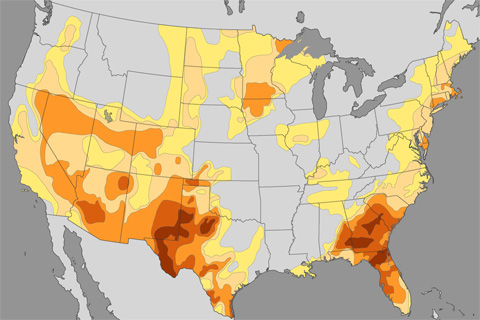
After a record-breaking drought last summer, dry conditions continue to linger in large portions of the South this spring.
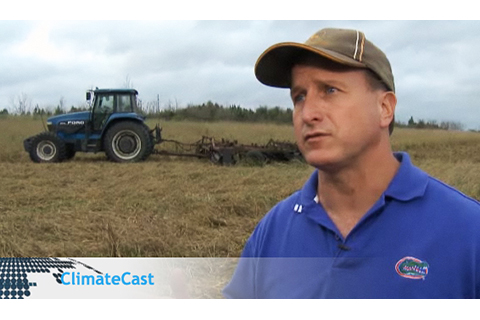
Grower Kirk Brock talks about adapting to rainfall extremes on his dryland farm in Florida and how seasonal climate forecasts should help him improve his operation.
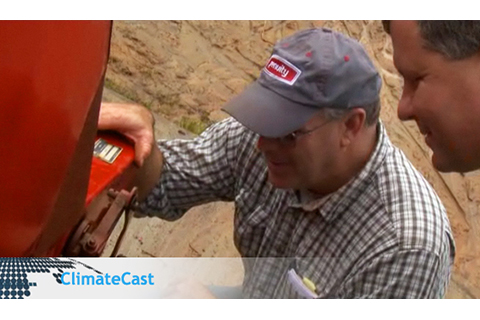
Alabama farmer Myron Johnson talks about how adding seasonal climate outlooks to his decisions about when to plant and harvest his cover crops helped produce a bumper cotton crop during the 2010 growing season.
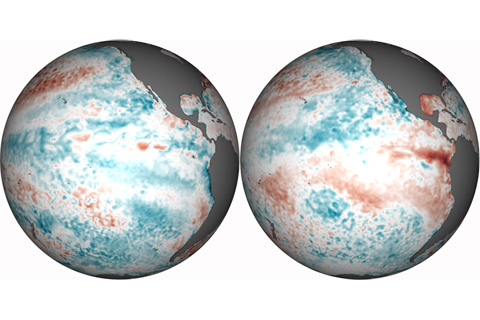
Temperatures in the eastern tropical Pacific Ocean swing back and forth like an irregular pendulum. The cool phase—which the Pacific has been in for the past two winters—is called La Niña. According to NOAA’s April 2012 ENSO Diagnostics Discussion, La Niña is fading and will likely be over by the end of April.