
Members of the Carolinas Integrated Sciences & Assessments (CISA), a NOAA RISA team, compiled an integrated assessment of the conditions which contributed to the October 2015 extreme rainfall and ...
Members of the Carolinas Integrated Sciences & Assessments (CISA), a NOAA RISA team, compiled an integrated assessment of the conditions which contributed to the October 2015 extreme rainfall and ...

New research shows that atmospheric concentrations of a class of ozone-depleting chemicals used as refrigerants, foam blowing agents, and solvents peaked in 2021, and are now beginning to decline as nations comply with Montreal Protocol restrictions.
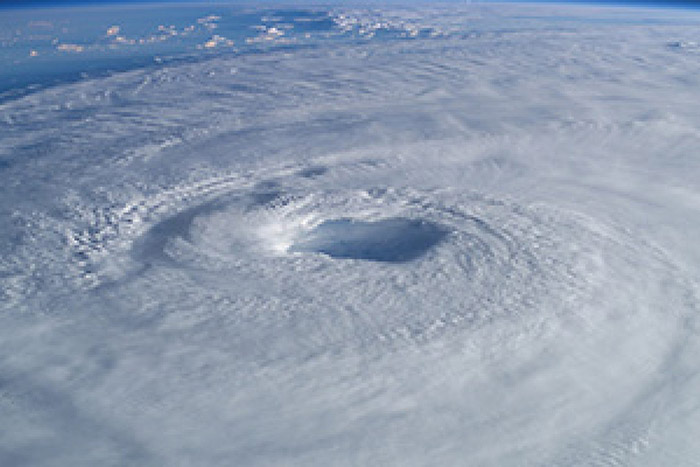
A new study supported by the Climate Program Office’s Climate Variability & Predictability (CVP) Program explores the transformation tropical cyclones undergo as they move away from the equator.
In partnership with the Hopi Department of Natural Resources, Climate Assessment for the Southwest (CLIMAS) – a RISA program – has helped generate the first ever Hopi Quarterly Drought Status ...
The research shows that eliminating anthropogenic emissions from the City of Boston could also decrease public health mortalities by 288 deaths per year, saving the city $2.4 billion annually.
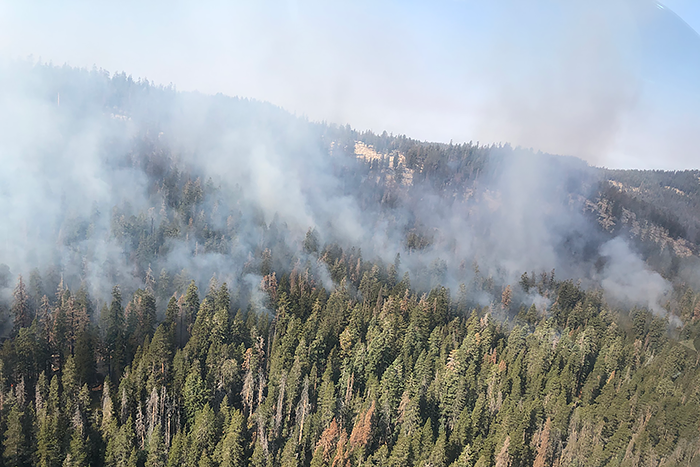
Climate change is altering wildfire behavior and vegetation in forested regions. Historically, California wildfires occurred more frequently at a lower severity, reducing surface fuels and encouraging forest growth. Modern forests have higher tree density and fuel loads, increasing fire severity.
According to a new climate change assessment report for the Commonwealth of the Northern Mariana Islands, led by members of CPO's Pacific Regional Integrated Sciences and Assessment team (Pacific…
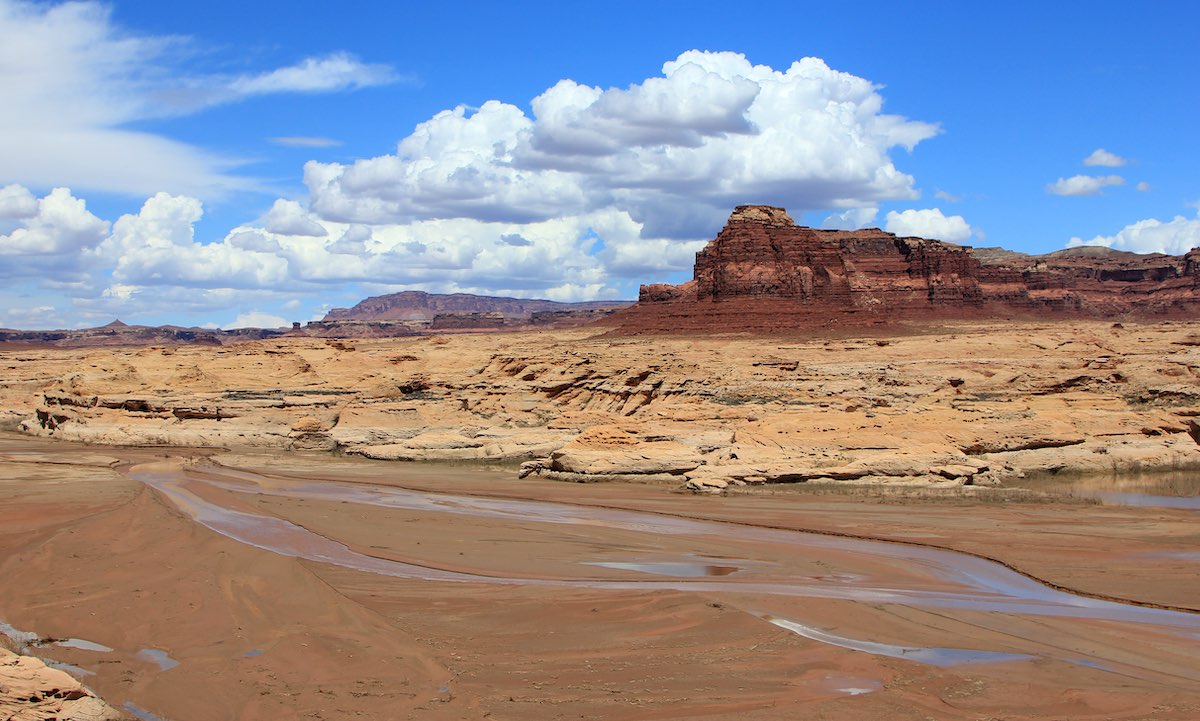
Climate change shifts the baseline for what should be considered “normal” hydrological conditions, which shifts the definition of drought. Thirty years usually provide adequate data for climatology, but shorter periods using more recent data may work better for rapidly changing areas such as the Southwest.
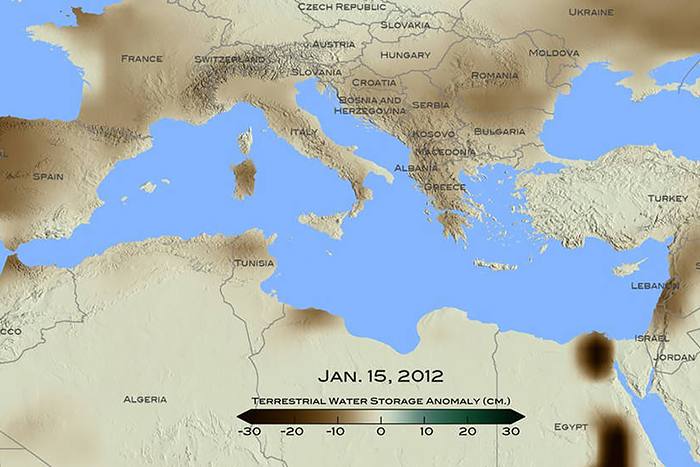
Climate models forecast declines in Mediterranean winter precipitation, thanks to a weakened Atlantic Meridional Overturning Circulation. Simulations suggest the Mediterranean may dry even with substantial reductions in greenhouse gas emissions after 2040.
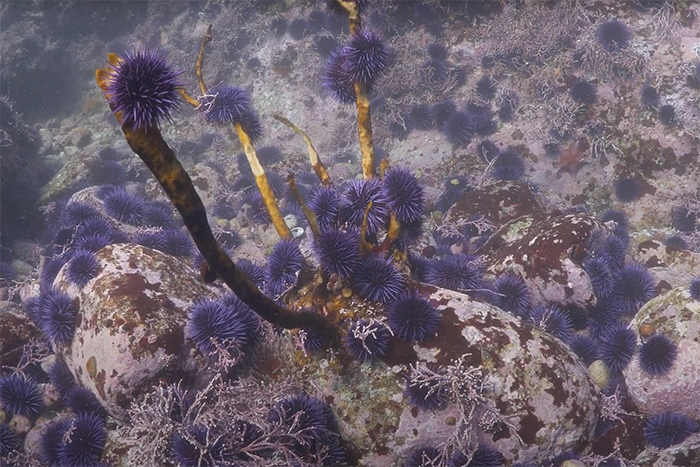
A newly released video highlights how climate change is affecting marine sanctuaries, and how NOAA is addressing climate change impacts in these spectacular places.