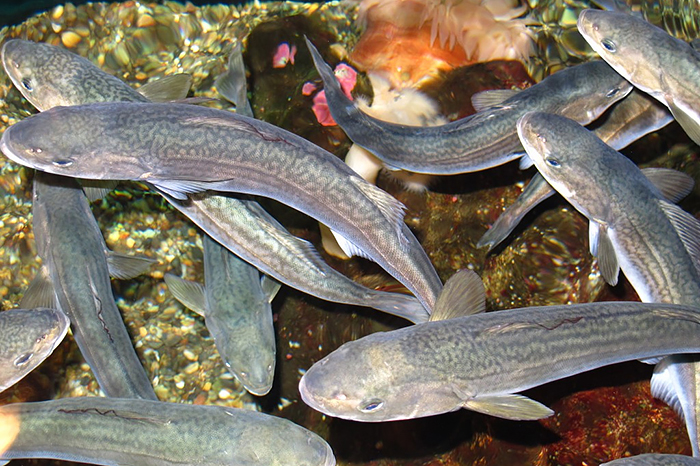
Benefits include improved wildfire forecasts, safer drinking water, better flood predictions, sea floor mapping, and healthier fisheries.
Benefits include improved wildfire forecasts, safer drinking water, better flood predictions, sea floor mapping, and healthier fisheries.

Tracking greenhouse gas levels in the atmosphere, understanding ocean warming, exploring the link between climate change and hurricanes, tracking warming in the Great Lakes, and working towards climate resilience are just five examples of the many ways NOAA scientists are answering questions about climate change and its potential impacts on human societies.
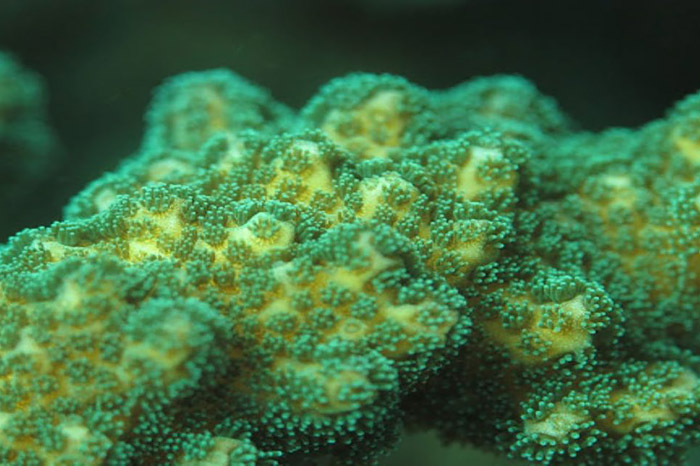
A marine heatwave is a period of extreme ocean temperatures (90th percentile above normal temperatures). But scientists debate what constitutes “‘normal.” The baseline period used changes the definition.

Islands in the Caribbean can enjoy near-daily rainfall but have limited freshwater reserves, making them especially vulnerable to sudden, rapid drying. A new study identifies instances of widespread flash drought outbreaks.
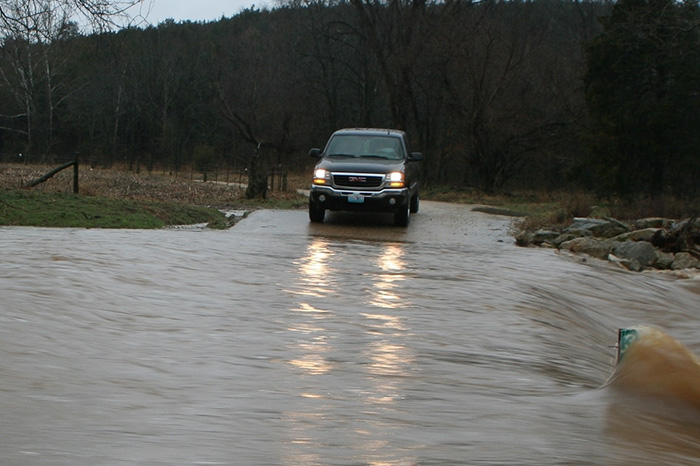
New climate modeling indicates an increase in flash flooding across most of the United States. Heavy rainfall events will likely cause more frequent and stronger flash floods by the end of the century.
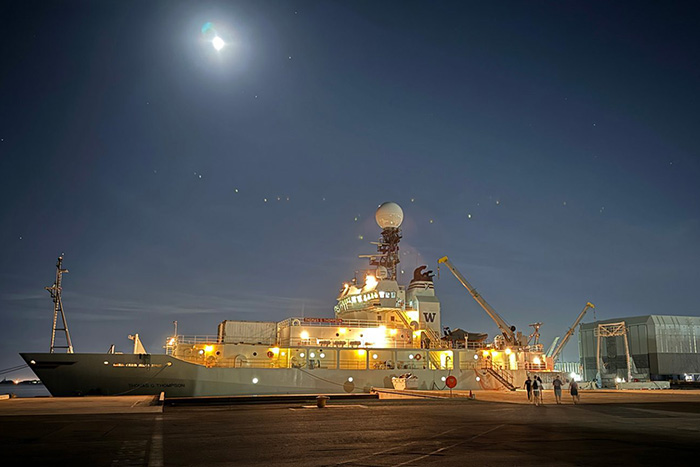
Traversing from Fremantle, Australia to Antarctica’s Prydz Bay and back again, the crew aboard the Research Vessel Thomas G. Thompson successfully concluded the I08S GO-SHIP cruise on April 1, 2024.

Heat waves and cold spells aren’t always as dramatic as hurricanes and tornadoes, but they can be just as dangerous. New research might soon enable forecasting of these events months in advance.

Forest Service personnel have turned to NOAA’s Climate Explorer tool for projections of future climate conditions. Available from the U.S. Climate Resilience Toolkit, the tool provides climate projections for every county in the contiguous United States.

On October 5, 2021, retired former NOAA scientist Syukuro “Suki” Manabe was awarded the Nobel Prize in physics for his contributions to climate science.
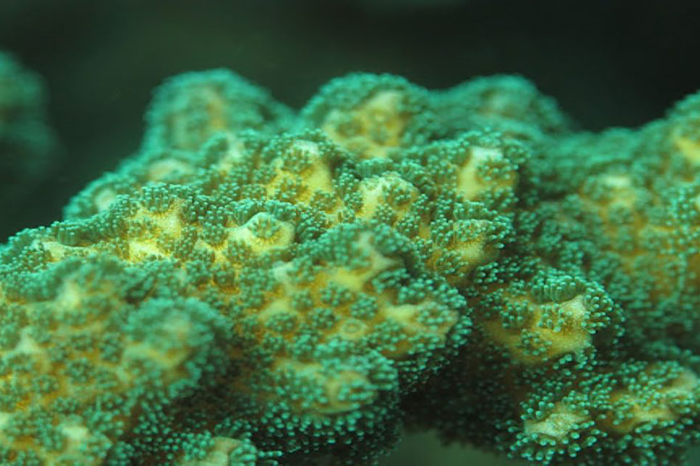
A heat-tolerant algae found in some tropical Pacific corals can make reefs more resilient to heatwave events, according to an exciting new discovery reported in the Proceedings of the National Academy of Sciences.