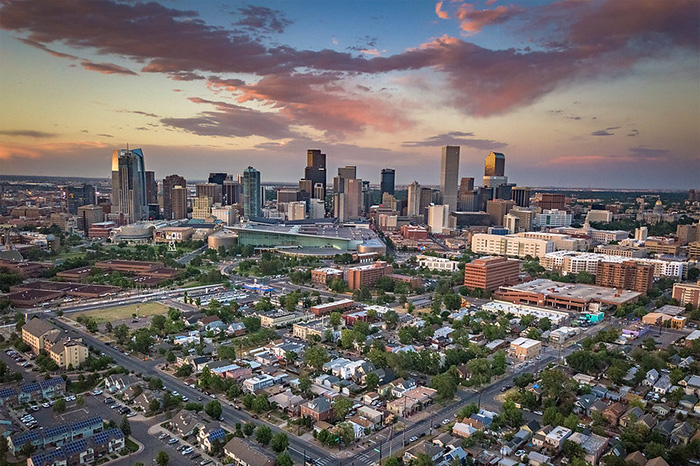
Nitrogen is essential to life on Earth but nitrogen pollution can impact air quality when compounds like ammonia and nitrous oxide become too abundant. A new study examines the effects of farming and wildfires.
Nitrogen is essential to life on Earth but nitrogen pollution can impact air quality when compounds like ammonia and nitrous oxide become too abundant. A new study examines the effects of farming and wildfires.
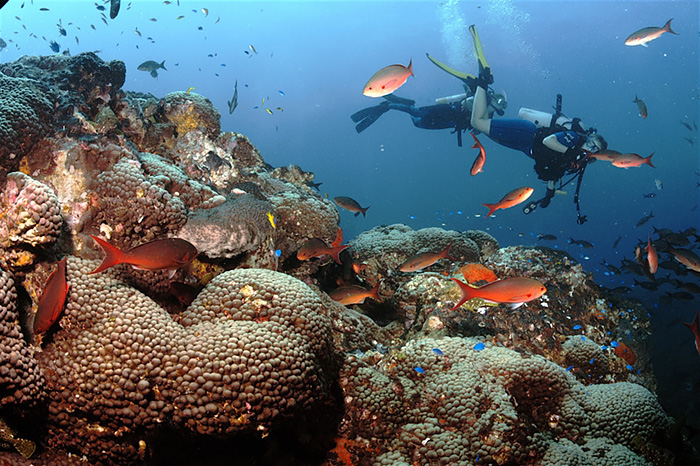
Piecing together Earth’s climate history, tracking marine heat waves, and sharing weather and climate modeling code are just a few of the ways NOAA scientists advanced understanding of the Earth system in 2020.
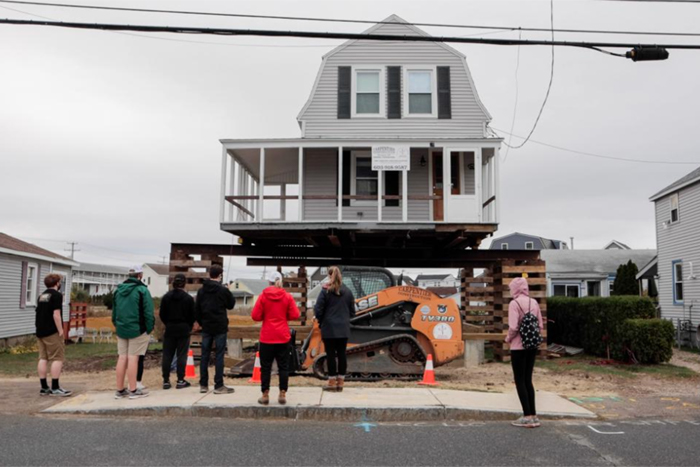
From Alaska to New Hampshire to Hawaii, NOAA Sea Grant programs are working to help coastal communities build resilience to changing conditions, including changing climate.
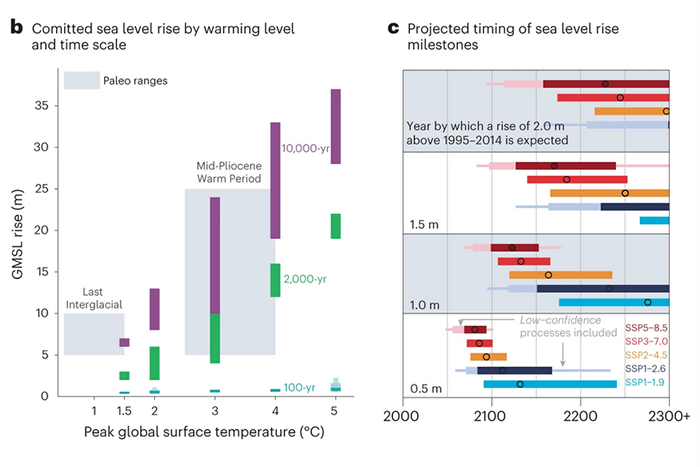
The potential impacts of sea level rise are uncertain, and scientists don't always agree on the probability of particular sea-level events. A new study examines how to represent and communicate to decision makers.
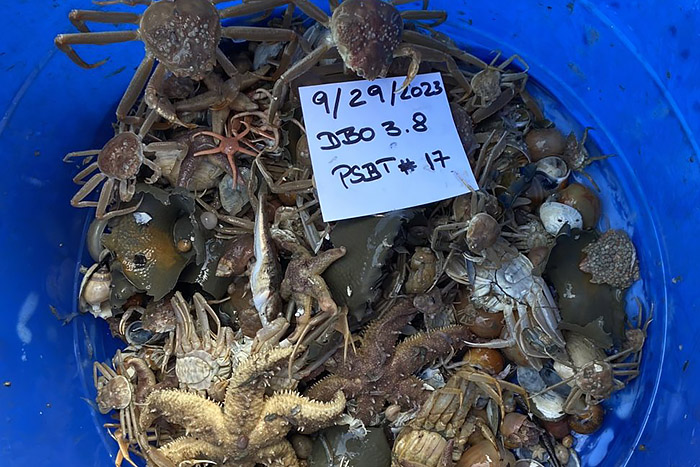
The researchers are not just contributing to research, they are connecting and building scientific communities focused on improving our understanding of Arctic marine ecosystems.
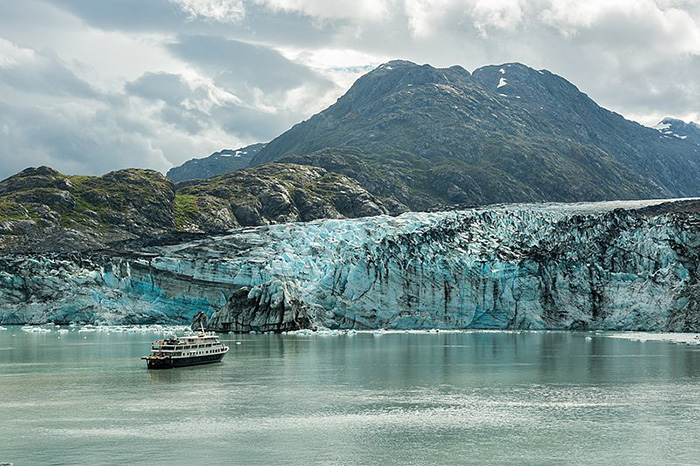
Global warming will change Alaska’s precipitation. A new study projects changes in all warming scenarios, with the increases in both temperature and precipitation.
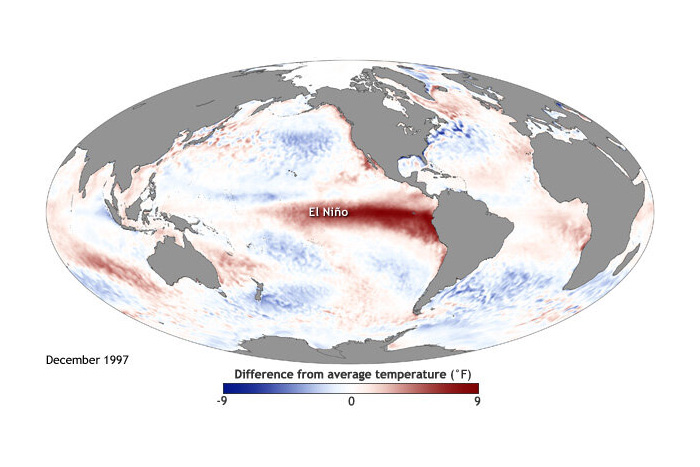
A new study finds that projected future warming will result in El Niño events that grow at a faster rate, persist longer over the eastern and far eastern Pacific, and have stronger and distinct remote impacts.

Human activity has driven a positive trend in Earth’s energy imbalance, increasing the planet’s heat storage. This is the conclusion of a new study by Princeton University and NOAA researchers.
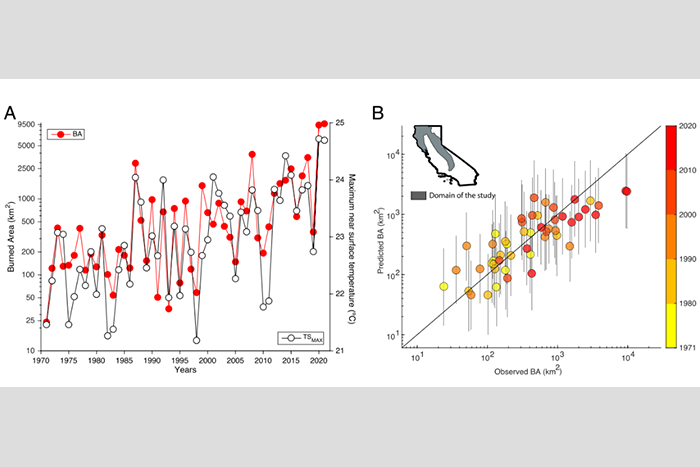
Environmental observations indicate that summer burned areas in northern and central California have increased fivefold over 1996–2021 compared to 1971–1995. A new study finds that nearly all the observed increase over the past half-century is due to human-caused climate change.
