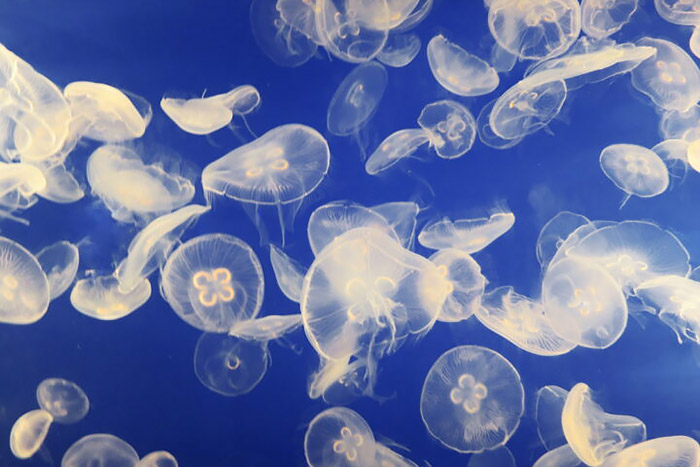
Recent evidence suggests that detritus from fishes and gelatinous zooplankton may have a disproportionate impact on the ocean’s biological pump because they sink approximately 10 times faster than bulk detritus.
Recent evidence suggests that detritus from fishes and gelatinous zooplankton may have a disproportionate impact on the ocean’s biological pump because they sink approximately 10 times faster than bulk detritus.

Key Findings Improved representation of plankton food webs, organic matter remineralization, and linkages between the land, ocean and atmosphere yielded skillful global ocean carbon cycle and…
CPO-funded research analyzing the implications of ocean mesoscale eddies and the atmosphere for western boundary currents was published in Nature . Current climate models underestimate western ...
NOAA’s hurricane gliders are heading to sea this week off the coasts of Puerto Rico, the Gulf of Mexico and the eastern U.S. to collect data that scientists will use to improve the accuracy of ...
Marine heat waves across the world’s oceans can displace habitat for sea turtles, whales, and other marine life by 10s to thousands of kilometers. They dramatically shift these animals’ preferred ...
Marine heatwaves across the world’s oceans can displace habitat for sea turtles, whales, and other marine life by 10s to thousands of kilometers. They dramatically shift these animals' ...
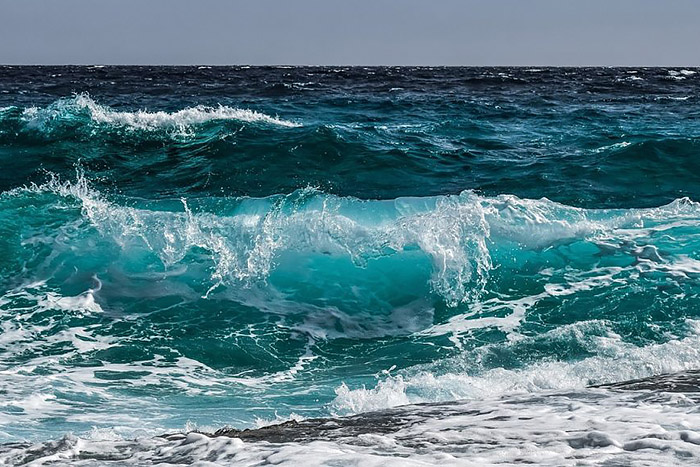
Between the Indian and Pacific Oceans, enhanced water mixing is causes colder sea surface temperatures. A new study finds sea surface temperatures are influenced on daily and seasonal timescales.
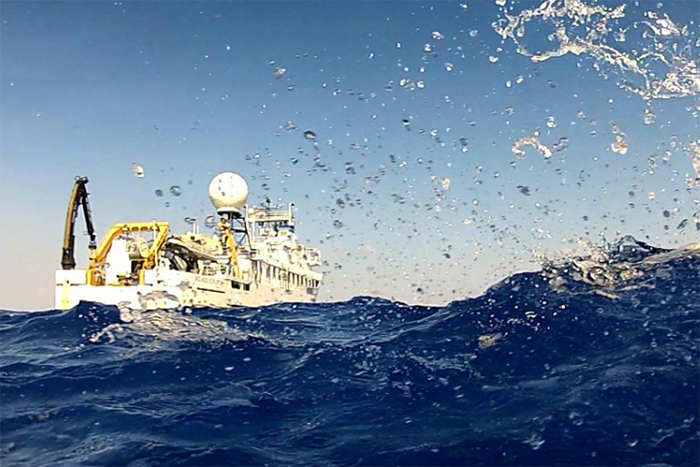
Our ocean and coasts are home to a diversity of life from the smallest single-celled plankton, to the largest animal on Earth, the blue whale. The ocean provides us with vital resources and plays a large role in the climate of our planet.