
From heat-related illness, to the spread of pests and pathogens into new areas, to the accumulation of toxins in seafood, global warming is likely to have serious impacts on public health.
From heat-related illness, to the spread of pests and pathogens into new areas, to the accumulation of toxins in seafood, global warming is likely to have serious impacts on public health.
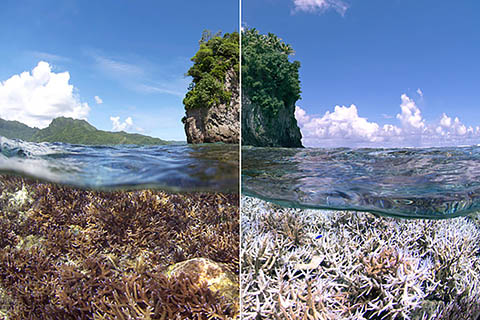
Global warming and related climate change are negatively impacting species and habitats across the country, including many that are economically and culturally important to Americans.

From larger, more intense wildfires to more frequent flash floods, global warming has added to the rising cost of natural hazards. Current spending on infrastructure isn't enough to cover repairs and upgrades.
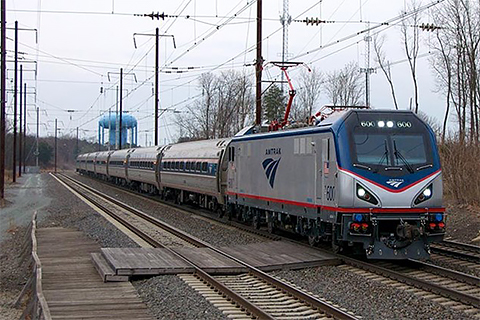
There is great potential for the collective actions of many individuals worldwide to reduce global warming by making changes in their daily and annual activities that produce heat-trapping gases and aerosols.
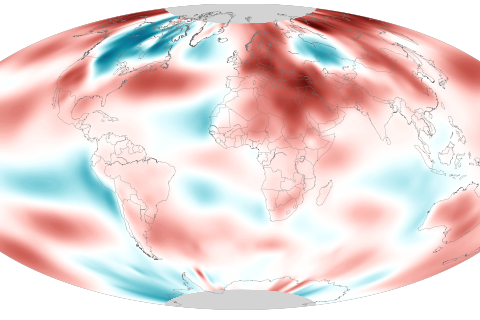
Potential effects of global warming include sea level rise, more frequent and more extreme heat waves, intensification of wet and dry regional climate patterns.

Human-caused climate change is not the sole cause of any single extreme event. However, changes in the intensity or frequency of extremes may be influenced by human-caused climate change.
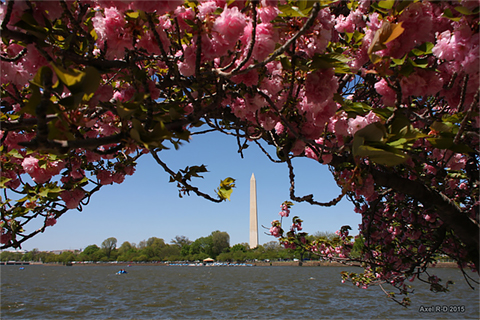
Weather and climate occur on different scales of time and space, and depend on different aspects of Earth's environment. Weather describes atmospheric conditions at a particular time and place. Climate is the overall statistical characteristics of weather and environmental conditions, such as long-term averages and ranges of variability, for a given place and season.
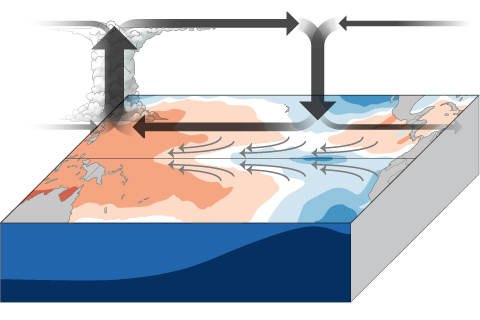
Breadjerknes feedback.... wait, I'm sorry, I mean *Bjerknes* feedback, and how it helps El Niño and La Niña events to grow.
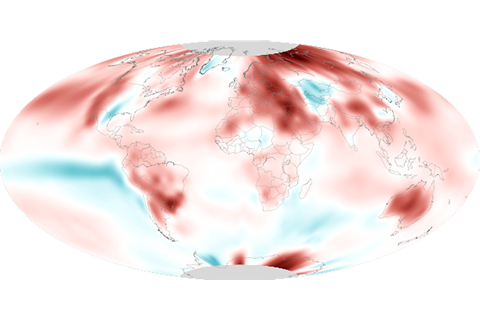
September 2020 was the hottest September on record for the globe, continuing a sweltering year.
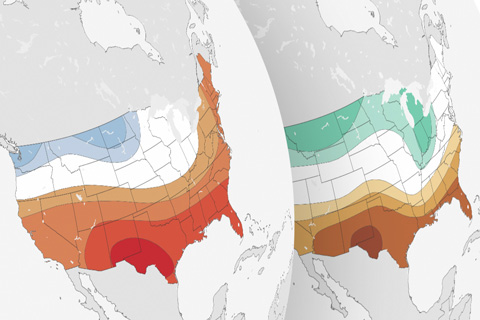
The elevated odds for a warm winter extend to the East Coast and Appalachian Mountains states. In the North, a wetter than average winter is favored from the Ohio Valley northwestward along the U.S.-Canada border.