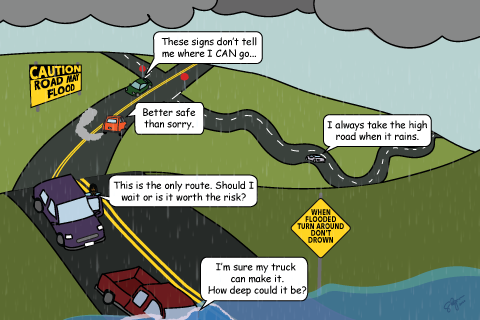
The reasons why some people drive or don't drive into flooded roads can be complex.
The reasons why some people drive or don't drive into flooded roads can be complex.
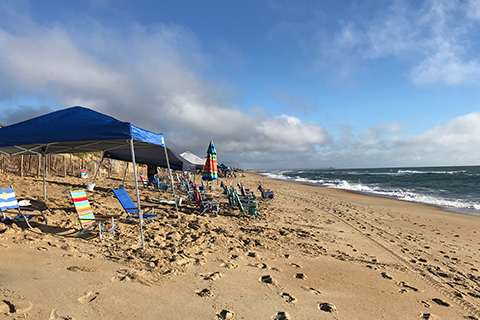
Our guest blogger, Laura Ciasto, goes over why you need to be attentive to UV radiation if you want to safely enjoy the great outdoors.
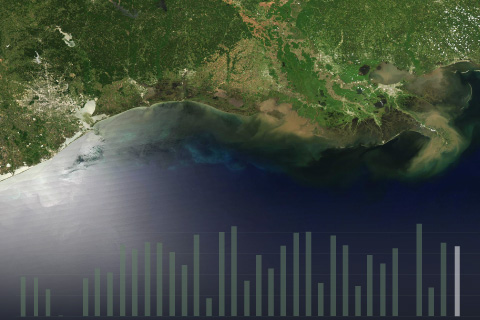
NOAA scientists forecast that the Gulf dead zone would measure roughly 6,700 square miles—bigger than the long-term average recorded since 1985, but lower than the record-high extent observed in 2017.
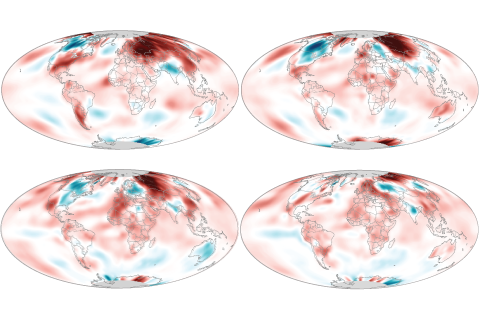
June 2020 broke the streak of each month being warmest or second warmest on record by being only the third-warmest June on record.
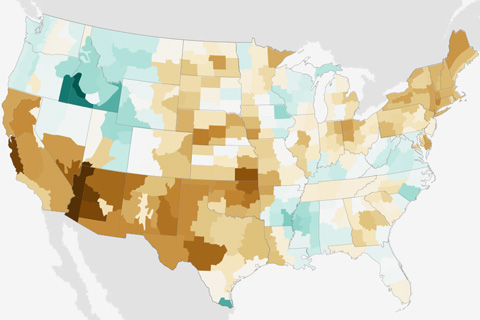
The latest monthly summary from the National Centers for Environmental Information also reported that the year-to-date temperature was the eighth warmest in the 126-year record.
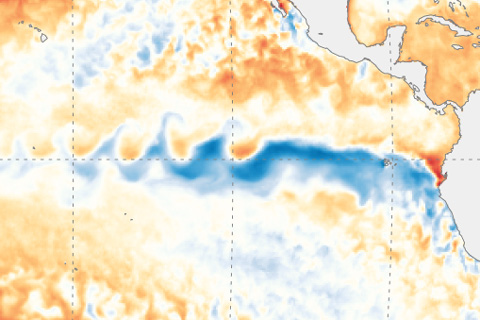
The chance of La Niña developing by the fall and lasting through winter is 50-55%, and NOAA has issued a La Niña Watch.
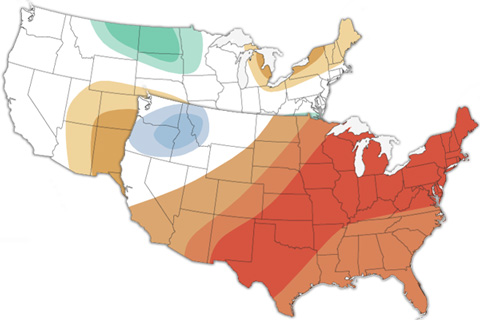
July temperatures are favored to be in the warmest third of the recent climate record for much of the U.S. In the drought-stricken Southwest, the odds of well below average precipitation are higher than the odds of an average or wetter-than-average July.
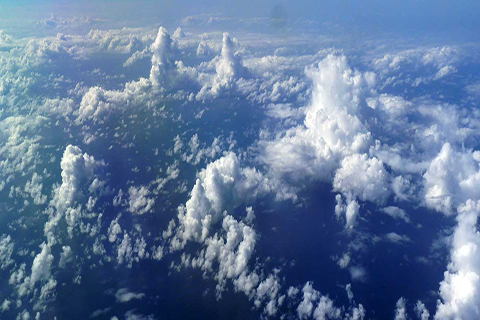
Transcript available! On Wednesday, February 5, climate expert Dr. Gijs de Boer answered questions in a Climate.gov tweet chat about the ATOMIC cloud-science mission in Barbados. Read the transcript.
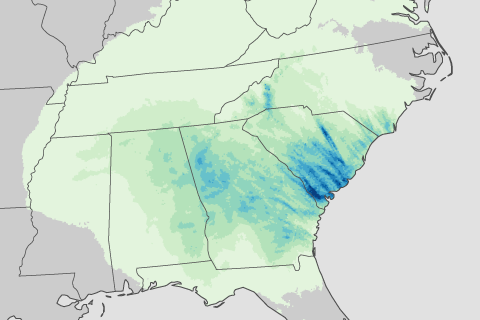
In a study of rainfall over land, these tamed monsters dumped more rain than any other category of Atlantic tropical cyclones, including hurricanes.
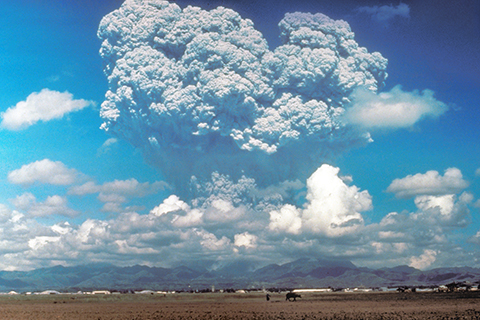
Not a Mad Lib! Our blogger lays out some of the evidence for and against the notion that volcanic eruptions can trigger El Niño.