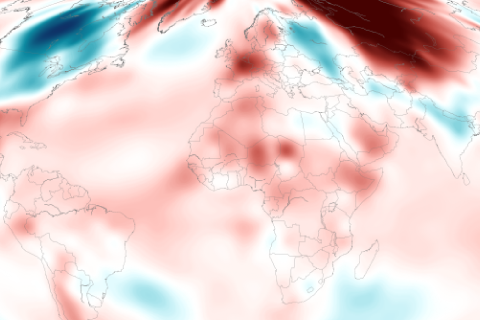
Like the months before it, April 2020 was also the second warmest on record for the globe, which means 2020 is almost certain to be among the four warmest years on record.
Like the months before it, April 2020 was also the second warmest on record for the globe, which means 2020 is almost certain to be among the four warmest years on record.
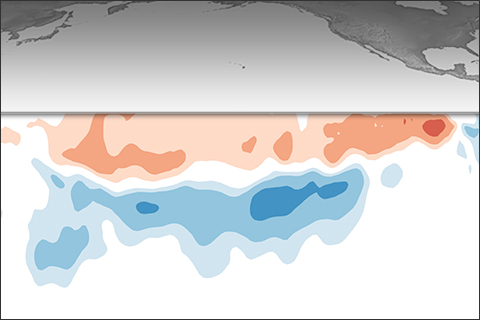
Pack your thermos of coffee and pop a tape in the cassette deck... we're going to tour some roadside attractions, ENSO-style.
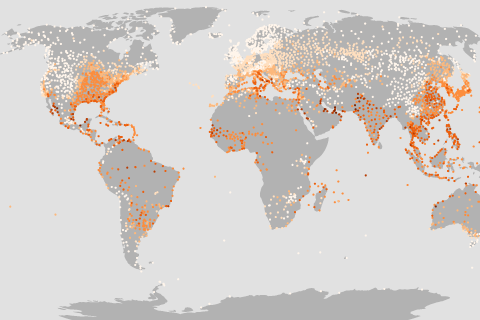
Climate models project dangerous combinations of heat and humidity by the end of the 21st century. New research says these extremes are already happening.
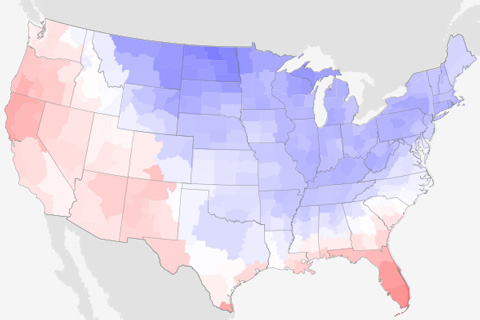
But the month capped off the 10th-warmest January-April period on record.
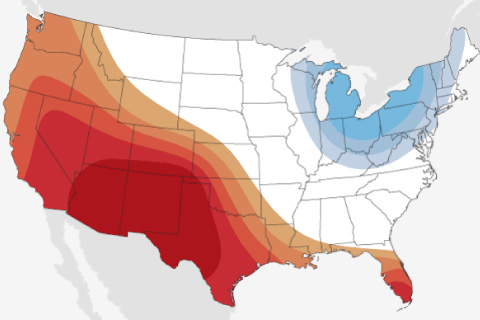
The May 2020 temperature and precipitation outlook issued by NOAA's Climate Prediction Center forecasts a warmer-than-average May for the western United States and Gulf Coast and a drier-than-average month for the Great Lakes.
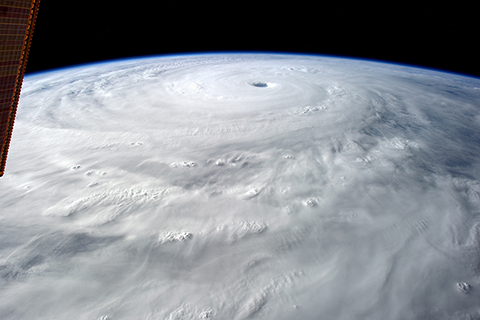
Burning fossil fuels releases both greenhouse gases and tiny particles called aerosols, which have a push-pull impact on the strength of hurricanes.

Katherine Allen studies oceans and climate, past and present. Her knowledge of plankton and her scuba diving skills have allowed her to explore fascinating and beautiful locations from New Zealand to Maine.
You can thank the polar vortex.
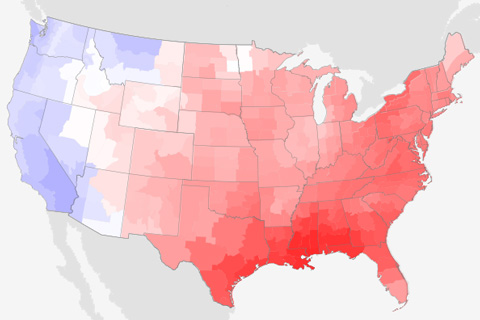
Most of the United States was warmer than average. Wet conditions in March eased drought concerns in Southern California, but extreme dryness around the Gulf Coast raised the chances of drought there.
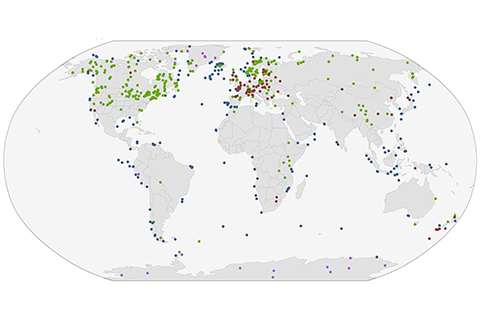
The most comprehensive database ever assembled of paleoclimate proxies that tell scientists about temperatures since the last ice age ended around 12,000 years ago has been released to the public.