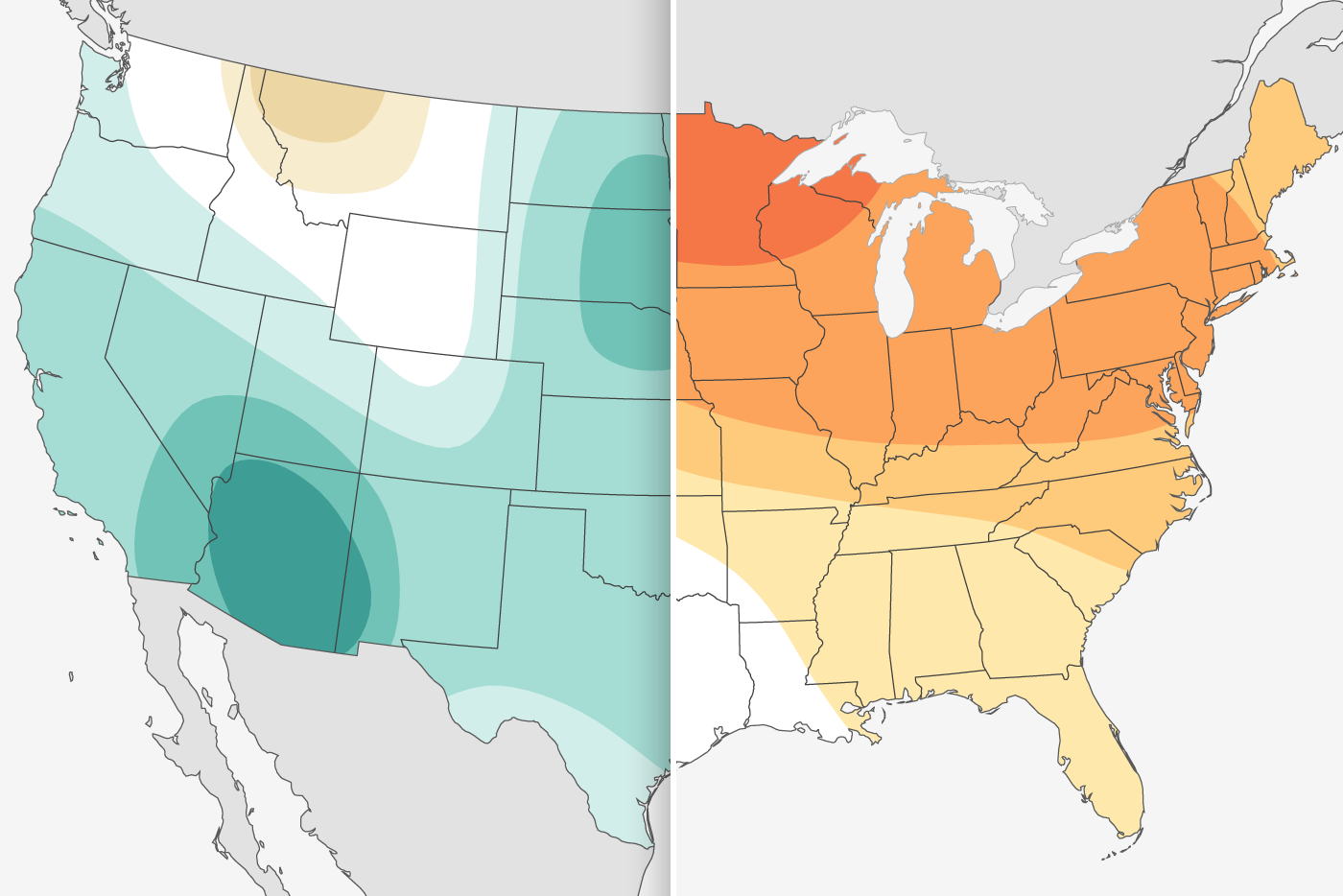
Above-average temperatures favored for much of the country, including Alaska and Hawaii. More areas are leaning toward a wetter November than a dry one.
Above-average temperatures favored for much of the country, including Alaska and Hawaii. More areas are leaning toward a wetter November than a dry one.
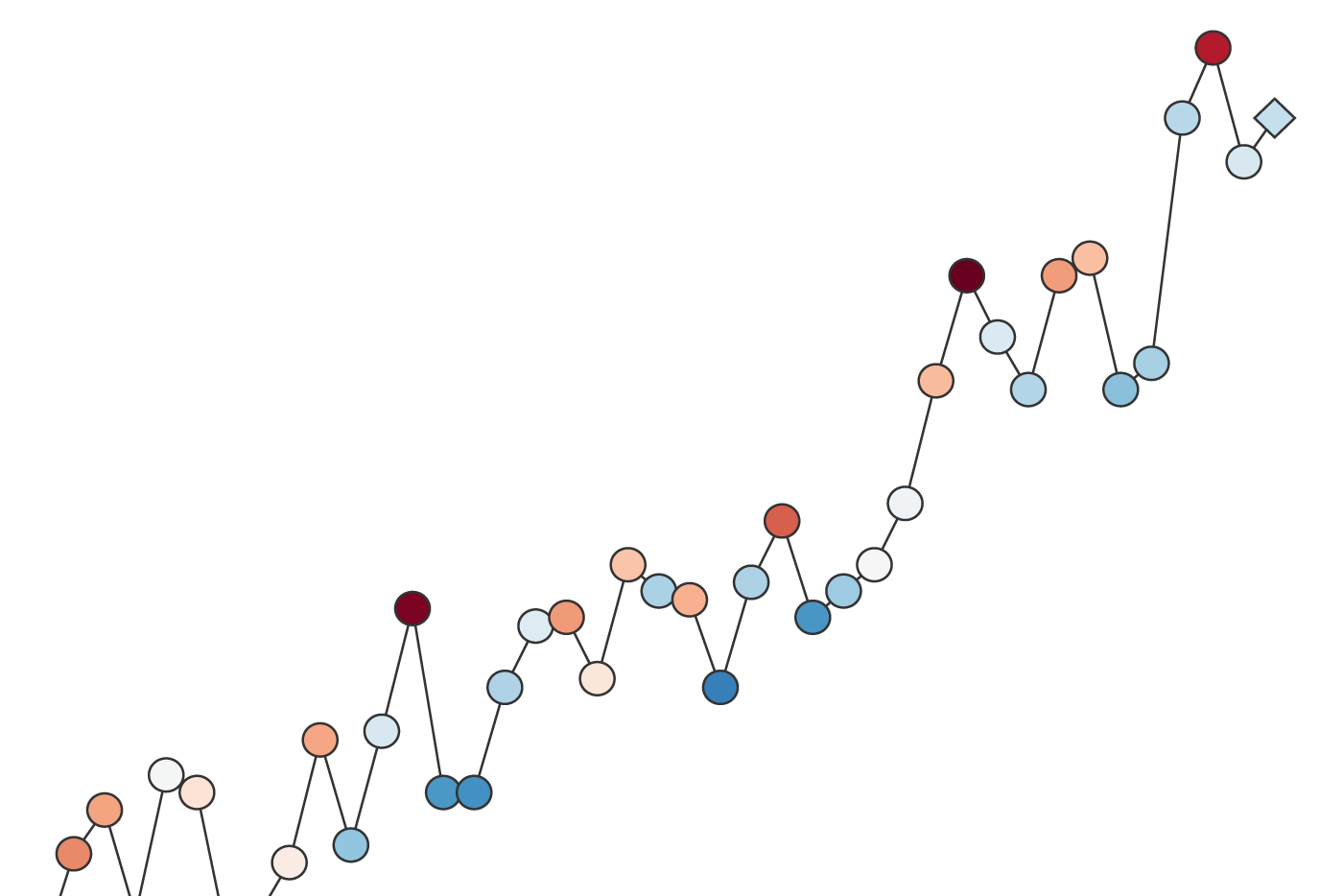
Whether a new global temperature record is set this year or next, El Niño will only be the cherry on top of the global warming sundae
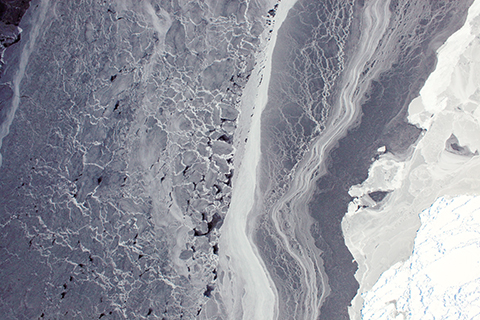
Antarctic sea ice extent hit a record low extent in February, but thanks to large natural variability from year to year, experts say there is still no long-term trend.
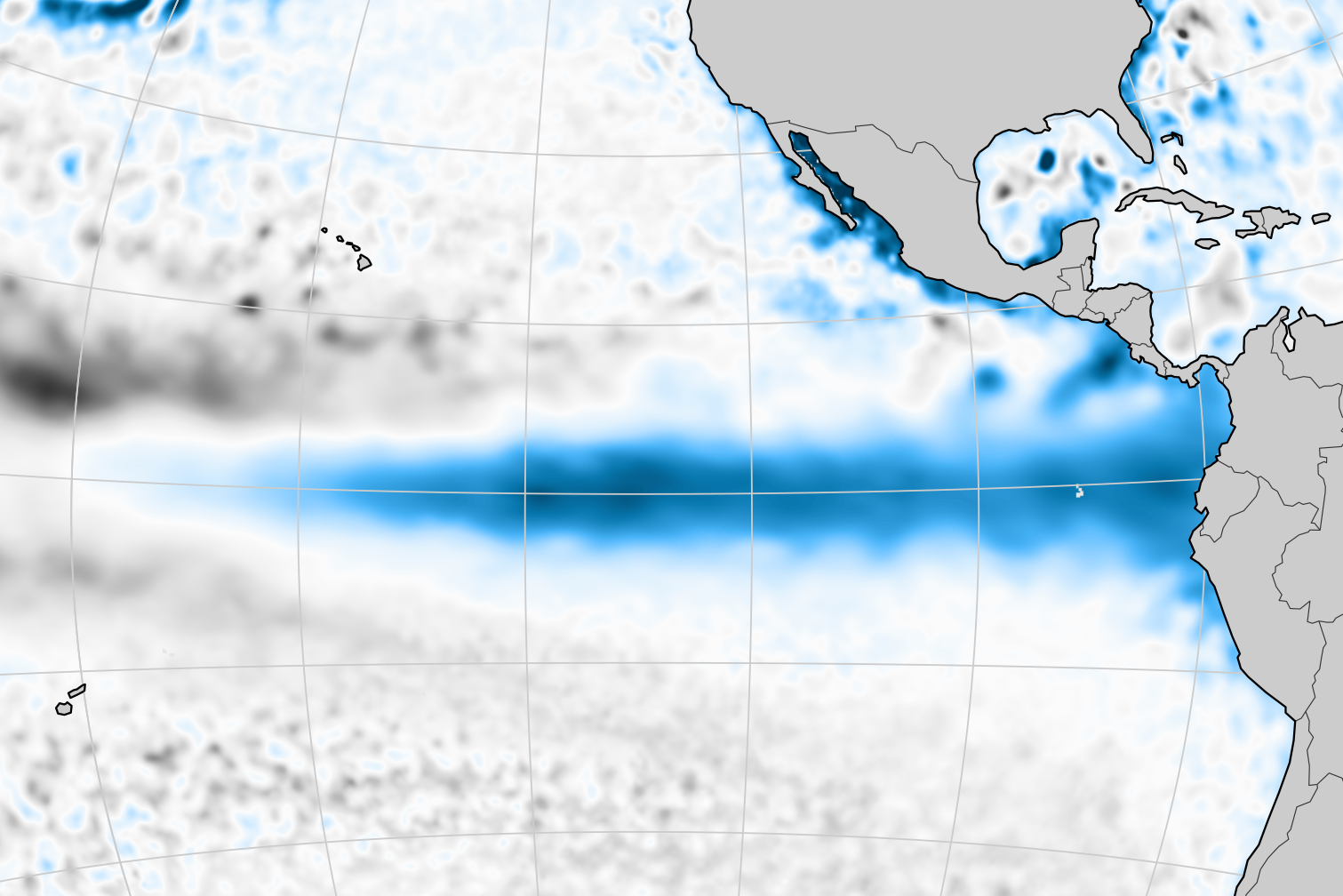
Watch an oceanic Kelvin wave raise sea levels as it crosses the Pacific in spring 2026 and spreads along the coasts of North and South America in late summer and fall.
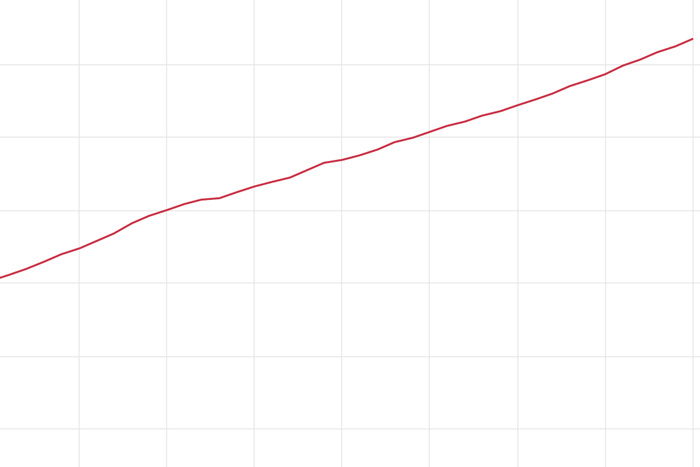
As of 2025, the warming effect of long-lived greenhouse gases in Earth's atmosphere had increased by 56% compared to 1990. Relative to pre-industrial times, today's atmosphere absorbs 3.59 extra Watts of heat energy per square meter.
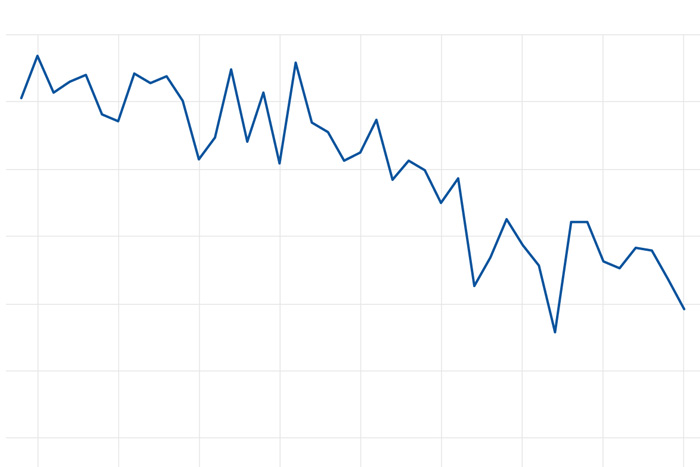
The amount of sea ice that survives the Arctic summer has declined by 12 percent per decade since the start of the satellite record in 1979.
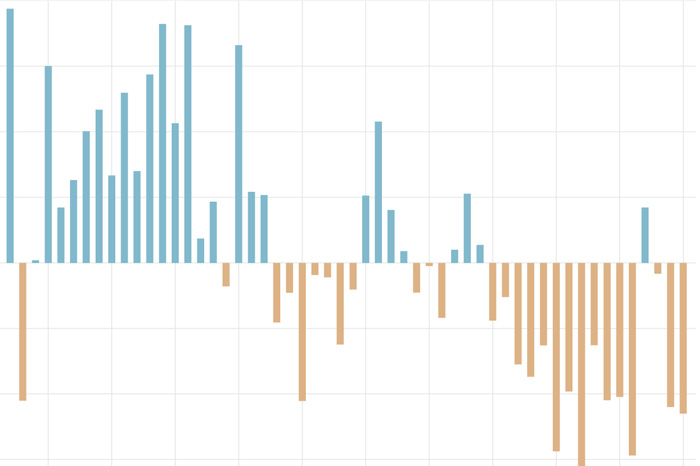
For the ninth year in a row, late spring snow cover was below average in 2026.
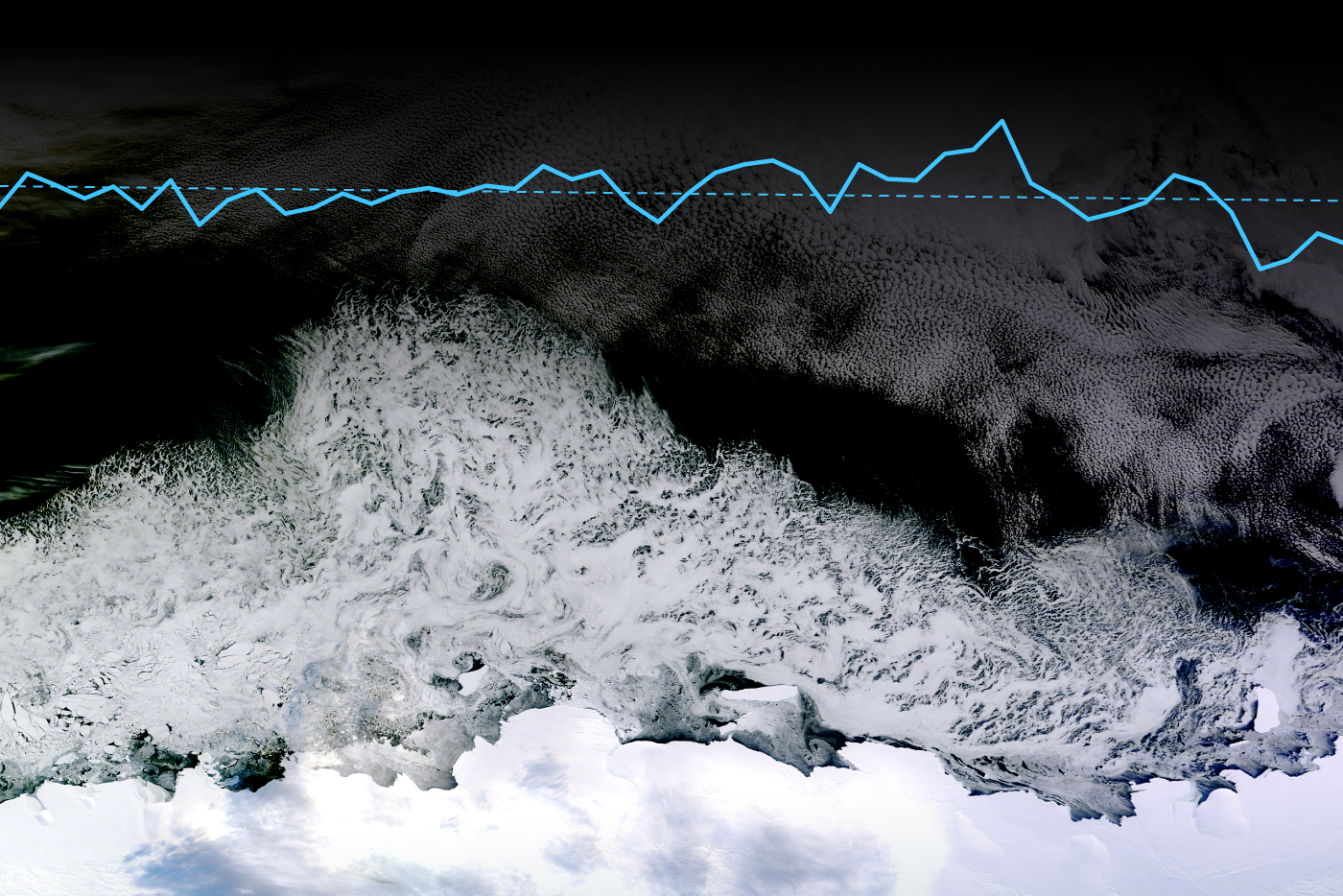
Antarctic sea ice probably reached its winter maximum extent on September 14, 2026. At 17.59 million square kilometers (6.79 million square miles), the 2026 annual maximum is third lowest in the satellite record.
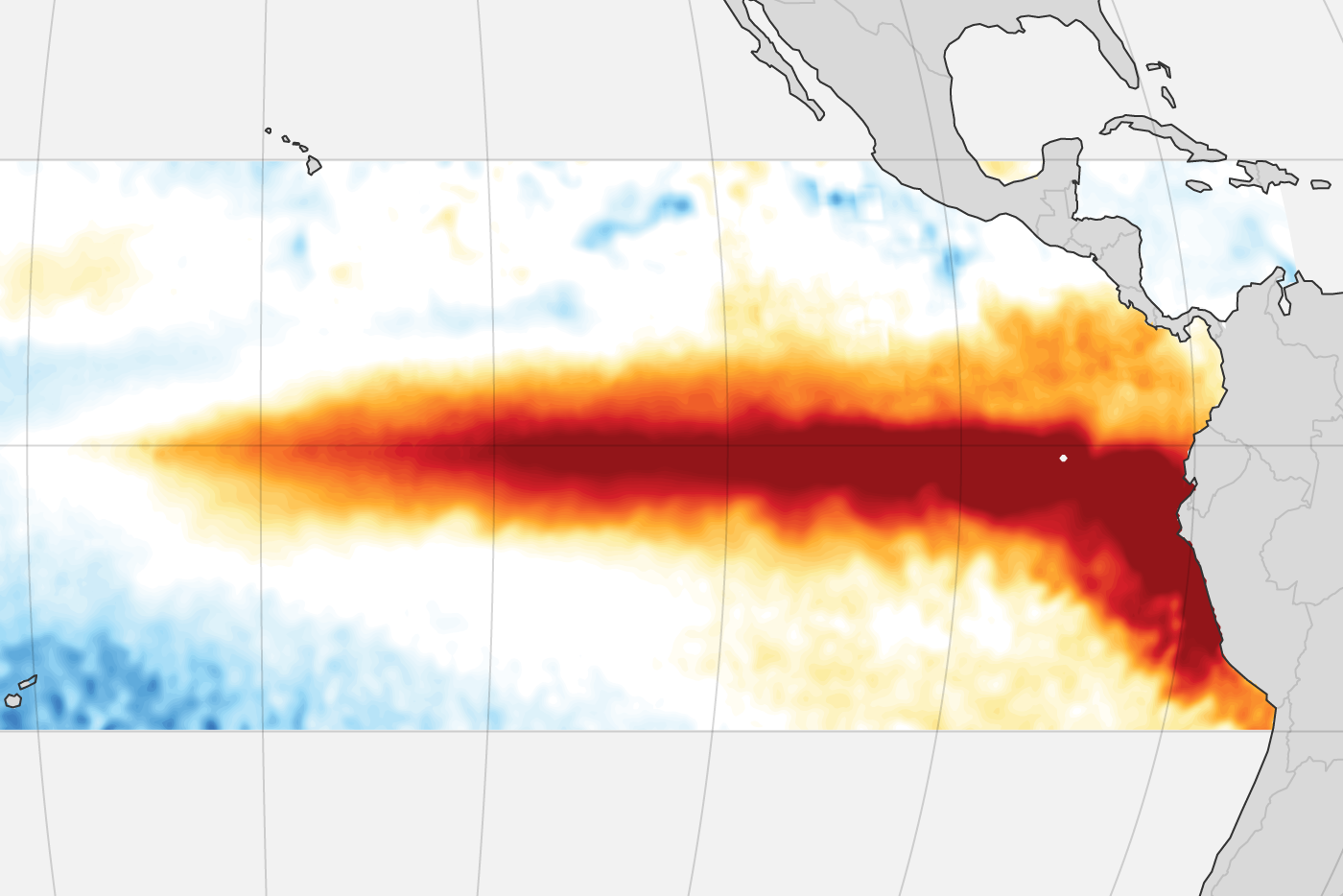
For many U.S. coastal areas, this El Niño may bring high-tide flooding that provides a glimpse of the routine impacts from sea level rise in coming decades.
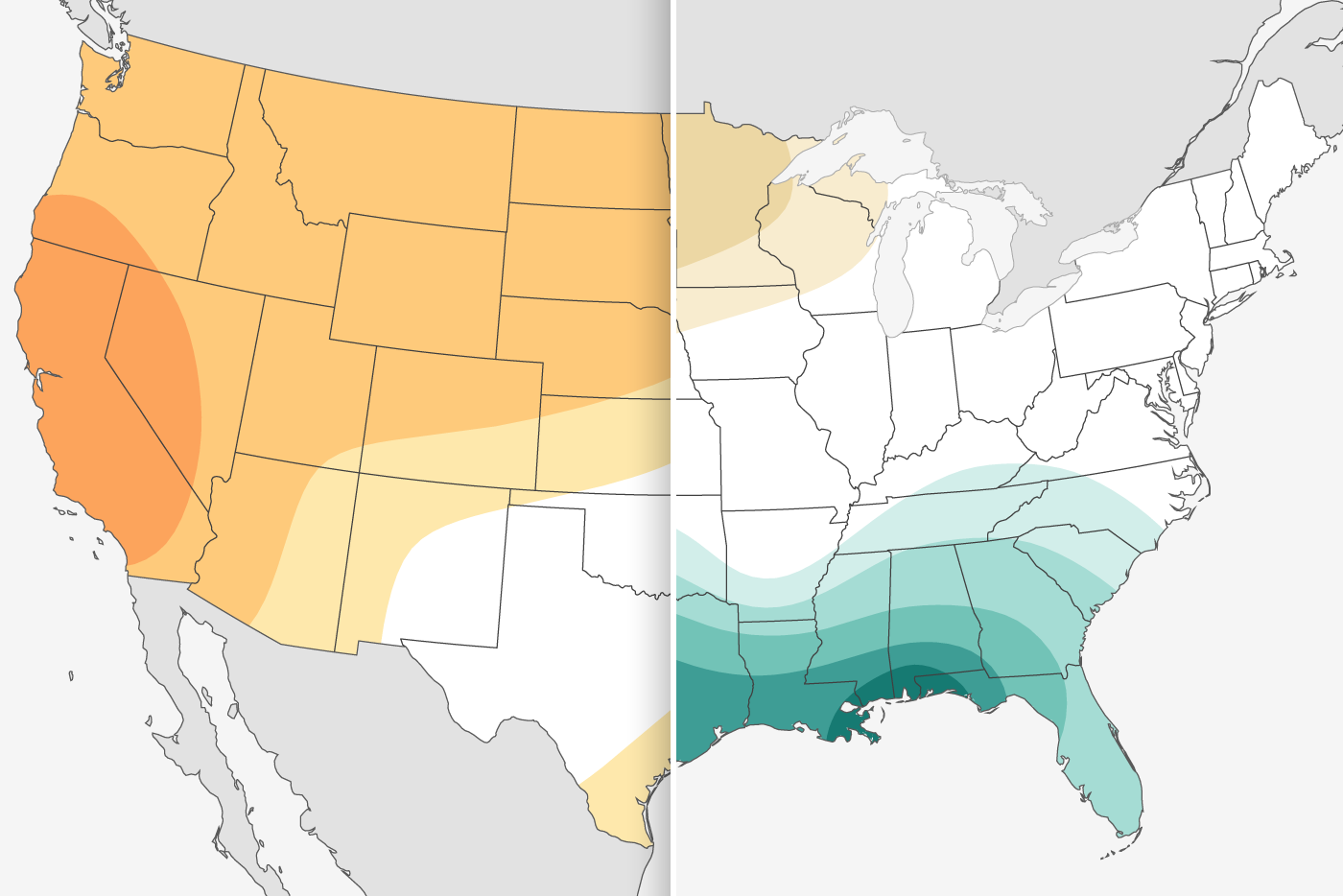
Mild and dry favored for the West; warm and wet for the Gulf and the Southeast.