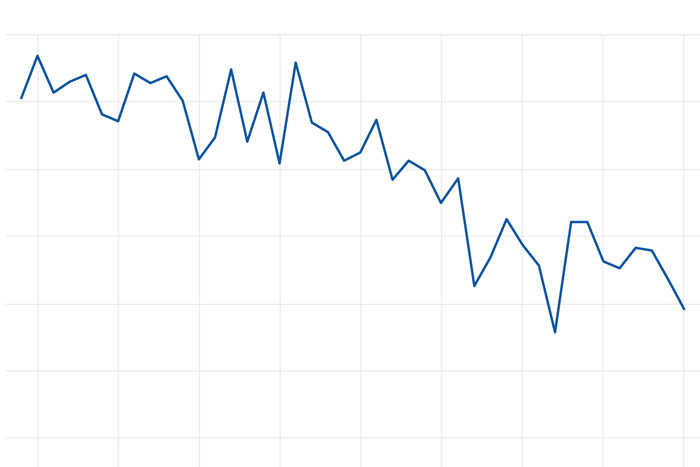
The amount of sea ice that survives the Arctic summer has declined by 12 percent per decade since the start of the satellite record in 1979.
The amount of sea ice that survives the Arctic summer has declined by 12 percent per decade since the start of the satellite record in 1979.
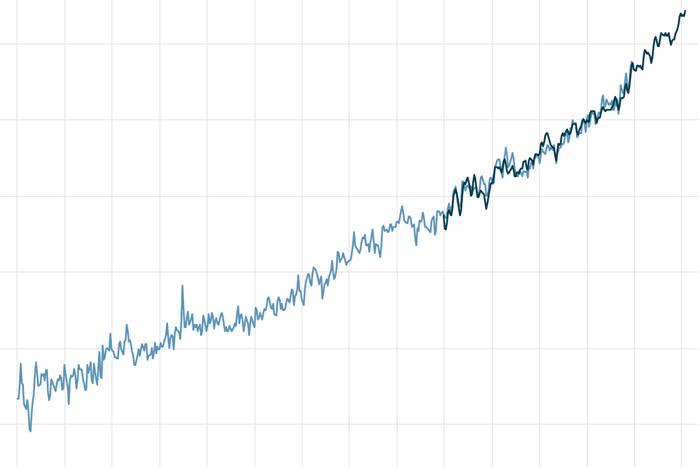
Global average sea level has risen at least 8-9 inches since 1880, and the rate is accelerating thanks to glacier and ice sheet melt.
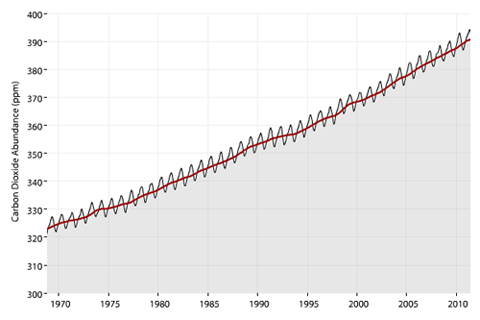
In the past 60 years, carbon dioxide in the atmosphere has increased 100-200 times faster than it did during the end of the last ice age.
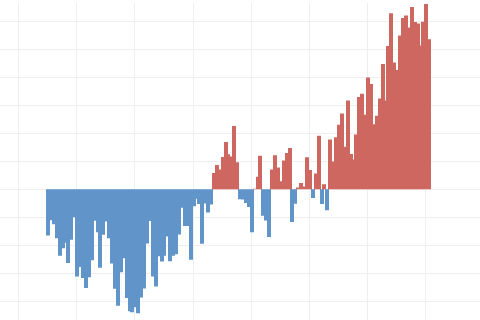
Earth's surface temperature has risen about 2 degrees Fahrenheit since the start of the NOAA record in 1850. It may seem like a small change, but it's a tremendous increase in stored heat.

January 15, 2009
Arctic sea ice likely reached its annual minimum extent on September 12, 2026. At 4.60 million square kilometers (1.78 million square miles), the 2026 minimum extent is statistically tied for tenth lowest in the satellite record.
On July 19, Lake Powell was just 22% full—the lowest it's been on that date since the lake was first filled to capacity in the early 1980s. This graph of Lake Powell water levels shows that while there is a natural peak most summers followed by a low in the spring, there has been an overall downward trend since around 2000.
International report confirms record-high greenhouse gases, global sea level, and ocean heat in 2025.
At least once a winter, a storm big enough to dominate the national news gets people wondering how to make extreme snowstorms make sense in the context of global warming.