On July 19, Lake Powell was just 22% full—the lowest it's been on that date since the lake was first filled to capacity in the early 1980s. This graph of Lake Powell water levels shows that while there is a natural peak most summers followed by a low in the spring, there has been an overall downward trend since around 2000.
Extreme Events
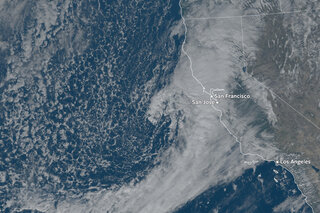
Atmospheric rivers soak California in early January 2026
January 15, 2026
At least once a winter, a storm big enough to dominate the national news gets people wondering how to make extreme snowstorms make sense in the context of global warming.
From football games to concerts, planning for outdoor events increasingly demands a strategy for reducing heat-related risks.
NOAA and NOAA-funded researchers are looking at extreme rain events from many different angles to identify new sources of predictability. The goal is to one day be able to predict such events weeks or months in advance.
The U.S. tornado season to date has been very active. Our guest blogger explains how the lingering influence of La Niña might have played a role.
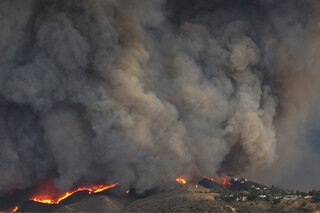
Wildfire smoke can cause air pollution in locations thousands of miles downwind. Health experts need to know what's in the smoke people are breathing—especially smoke from fires that burn into urban areas and ignite synthetic materials.
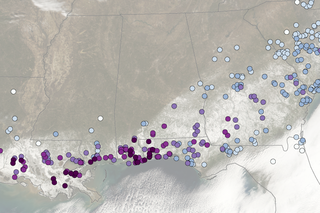
Historic January 2025 snowstorm in the Southern U.S.
January 29, 2025