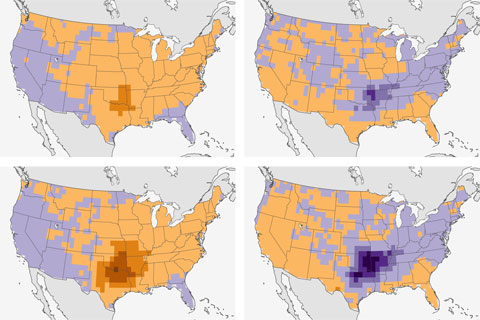
Scienitsts find connection between El Niño and fewer spring tornadoes in the south-central United States.
Scienitsts find connection between El Niño and fewer spring tornadoes in the south-central United States.
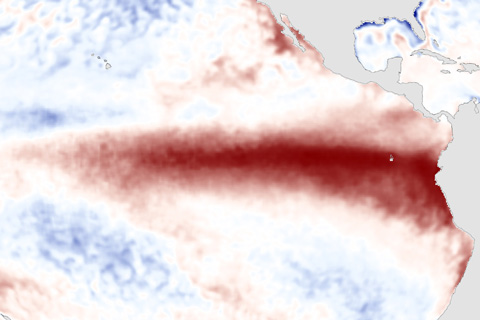
Everyone's asking if the arrival of El Niño guarantees that 2015 will set a new record for warmest global temperature. In his latest blog, Deke Arndt explains why it's possible--maybe even likely--but not guaranteed.
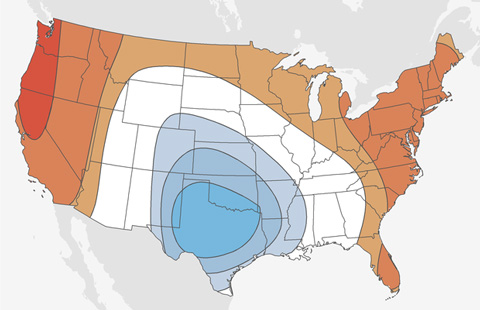
The monthly climate outlook for June favors more heat for Alaska and the West, more rain for Texas and the East.
Rainfall totals across parts of Texas and Oklahoma were several hundred percent above normal in May 2015, leading to record-breaking flood levels on many rivers.
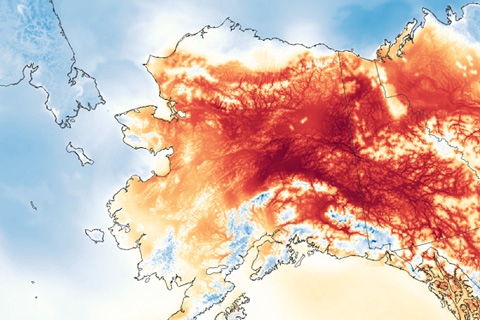
On the afternoon of May 23, Alaska set a new statewide record for the earliest day in the year with a temperature in the 90s.
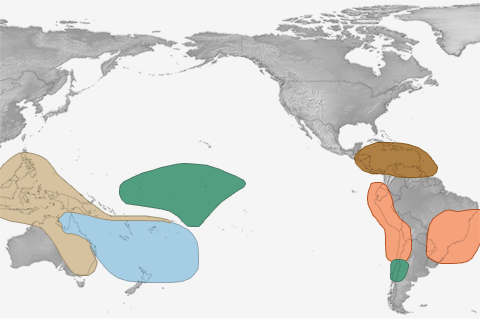
El Niño is the 800-pound gorilla for the winter climate in the U.S., but in summer, it's more like a 6-pound Chihuahua.
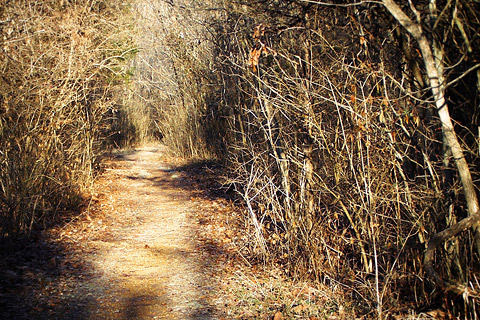
Community groups are working to establish a connected ring of conservation land around St. Louis, Missouri. They're also incorporating economic data with flood models to help them target areas that will also provide flood protection.
Deke Arndt, chief of the Monitoring Branch at the National Centers for Environmental Information, kicks off a new blog that will cover how climate records are collected and updated, how we know what we know about the climate, and how we can use climate information to make our communities more resilient.
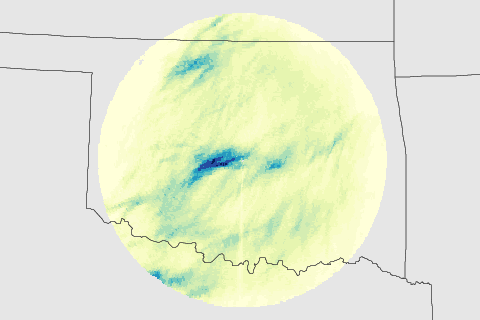
A record-setting day of rain in Oklahoma City caused widespread flooding in early May 2015. How rare was the event?
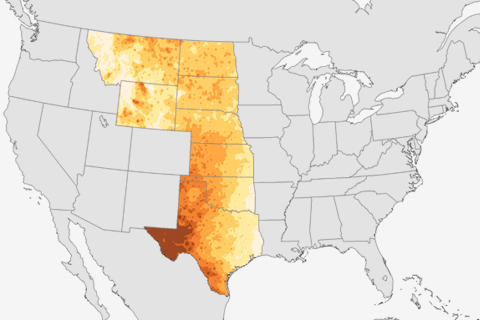
From soybeans and sunflowers in North Dakota to cotton and winter wheat in Texas, large stretches of croplands in the U.S. Great Plains rely exclusively on rain. Those croplands are likely to face longer dry spells by mid-century.