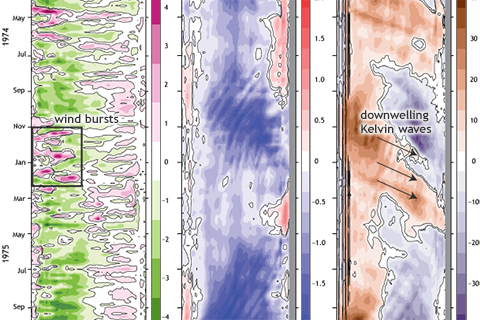
Guest blogger Mike McPhaden describes what it was like making El Niño forecasts in the mid-1970s, compared with making them today.
Guest blogger Mike McPhaden describes what it was like making El Niño forecasts in the mid-1970s, compared with making them today.
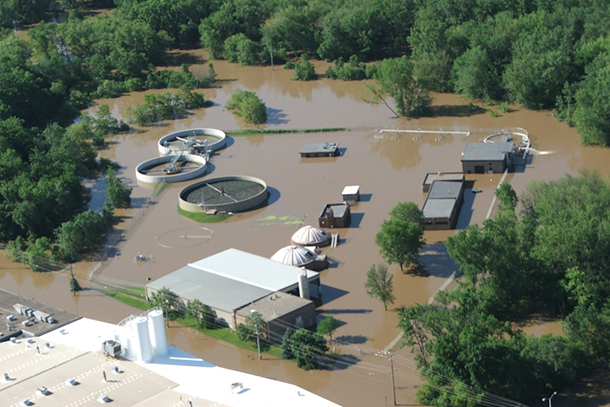
An extreme precipitation event in 2008 cost one Upper Midwest town more than a million dollars in infrastructure repairs. Now, other municipalities can simulate how a similar event might affect them.

A drought in the Southeast in 2011 gave cotton growers and consumers a preview of what could become a more common scenario for the main ingredient of our most comfortable clothes.
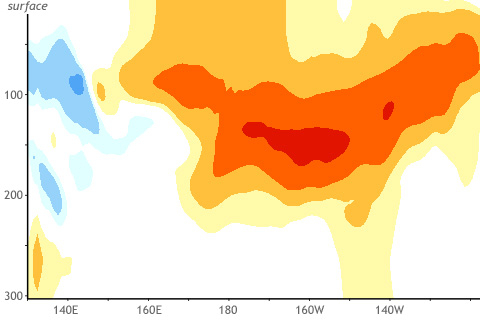
You're not the only one wondering if we will see El Niño grow or continue into this coming winter 2015. How useful are March winds and subsurface temperatures across the tropical Pacific Ocean in predicting winter El Niño or La Niña states?
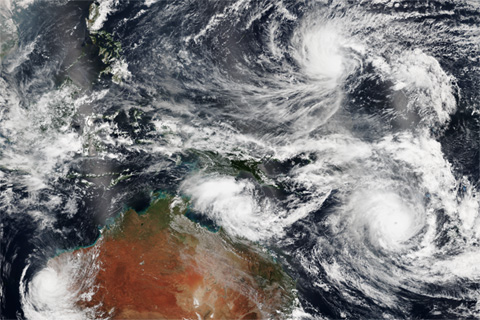
Uncommon atmospheric circumstances spawned a pair of tropical cyclones in the western Pacific—one on either side the equator, at nearly the same longitude, at nearly the same time. Why are twin cyclones more common during El Niño?
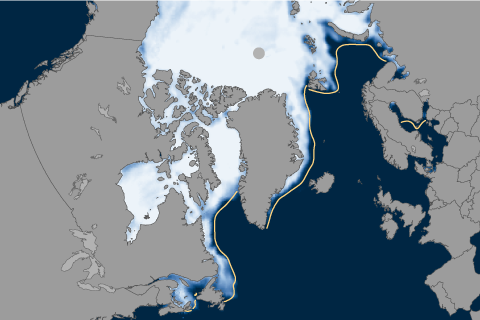
Arctic sea ice extent reached 5.61 million square miles on February 25, and then began to retreat. Unless a late growth spurt takes place, it will be the smallest winter maximum in the satellite record.
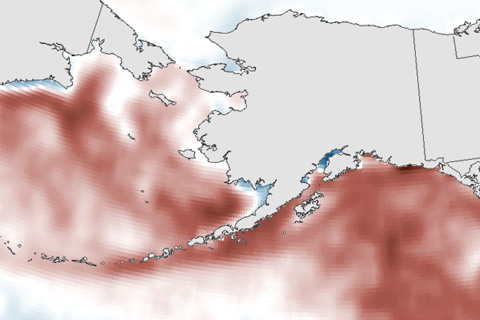
The extreme atmospheric pressure pattern that favored record-breaking snow totals across parts of the U.S. East left Alaskans asking, “Where’s winter?”
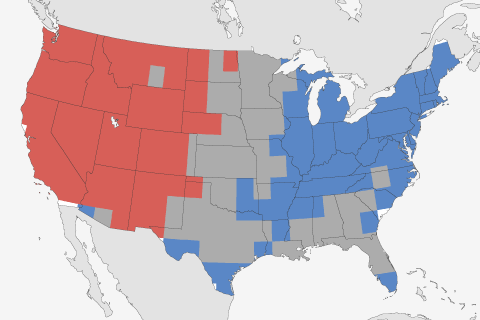
Mike Halpert from the Climate Prediction Center grades the winter forecast. Temperature outlooks fared quite well, but precipitation forecasts were not that great. The mediocre precipitation scores were partly because forecasts were counting on tropical atmospheric responses to El Niño, which didn’t emerge until late in the season.
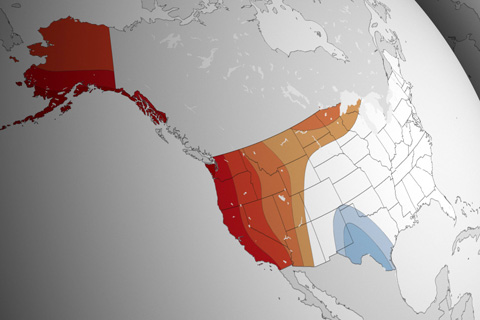
Moderate flooding in the coastal Northeast and temperatures in the upper third of the historical record for the West are key predictions from NOAA's 2015 Spring Climate Outlook.
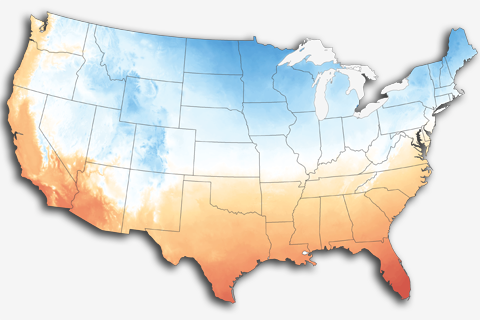
The United States has plenty of warming wiggle room before it gets too warm to snow, and a wetter atmosphere may boost snow totals for some storms.