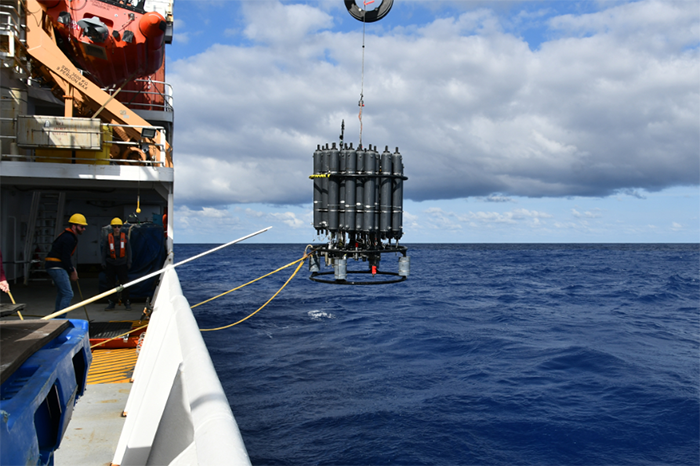
Funds from the Bipartisan Infrastructure Law will allow NOAA to expand a global network of sensors to track carbon dioxide in the ocean. They will also serve to improve the understanding and forecasting of global climatic and environmental changes.
Funds from the Bipartisan Infrastructure Law will allow NOAA to expand a global network of sensors to track carbon dioxide in the ocean. They will also serve to improve the understanding and forecasting of global climatic and environmental changes.
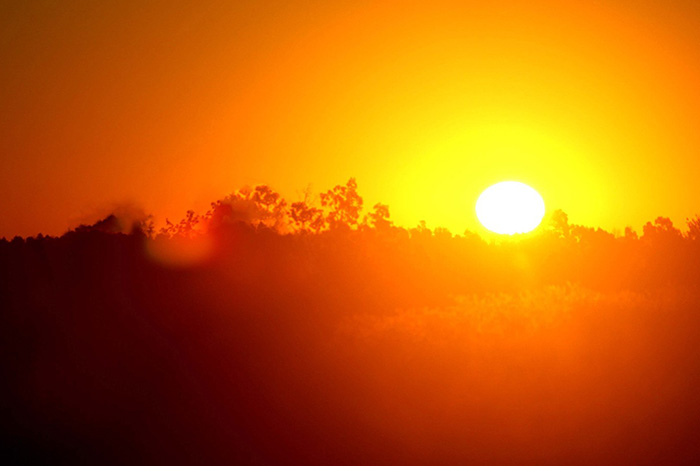
The Department of Commerce and NOAA have announced $4.55 million in funding for two virtual centers of excellence to support community heat monitoring and resilience. One center will be based out of Durham, North Carolina. The other will be based out of Los Angeles.
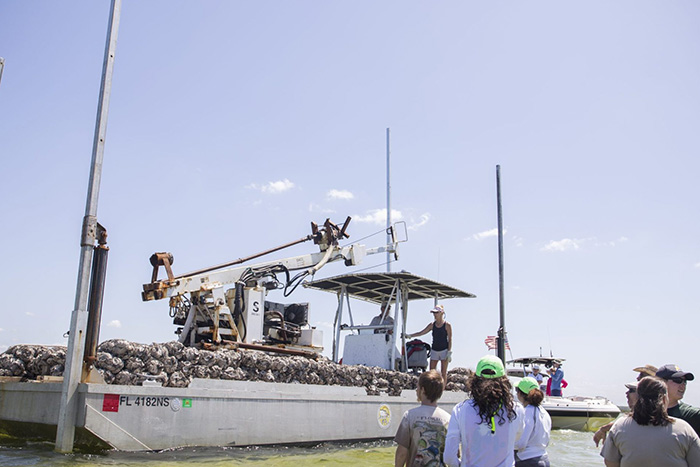
The Department of Commerce and NOAA just announced $60 million in funding to help train and place people in jobs that advance a climate-ready workforce for coastal and Great Lakes states, Tribes and Territories.
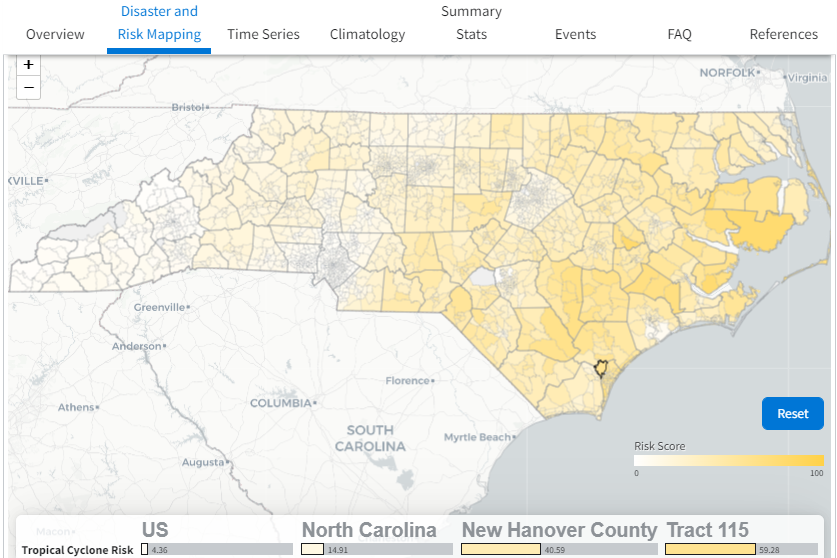
The NCEI Billion-Dollar Disaster and Risk Mapping tools now include U.S. Census tract data, expanding on FEMA’s National Risk Index to provide an integrated view of U.S. hazard risk, exposure, and…

A study published as an early online release on Global Biogeochemical Cycles shows the value of calibrated biogeochemical floats for providing data measurements of surface ocean partial pressure of …
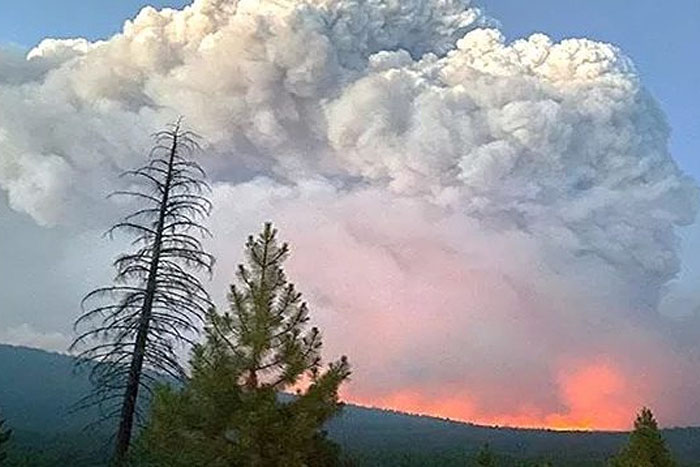
Clouds produced by some wildfires can send black carbon high into the atmosphere, where it can linger for months. Black carbon particles with thicker coatings of other materials absorb more light, potentially doubling their warming effect.
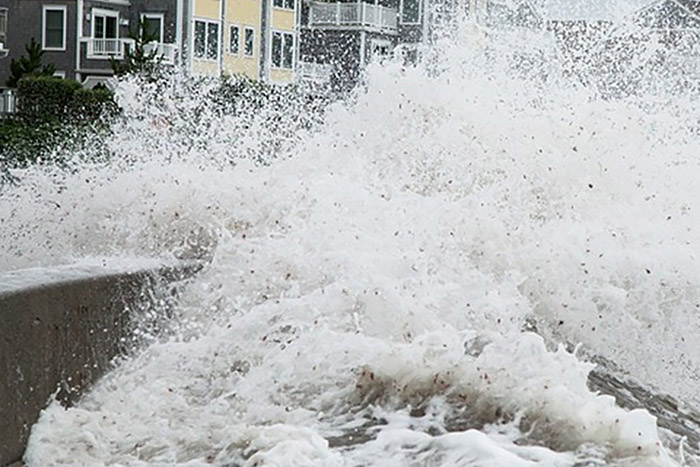
A new study will investigate the connections between North Atlantic sea surface temperature variability and high-impact climate events in the Eastern and Central United States during summer.
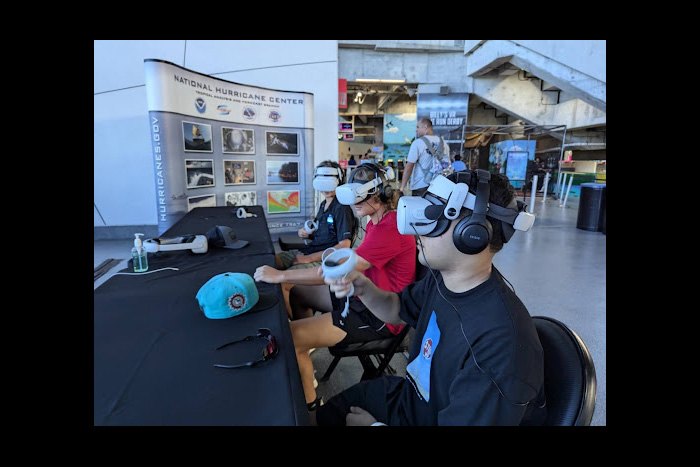
A new virtual reality simulation will use the idea that “seeing is believing” to show people why coastal evacuation orders are so important during storms.
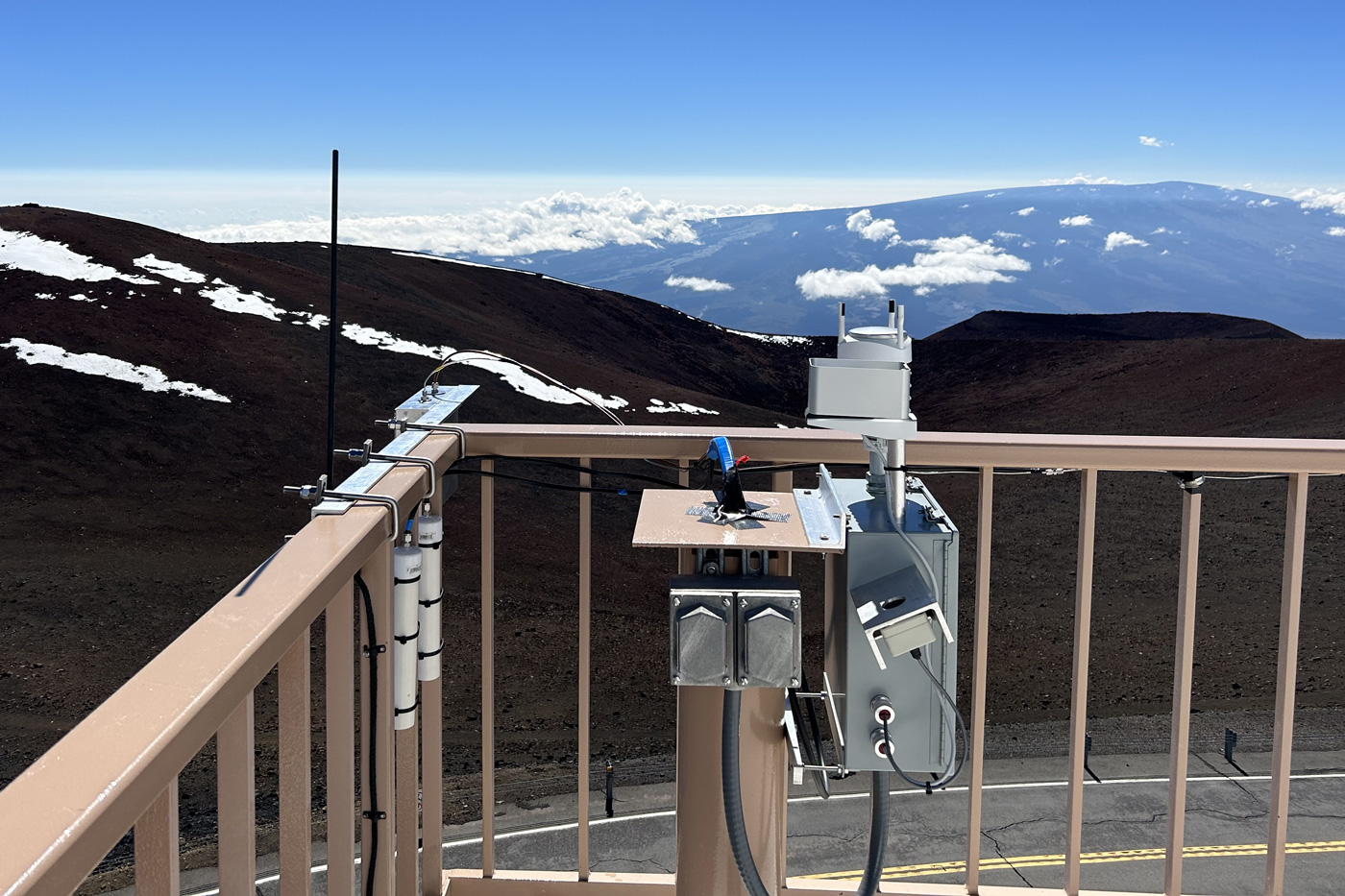
Annual increase in Keeling Curve peak is one of the largest on record.