
Research partially funded by CPO’s MAPP program has been published in the June issue of the Bulletin of the American Meteorological Society. The study: “CMIP5 Climate Model Analysis: Climate ...
Research partially funded by CPO’s MAPP program has been published in the June issue of the Bulletin of the American Meteorological Society. The study: “CMIP5 Climate Model Analysis: Climate ...
Predicting periods of relatively higher flood risk would allow officials to prepare and deploy resources more in advance.
A new paper in the Journal of Geophysical Research: Oceans explores the ability of 2-dimensional and 3-dimensional storm surge models to simulate current, sediment transport, and the effects of ...
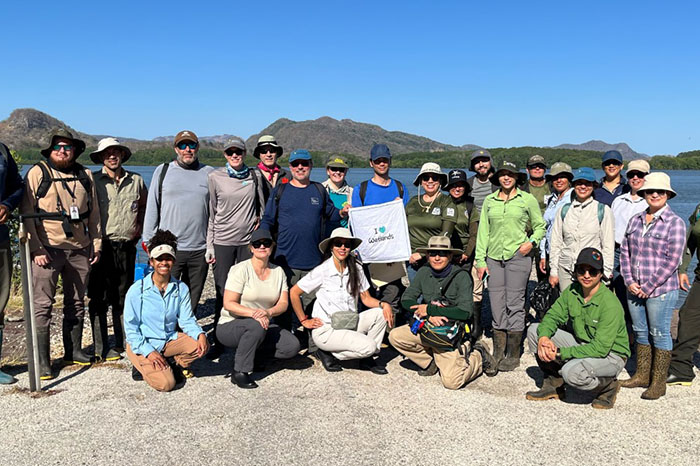
The NOAA Blue Carbon Inventory (BCI) Project recently conducted a training workshop designed to advance the integration of coastal blue carbon in Costa Rica’s national greenhouse gas inventory.
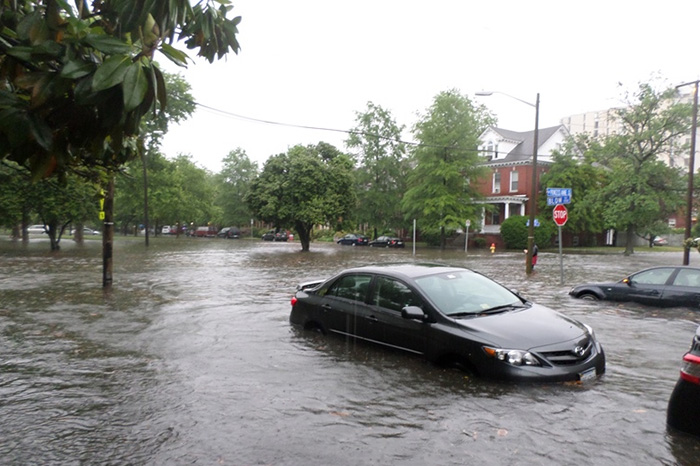
The United States is expected to experience as much sea level rise by the year 2050 as it witnessed in the previous hundred years. The report projects sea levels along the coastline will rise an additional 10-12 inches in the next 30 years, with specific amounts varying regionally, mainly due to land height changes.
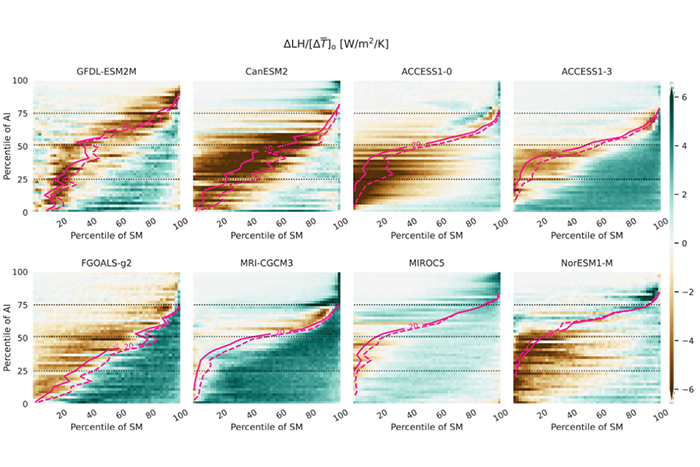
Predictions of temperature, precipitation and other changes in a warming world rely largely on model simulations that often render diverging results when presented in map view. By showing data in a behavioral phase space, patterns become apparent.
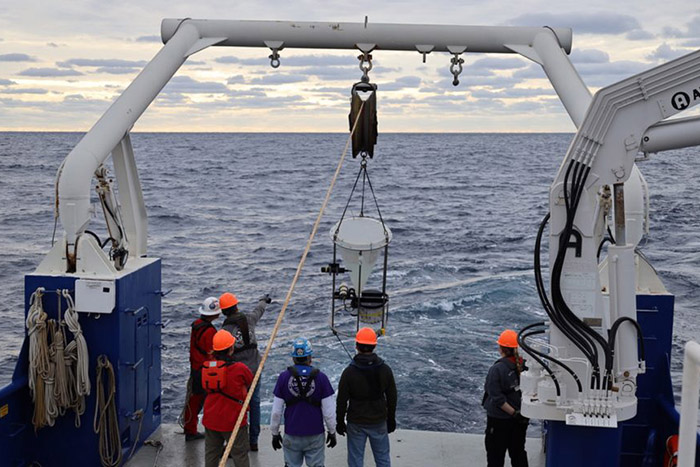
A NOAA-USGS team of scientists collected biological debris from seafloor sediments in the Gulf of Mexico. They spent months examining the microscopic shells and environmental DNA to better understand the ocean's role in removing atmospheric carbon.
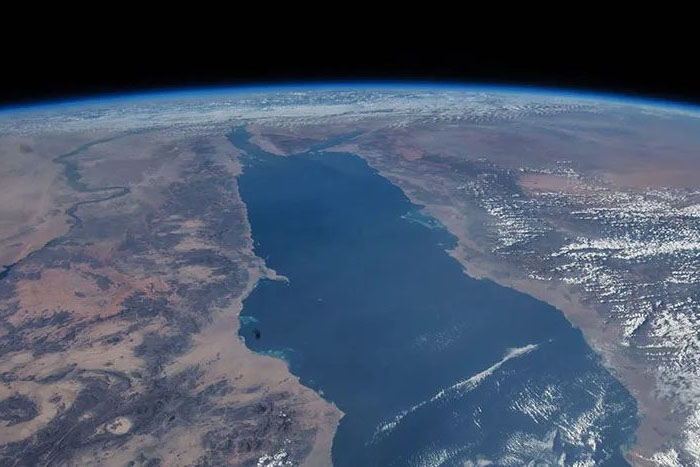
A new study finds that combining data from both the ocean and atmosphere can lead to more accurate forecasts, even in complex environments like the Red Sea.
A study published as an early online version on Weather and Forecasting concluded that combining standard ocean observations (satellite, ship-based, buoys, drifters) with underwater glider data ...
A study published as an early online version on Weather and Forecasting concluded that combining standard ocean observations (satellite, ship-based, buoys, drifters) with underwater glider data ...