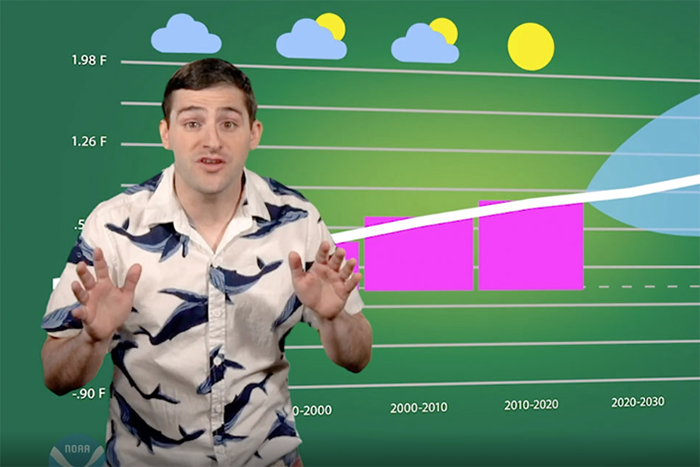
NOAA Climate.gov's Tom Di Liberto was nominated for a regional (Chesapeake Bay region) Emmy award in the host/moderator/correspondent category at the upcoming Capital Emmy awards
NOAA Climate.gov's Tom Di Liberto was nominated for a regional (Chesapeake Bay region) Emmy award in the host/moderator/correspondent category at the upcoming Capital Emmy awards

The findings have important implications for assumptions about what might drive organizational learning and change among water managers for climate adaptation in the future.
Built by members of the team behind NOAA’s Climate.gov, the new nonprofit resource is supported in part by more than 2,500 small donations from people who want reliable climate science information to…
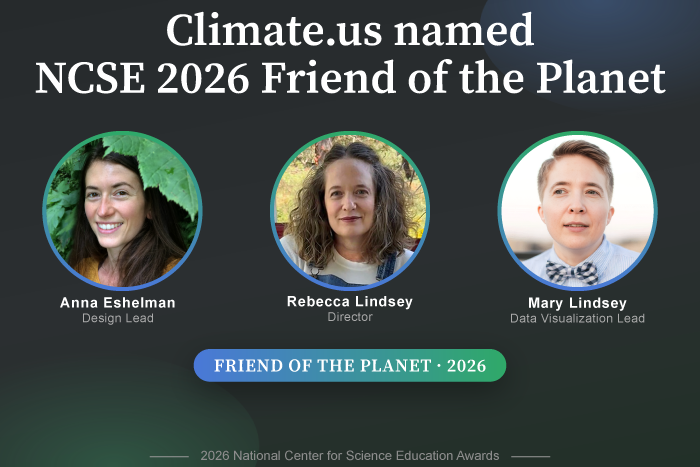
Climate.us is among the winners of the National Center for Science Education (NCSE) Friend of the Planet award for 2026. NCSE granted the award in recognition that Climate.us, led by Rebecca Lindsey, is preserving and extending important climate content.
A paper by Rudnick et al. published in Progress in Oceanography includes a climatology of the California Current System, a current moving south along the U.S. West Coast. The authors used data ...
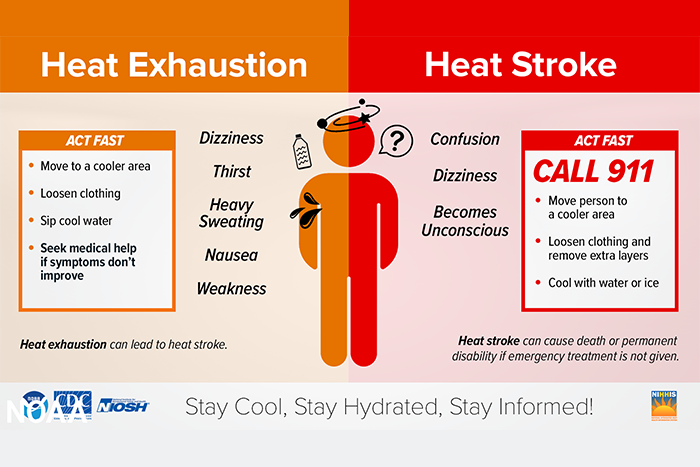
Climate change presents growing threats to human health, but many health professionals need training on how best to engage with patients on climate-related issues. A new program aims to provide training.
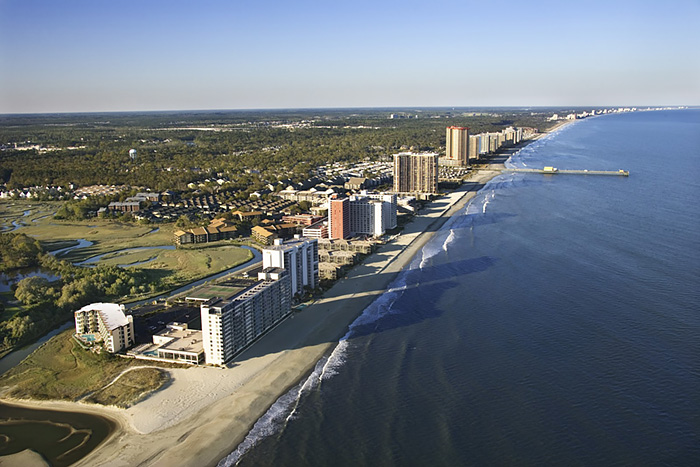
Home to 13 of the 20 largest metropolitan areas in the United States, our nation’s coasts face hurricanes, sea level rise, coastal erosion, natural resource depletion and more. A new white paper lists ways to better understand these complex, vulnerable ecosystems.

New research compares model simulations to satellite data to show that while a frequently used model captures some aspects of real cloud behavior, it struggles to accurately represent certain types of clouds, like those found closer to the Earth’s surface.
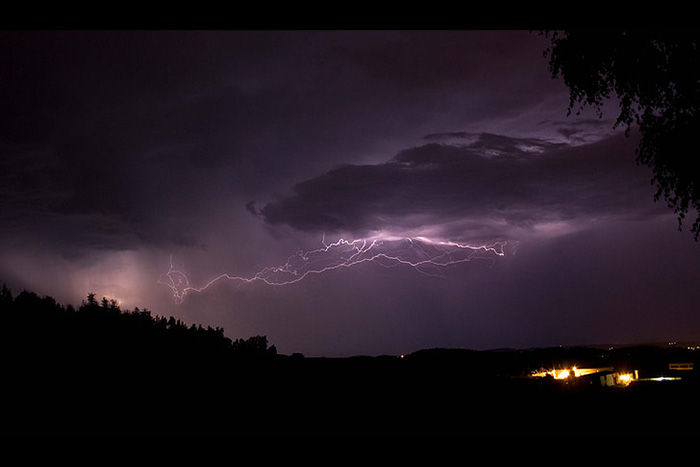
Even though stormy days are rare globally, they have an outsized effect on Earth’s radiation budget. Precipitation days, both drizzle and wet days, contribute to about 80 percent of global longwave and shortwave cloud radiative effects.
Research partially funded by CPO’s MAPP program has been published in the June issue of the Bulletin of the American Meteorological Society. The study: “CMIP5 Climate Model Analysis: Climate ...