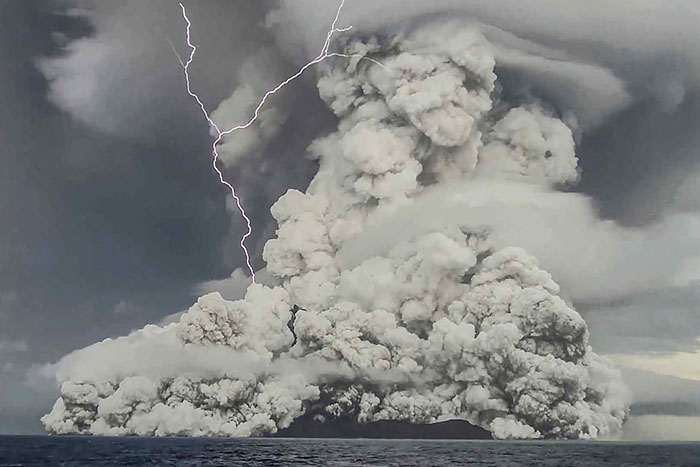
Besides producing a tsunami, the Tonga eruption on January 15, 2022 gave scientists a real-world experiment, sending sulfur dioxide into Earth’s stratosphere. Now scientists have a chance to see what happens next, and to improve atmospheric models.
Besides producing a tsunami, the Tonga eruption on January 15, 2022 gave scientists a real-world experiment, sending sulfur dioxide into Earth’s stratosphere. Now scientists have a chance to see what happens next, and to improve atmospheric models.

Key Findings Forecasts of temperature and salinity in Chesapeake Bay are skillful beyond the few days of current forecasts Taking the mean of multiple forecasts driven by different atmospheric…
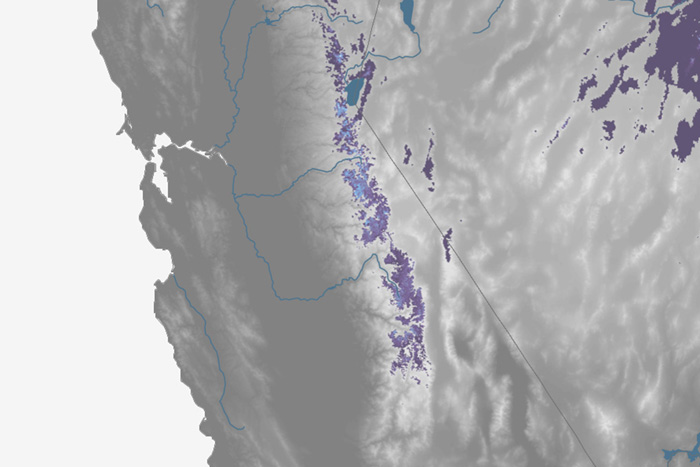
For the first time, California’s Fourth Climate Change Assessment included nine regional reports, including reports on San Diego and Sierra Nevada. The California Nevada Climate Applications Program evaluated the regional reports’ development and use.
NOAA has released the first report in a monograph series on climate adaptation, titled “Our Changing Precipitation: A Conversation on the Science of Precipitation and Planning for the Future.” The report synthesizes information, experiences, and lessons learned.
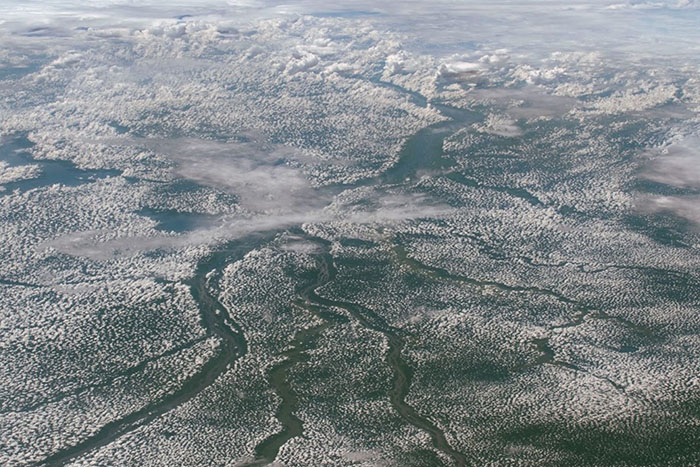
A new study suggests that in a high emissions scenario where water availability could decrease up to 60 percent, solar radiation modification could increase water availability up to 50 percent.
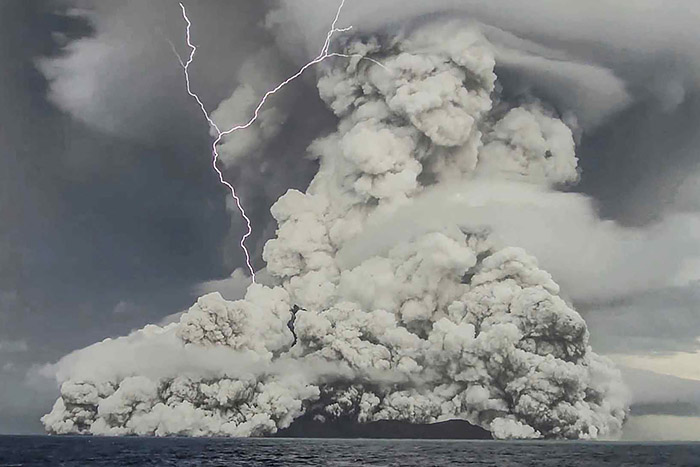
Large volcanic eruptions significantly impact climate, so it’s surprising that climate predictions for 1954–2015 appeared less accurate when they used volcanic eruptions to force model simulations.
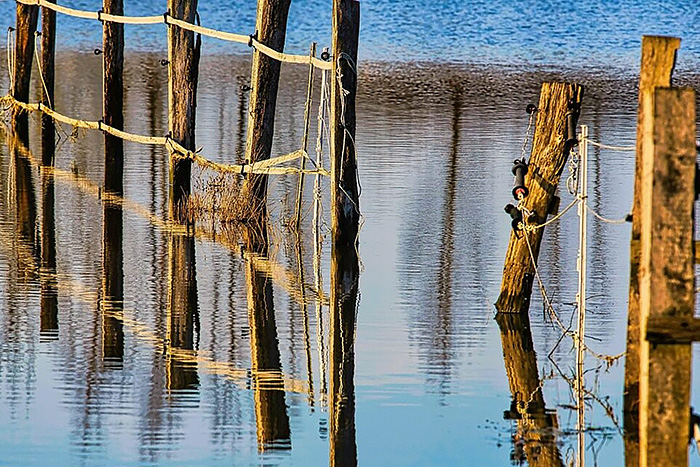
Accurately predicting seasonal changes in coastal sea levels is crucial for managing flood risks, yet current model limitations present challenges.
The Southeastern U.S. experiences periodic droughts along with landfalling tropical cyclones (TCs) from the Atlantic, andit is currently thought that these TCs might help alleviate droughts in this …
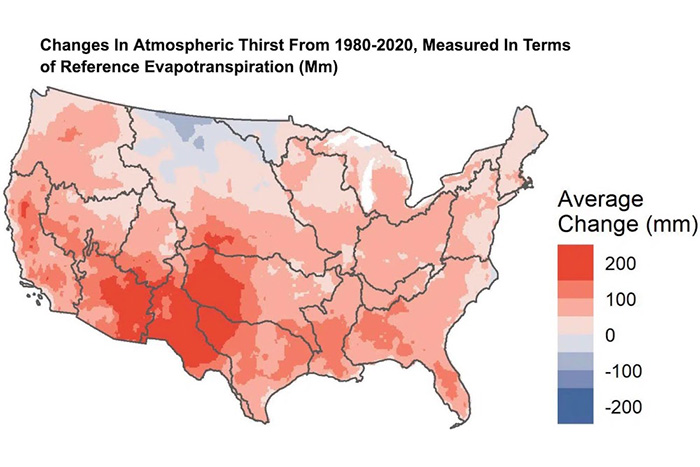
Evaporative demand is the amount of water that the atmosphere can absorb from the planet’s surface—atmospheric thirst. When it rises, so does the risk of drought and wildfire. A new study has found increases in evaporative demand across most of the contiguous United States, especially in the Rio Grande and Lower Colorado River basins.

On August 7, 2022, NOAA employees and residents of Maryland’s Montgomery County participated in the National Integrated Heat Health Information System (NIHHIS) “Urban Heat Island Mapping Campaign.”