News & Features
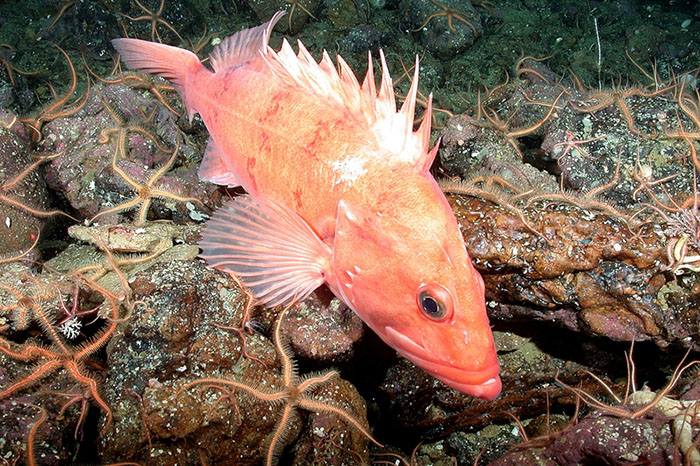
A wave of recent research has focused on extreme warming of ocean surface waters. But marine heat waves also happen deep underwater. In a new paper, researchers used a combination of observations and computer models to generate the first broad assessment of bottom marine heat waves in the productive continental shelf waters surrounding North America.
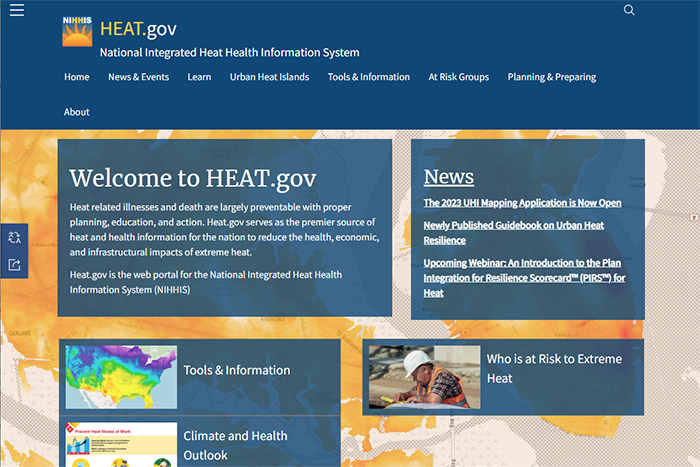
The National Integrated Heat Health Information System’s (NIHHIS) new heat and health portal, Heat.gov, will be displayed as a side event at the US Center, on Thursday, November 17 at COP27.

The Climate Program Office’s Atmospheric Chemistry, Carbon Cycle and Climate Program supported new research examining wildfire impacts on air quality and public health in the continental USA from 2000 to 2020.

For the first time in nearly a quarter of a century, teams of high school students participated in the 2020 National Ocean Sciences Bowloffsite link (NOSB) Finals from their own homes due to the…
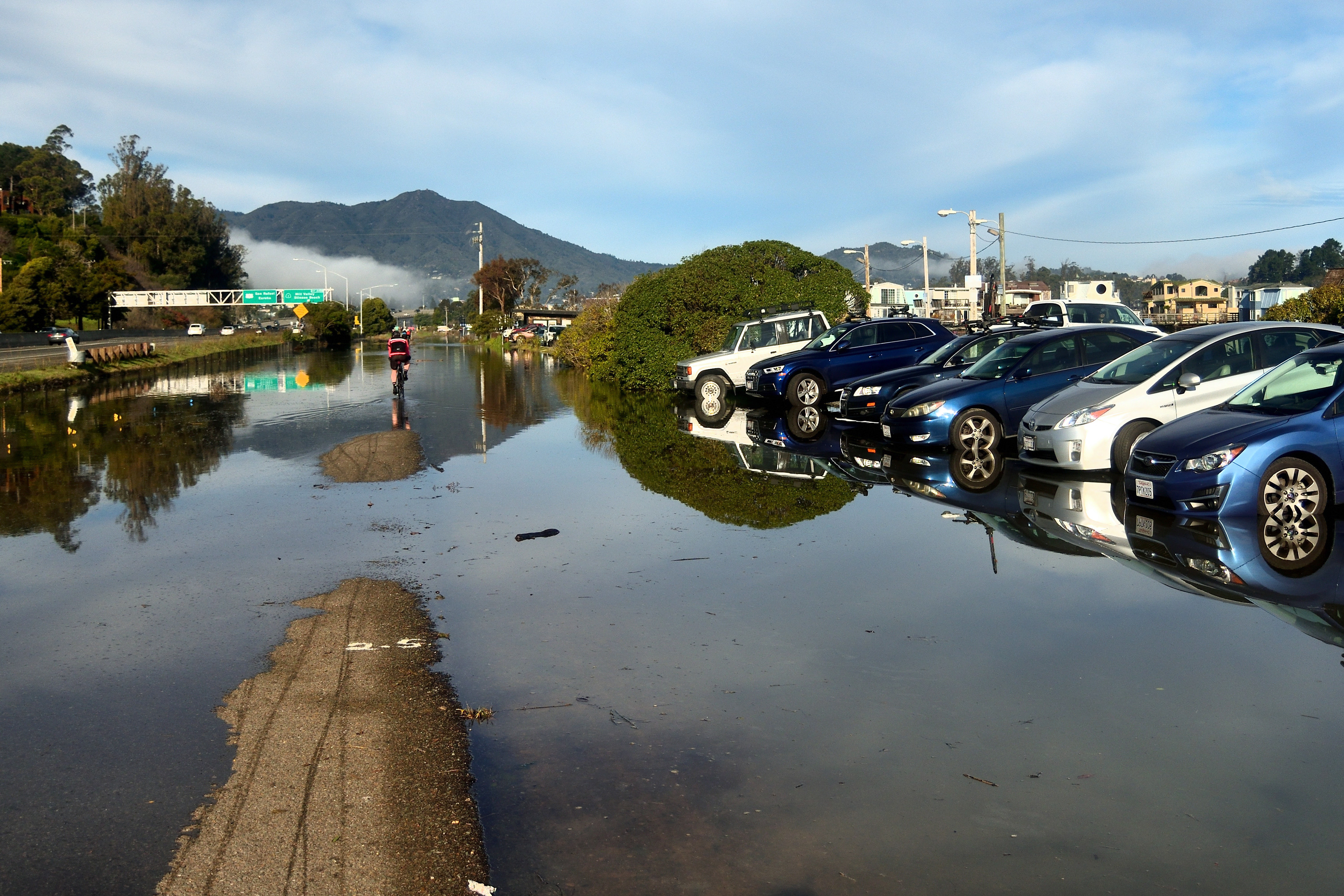
Trend expected to continue into 2023 and beyond.
Since the start of the 21st century California and Nevada have suffered extreme wildland fires and droughts that have caused devastating impacts to ecosystems and society. A common feature of these…