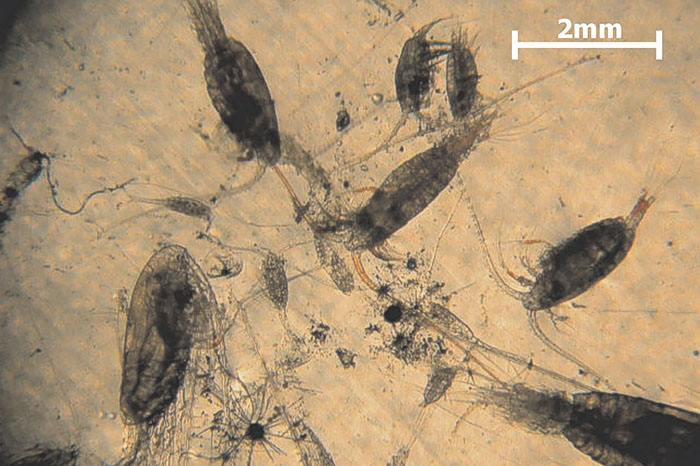
Zooplankton contribute to the transfer of carbon from the atmosphere to the deep ocean. Better representation of their relationship with chlorophyll will improve projections of climate change impacts.
Zooplankton contribute to the transfer of carbon from the atmosphere to the deep ocean. Better representation of their relationship with chlorophyll will improve projections of climate change impacts.
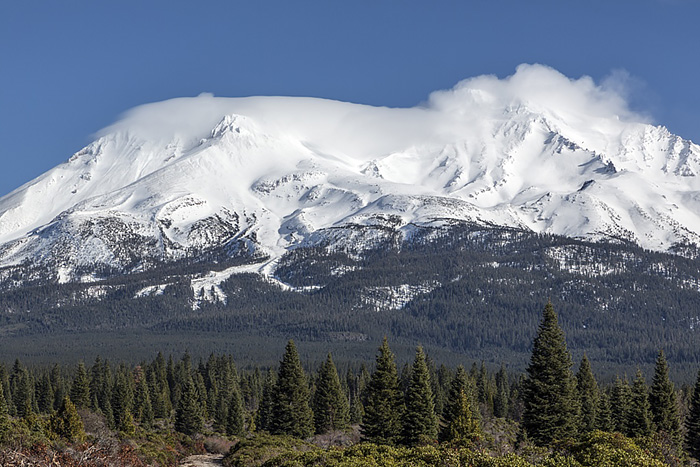
A new study in Nature Climate Change finds regional variations in snowpack melt as temperatures rise. The researchers conclude that, in the United States, snowpack in coastal regions and the south is most “at-risk” from climate change while snowpack in the northern interior of the country is less vulnerable.
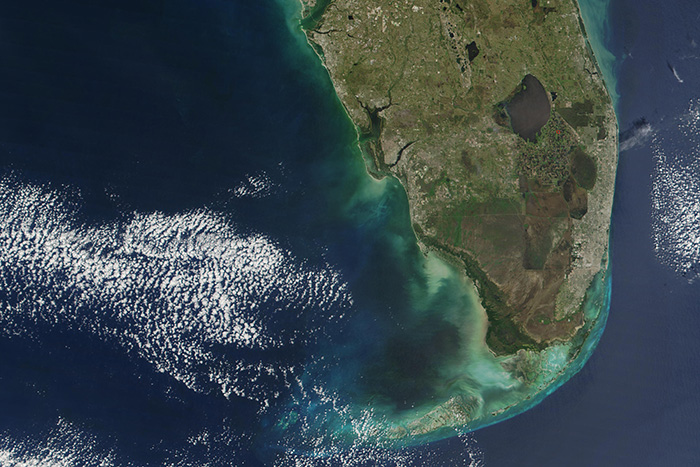
A new study has found a link between red tides and dead zones along Florida’s west coast. When harmful algal blooms strike in early summer and persist into autumn, low-oxygen dead zones are also likely.
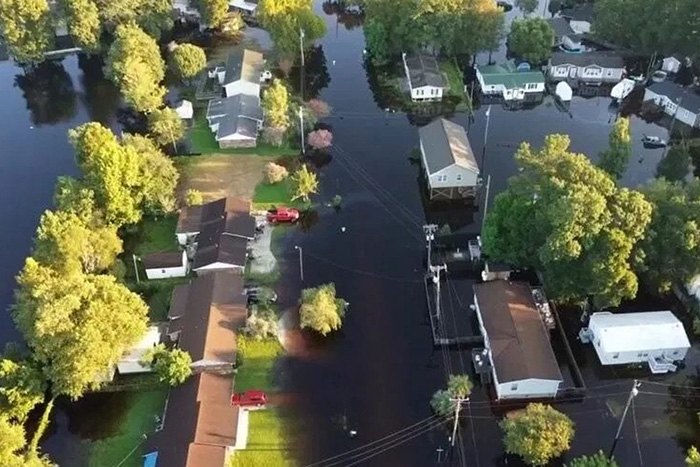
Government programs such as managed retreat are controversial. New findings suggest long-term success of these programs entail offering more help to the local governments implementing them.
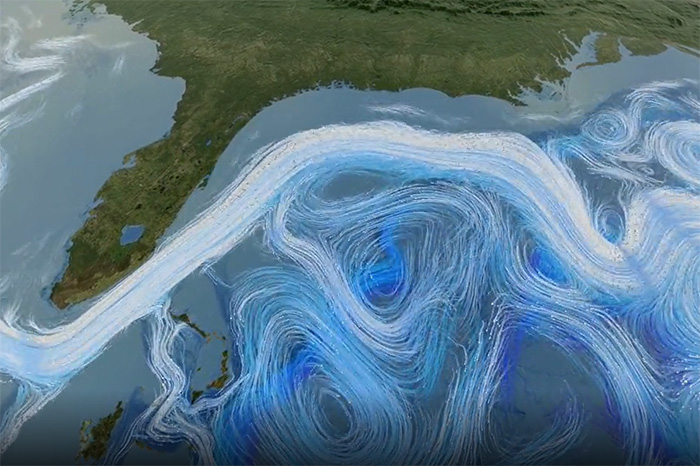
The Atlantic Meridional Overturning Circulation (AMOC) is a key component of global climate. A new study shows that, since 1980, AMOC has had periods of strengthening and weakening, although the magnitudes of change are uncertain.
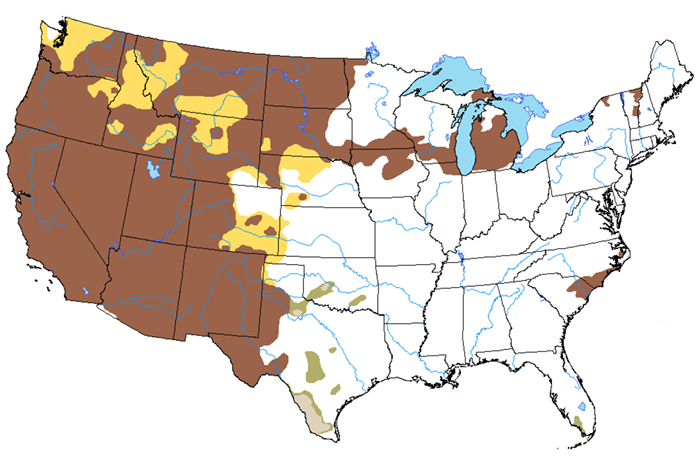
A key factor that determines how users respond to forecasts is the extent to which they trust the information. To help integrate this understanding into forecast valuation, a recent study proposes a framework to model trust in drought forecast information that captures how users’ trust forms and evolves over time and shows how trust influences users’ decisions.
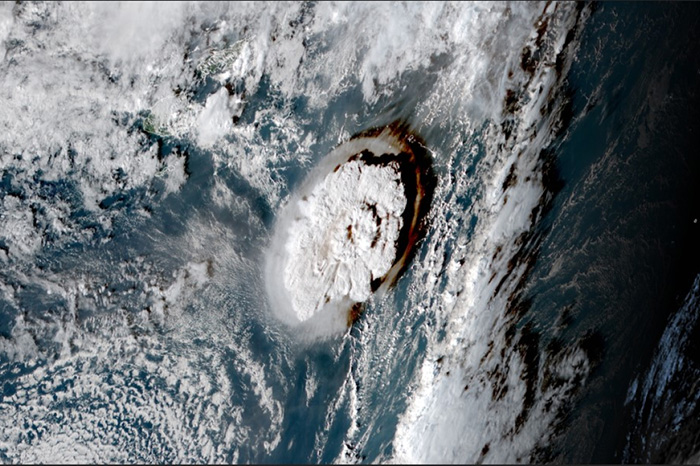
Understanding volcanoes is essential to fully understanding the El Niño-Southern Oscillation (ENSO) and its effects on climate. A newly published study revisits the link between ENSO and volcanic activity, in light of newer data.
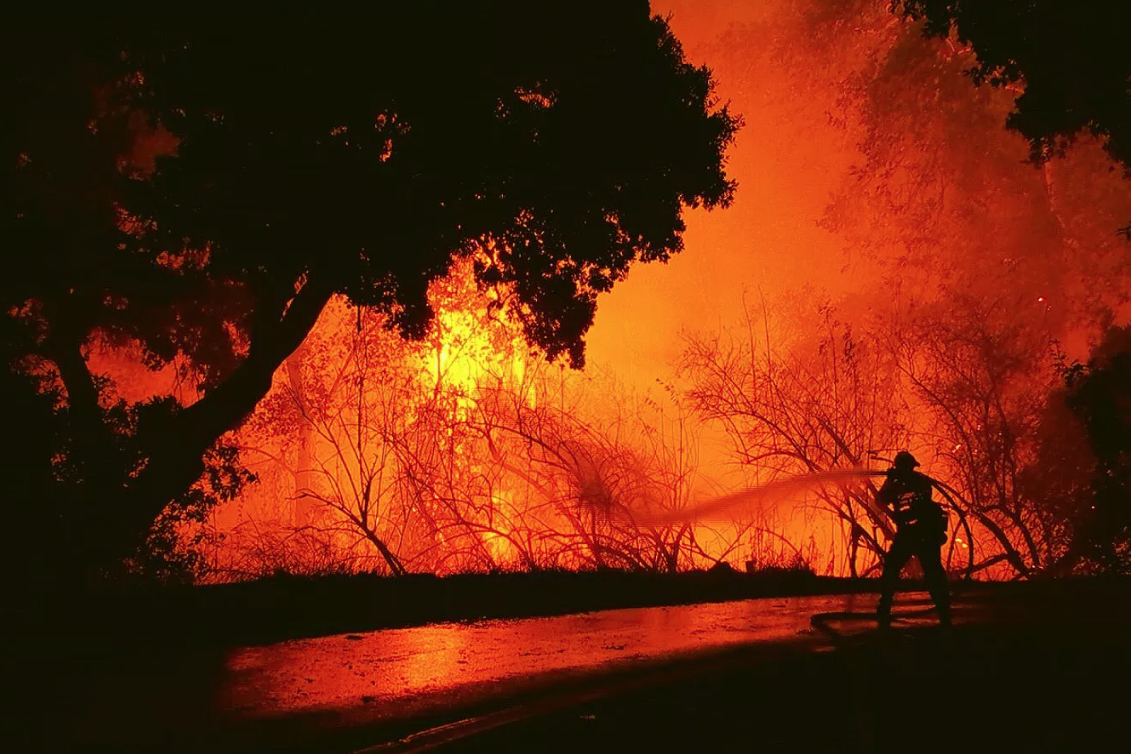
A new study finds that California wildfire emissions from the last five years are more than five times greater than the emissions from the previous four decades. The study also shows the importance of vegetation and fire severity in controlling wildfire distribution.
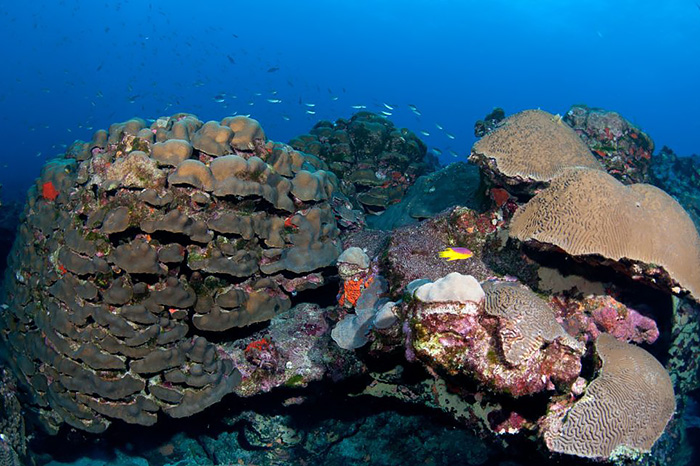
A new study suggests a series of Gulf of Mexico reefs are more resilient to warmer oceans as they are exposed to a wider range of temperatures brought on by a physical movement of seawater called “eddies.”
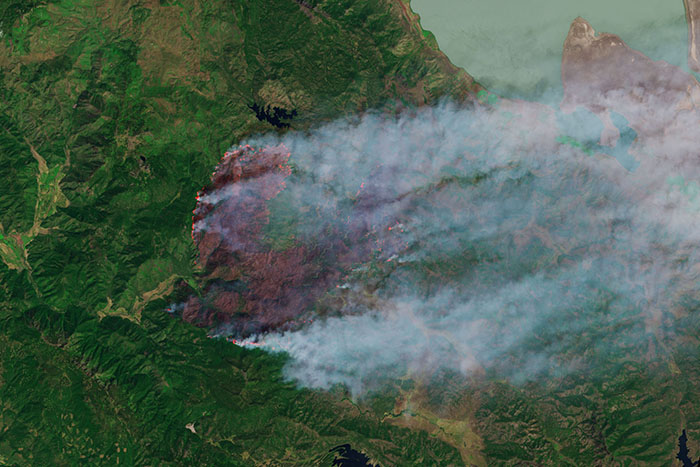
How much aerosols scatter light and reduce visibility can be linked to human health impacts. Measurements taken during the Fire Influence on Regional to Global Environments and Air Quality (FIREX-AQ) campaign provide a record of aerosol light scattering during the 2019 wildfire season in the western United States.