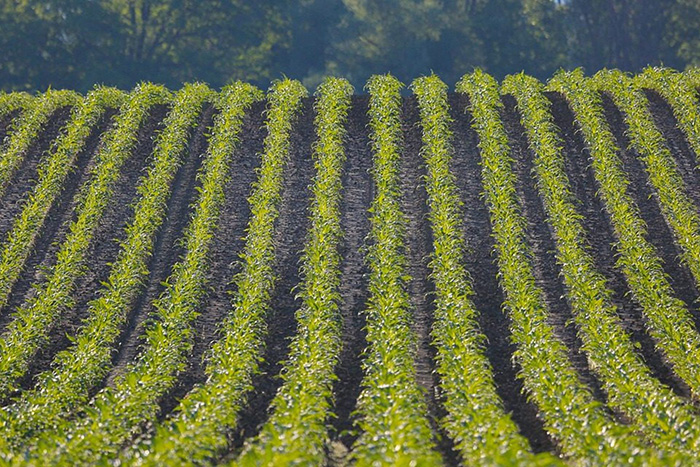
Compared to models that use predicted plant growth, models that incorporate satellite measurements of plant cover improve tracking of drought duration.
Compared to models that use predicted plant growth, models that incorporate satellite measurements of plant cover improve tracking of drought duration.
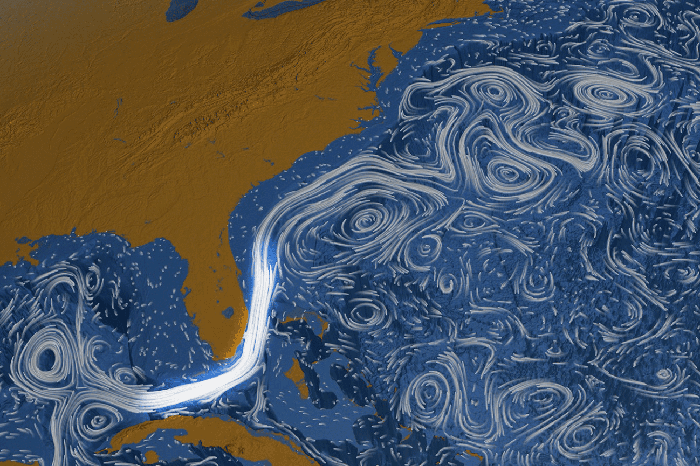
A new study finds that the Florida Current, a key component of the Atlantic Meridional Overturning Circulation, has remained stable for the past 40 years.
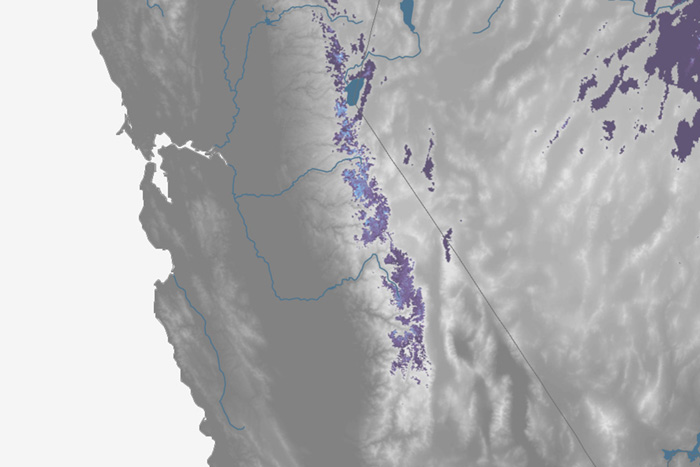
Lessons learned from Hurricane Harvey may help disaster professionals better support preparing for extreme events across the United States. A new report offers insights for businesses and nonprofits in Port Arthur and Beaumont, Texas.

New research finds large-scale circulation shifts have helped increase atmospheric river activity, boosting summer moisture in the Arctic.

Two announcements today from NOAA Fisheries offer a ‘snapshot in time’ of the population status of U.S. federal fisheries in 2019, and the economic performance of commercial fishing, recreational…
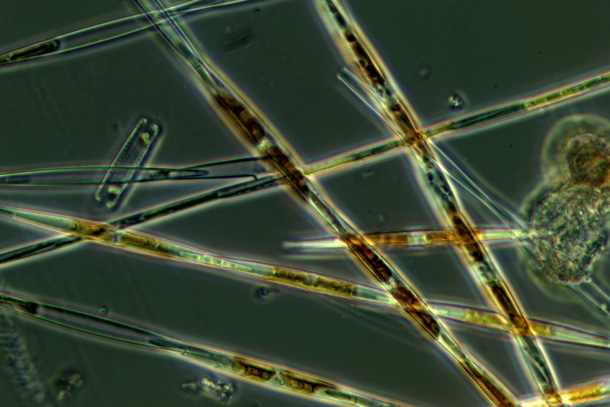
A record breaking algal bloom impacts sea life up and down the western coastline of North America.
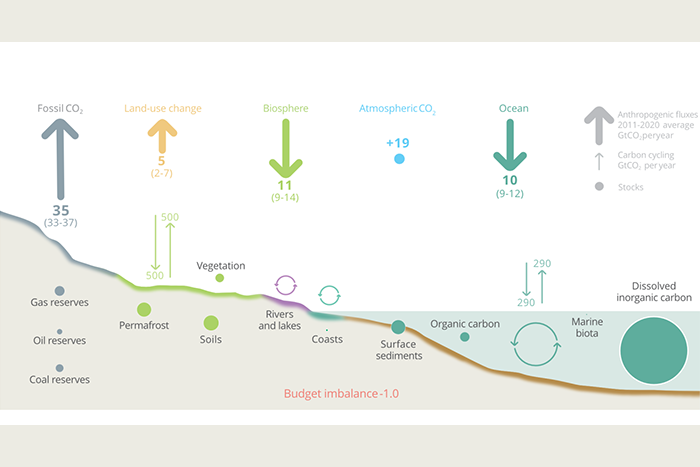
While carbon dioxide emissions of declining in some regions, they continue to rise overall. A new report indicates global action to reduce fossil fuel consumption is not happening fast enough to prevent dangerous impacts from climate change.
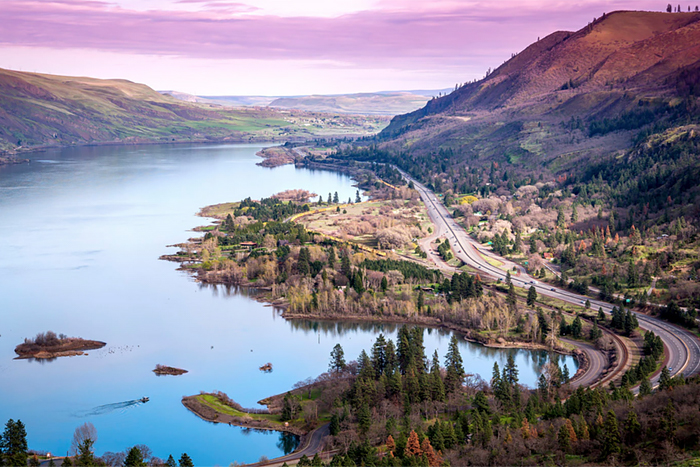
Researchers with the Pacific Northwest Climate Impacts Research Consortium (CIRC) have projected widespread increases in flood magnitude throughout the Columbia River Basin in a warmer climate. By 2050, much of the Pacific Northwest could experience increased flood magnitudes. The webinar associated with this study, recorded March 5, 2021, is now available online.