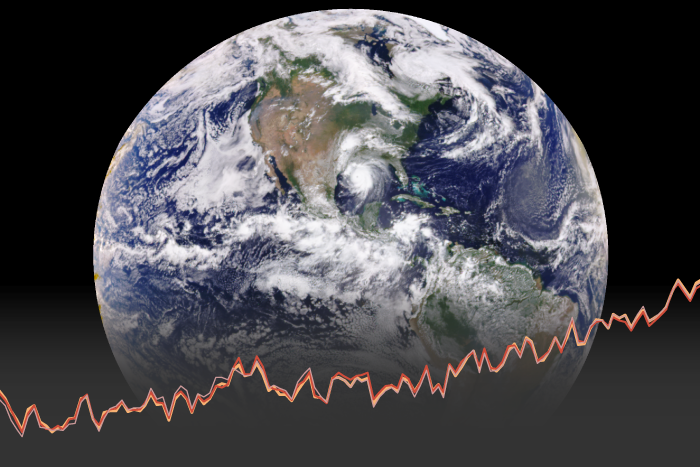
International report confirms 2020 was among three warmest years on record.
International report confirms 2020 was among three warmest years on record.
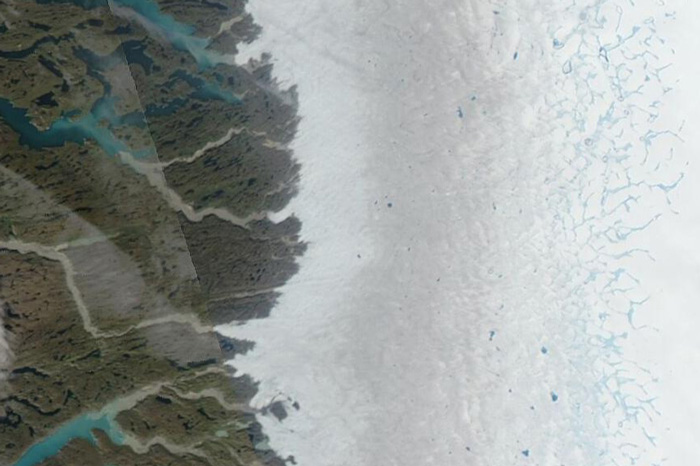
In mid-August 2021, a late-summer heatwave struck Greenland, causing widespread melt on the ice sheet and rain at the summit.
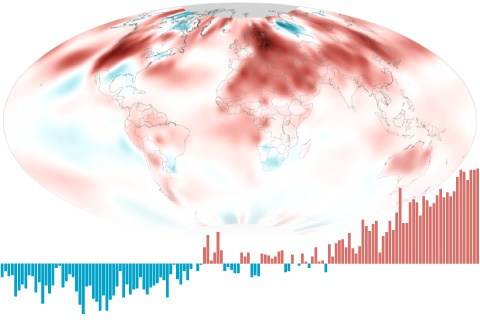
Global average surface temperature in July—the hottest month of the year on average—set a new record in 2021. It's virtually certain that the year will go on to become one of the ten warmest years in the historical record.
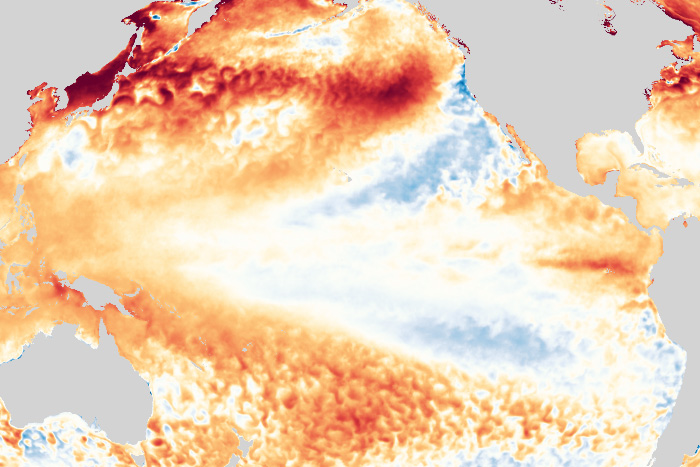
Neutral conditions are hanging on, but for how long? Our blogger explains why a return to La Niña this fall/winter is looking more likely.
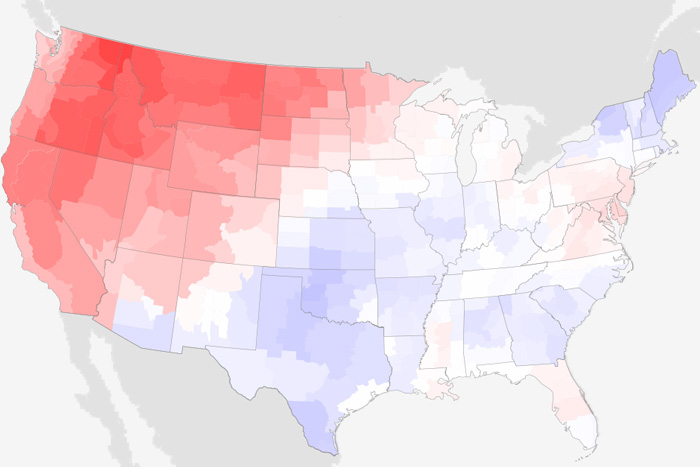
Stories of drought, extreme heat, and fires dominated the weather headlines for the West in July. The central and eastern U.S. were wet and relatively cool.
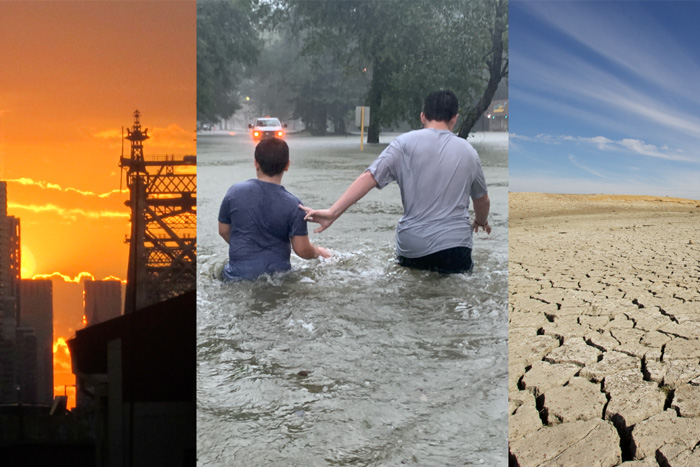
The findings of their review of more than 14,000 studies are clear: climate change is affecting nearly every part of the planet, and there is no doubt that human activities are the cause.
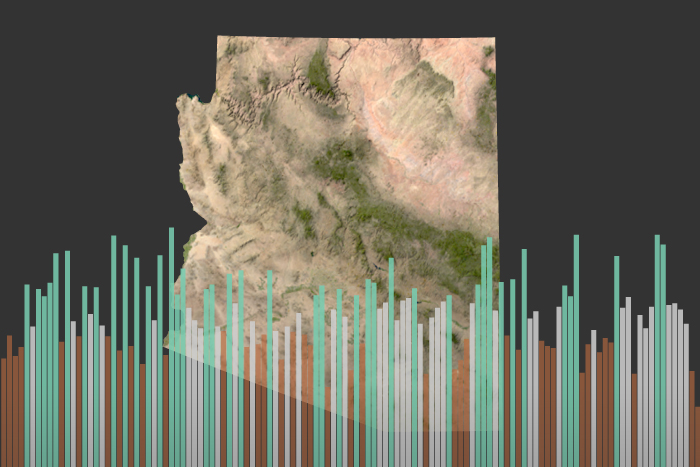
Much of the U.S. Southwest is near-desert. What does drought even mean in a place like that?

The August 2021 Climate outlook favors a wetter-than-average month across the Southwest and Southeast and above-average temperatures across much of the contiguous U.S.

Our guest blogger explains how our food system is being controlled by ENSO. Also, why La Nina events are particularly troublesome.

A heatwave of the intensity of the June event in the Pacific Northwest would have been virtually impossible without global warming. But that doesn't mean such events will become common any time soon.