
The U.S. tornado season to date has been very active. Our guest blogger explains how the lingering influence of La Niña might have played a role.
The U.S. tornado season to date has been very active. Our guest blogger explains how the lingering influence of La Niña might have played a role.
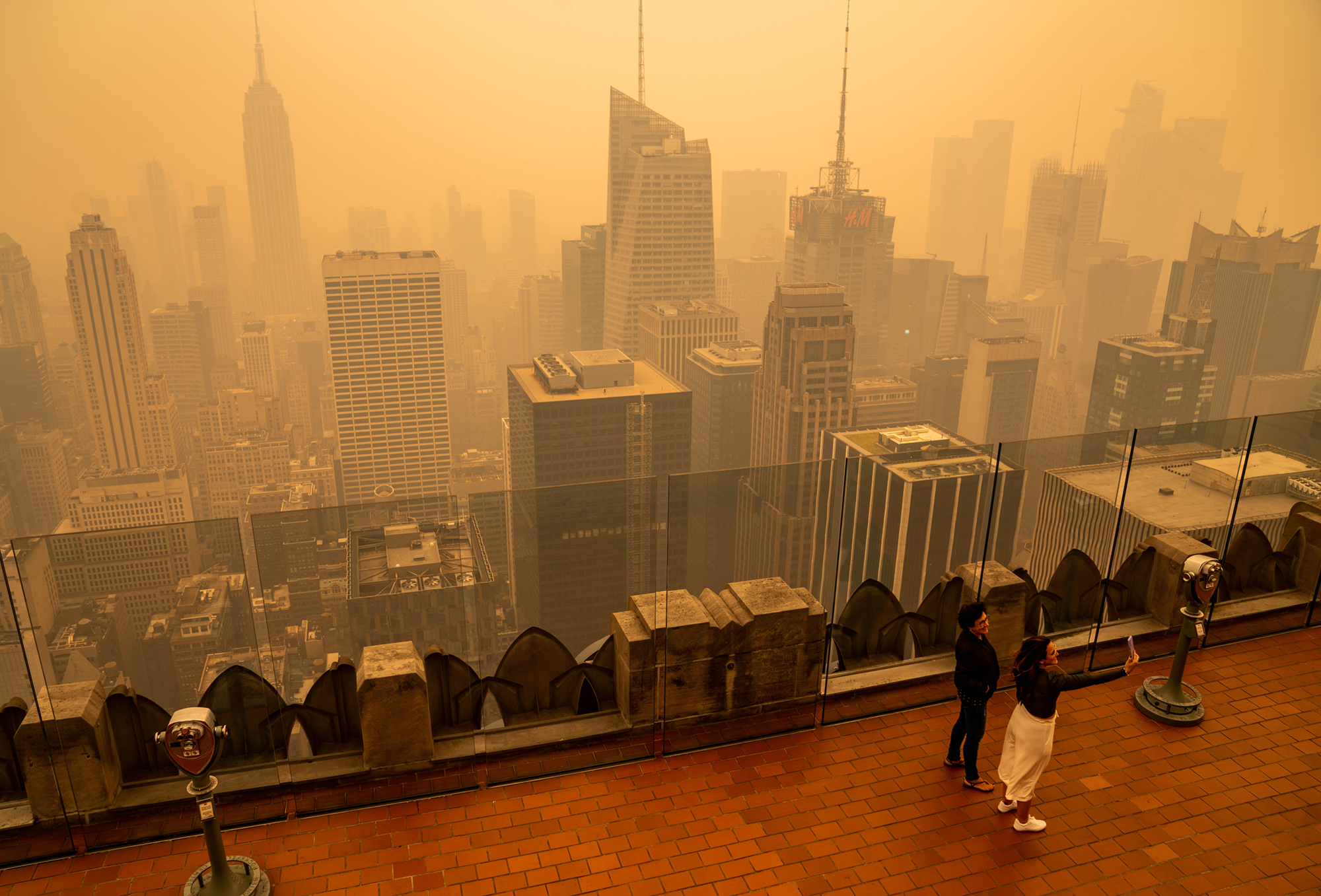
Wildfire smoke can cause air pollution in locations thousands of miles downwind. Health experts need to know what's in the smoke people are breathing—especially smoke from fires that burn into urban areas and ignite synthetic materials.

The tropical Pacific is ENSO-neutral. Our blogger covers what that means and what forecasters expect for the rest of the year.
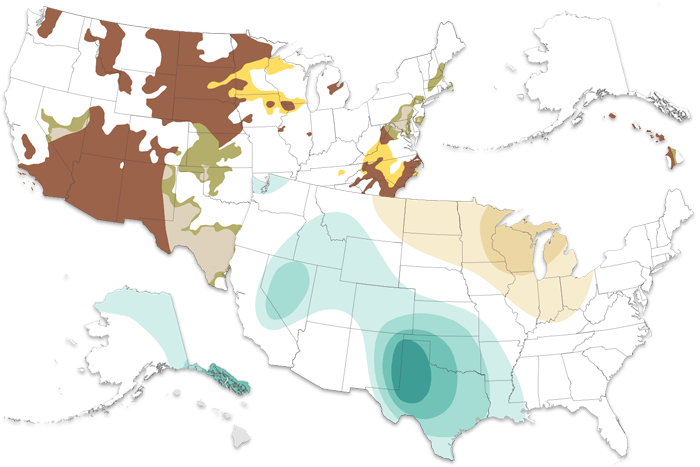
What’s ahead for May, as we draw closer to the start of summer? Here’s what NOAA’s Climate Prediction Center (CPC) expects to occur during the month.

Many people will say “climate is the average of weather.” That’s not wrong, but it’s not a complete explanation.
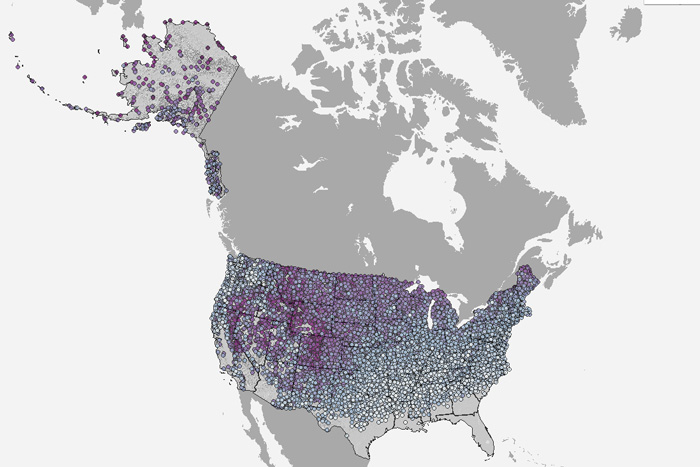
Our interactive map shows the latest date of measurable snow recorded at thousands of U.S. weather stations, based on data through April 11, 2018.

Antarctic sea ice likely reached its annual minimum extent on March 1, 2025. The 2025 summer minimum extent is statistically tied with 2022 and 2024 for second-lowest in the 47-year satellite record.
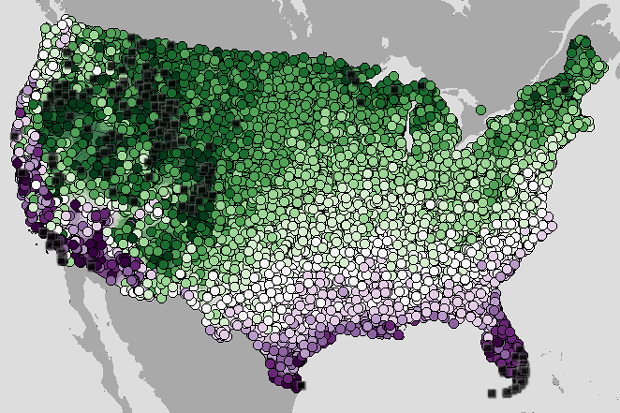
When does the chance of an overnight freeze drop below 50 percent? Explore this map to find out.

March 2025 temperatures for the contiguous U.S. were the sixth-warmest in the 131-year record. Precipitation ranked in the middle third of the historical record.
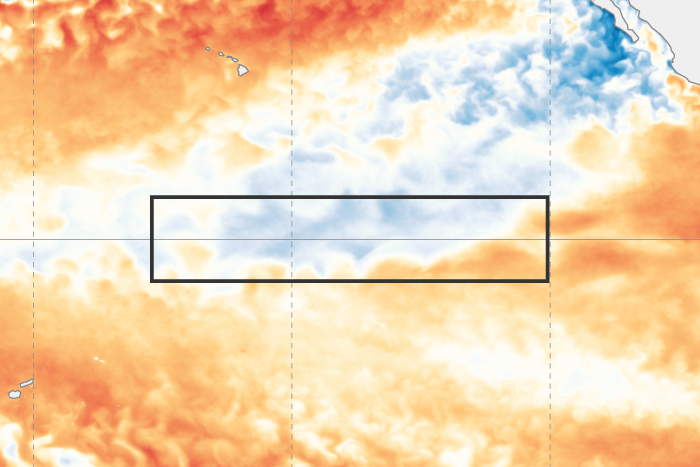
After just a few months, La Niña conditions have ended and the tropical Pacific has returned to neutral conditions. Our blogger gives you the scoop on La Niña's end and the forecast for the rest of 2025.