Our blogger discusses the ENSO forecast, with a side of climate change.
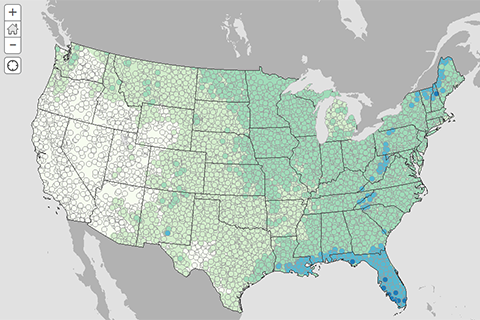
At the end of May 2017, central Florida was the only part of the contiguous United States experiencing extreme drought. These maps come from a new drought surveillance system that can detect vegetation stress without knowing anything about how much it has rained.
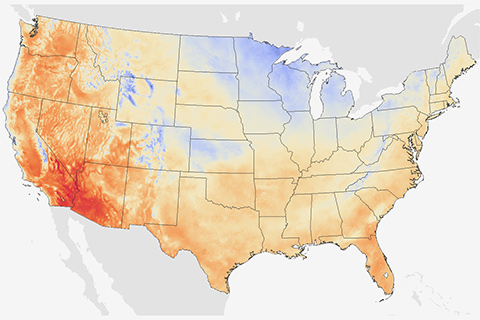
In mid-March, a cold air outbreak brought freezing temperatures to the Southeast devastating crops and causing over $1 billion in agricultural losses. For those of us who love fruit this is bad news. In this Beyond the Data post, we explain why it was so devastating even though freezing temperatures in mid-March aren’t that unusual for the Southeast.
Between the weekly forecast and a seasonal outlook—and often less accurate than both—sit “sub-seasonal” weather predictions. In this profile, atmospheric scientist Libby Barnes talks about her work leading a NOAA task force whose members are trying to overcome the special challenges of forecasting over the 2-week to 2-month horizon.
NOAA's Climate Prediction Center releases its 2017 Atlantic hurricane outlook, saying odds favor an above-normal hurricane season.
Our ENSO blogger sits down with Ken Takahashi, an ENSO forecaster from Peru, to gab about the recent coastal El Niño and what might be coming up next.
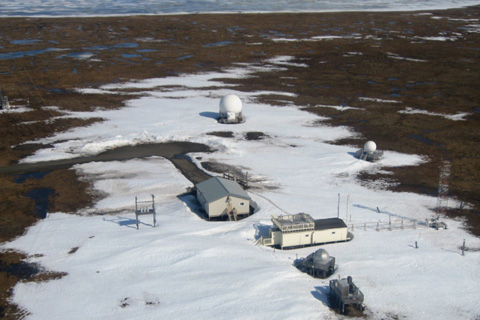
A mild winter and warm spring have led to a large patch of open water in the Chukchi Sea off Alaska, an extremely unusual—possibly unprecedented—occurrence for mid-May.
Tropical storm Adrian becomes the earliest named storm on record for the eastern Pacific Ocean.
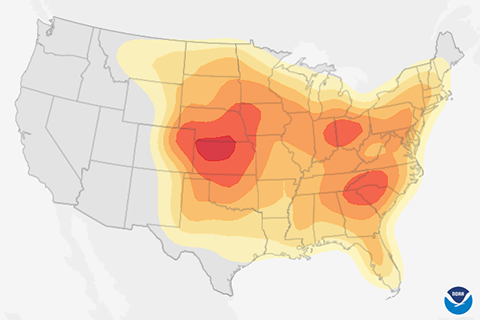
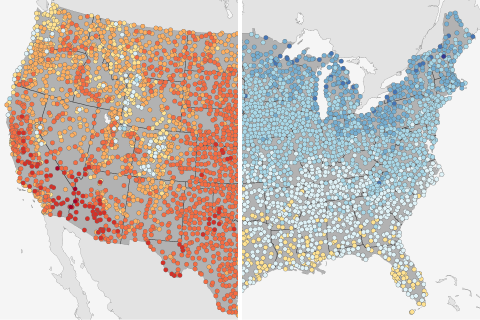
According to NOAA's latest seasonal outlook, a hot summer is more likely than a cool one for most of the United States.
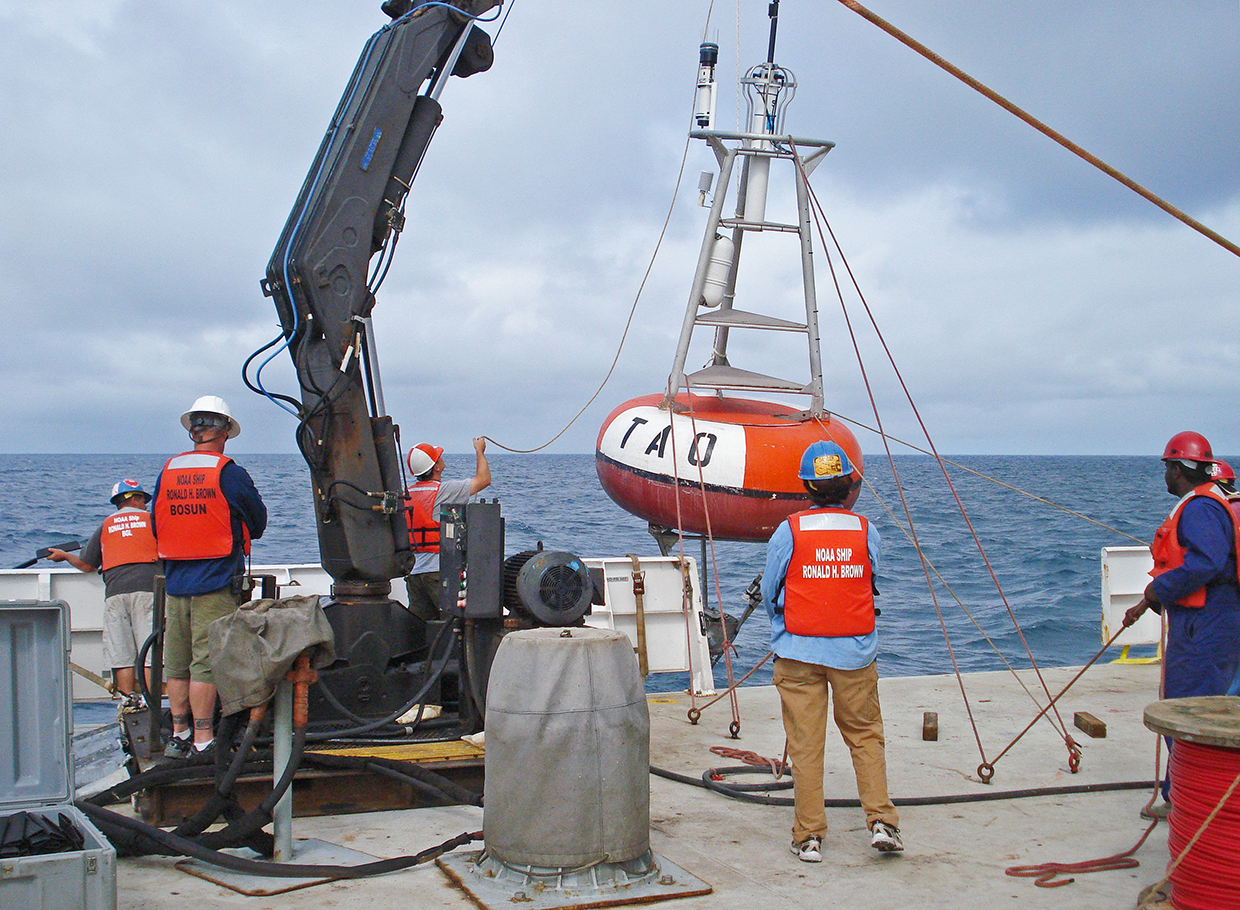
The chance El Niño will develop is about equal to the chance that the tropical Pacific will stay in neutral. What are forecasters looking at this month?