
Multi-year drought in California has been joined this summer and fall by extreme and exceptional drought across the Southeast and moderate to severe drought in parts of New England.
Multi-year drought in California has been joined this summer and fall by extreme and exceptional drought across the Southeast and moderate to severe drought in parts of New England.

Blocked for decades by an impassable dam, 11.2 miles of prime habitat are now open to endangered Caifornia coho salmon. Access to the upper stream elevations will make the salmon and steelhead trout that migrate into the Russian River watershed to spawn much more resilient to temperature and drought extremes.

This month, all signs are pointing to the presence of La Niña conditions.

Rick Potts of the Smithsonian Institution discusses the role of climate variation in the evolution of our ancestors.

A broad expanse of 80+ degree water dominated the tropical Pacific last winter. This animation shows how these warm surface waters were eroded by waves of cool water that pulsed across the equator throughout spring and summer.

The world's oldest mummies have been infected with a destructive black ooze. Climate change may be responsible.
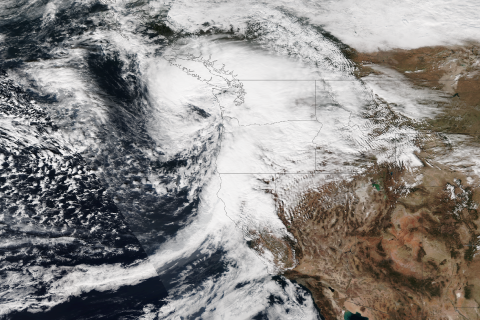
While not as bad as initially feared, a strong low pressure system brought gusty winds and rain to the Pacific Northwest in mid-October 2016.
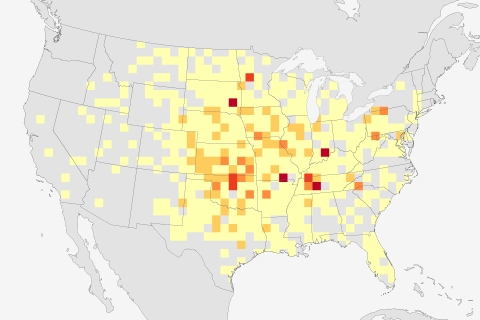
Using a combination of observations and models, NOAA-funded scientists have found a small but significant “advanced warning” signal for heightened summer tornado activity in the U.S.: warmer-than-average water temperatures in the Gulf of Mexico
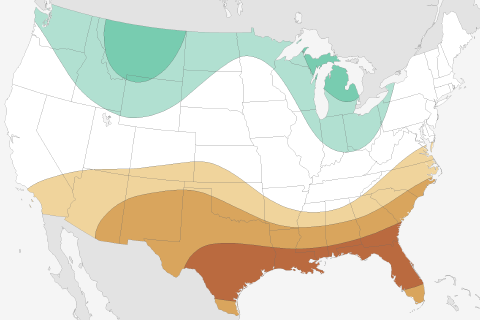
What are NOAA's predictions for this possible La Niña winter of 2016-17, and how did its predictions for last winter fare during the strong El Niño? Guest blogger Mike Halpert gives us the lowdown.
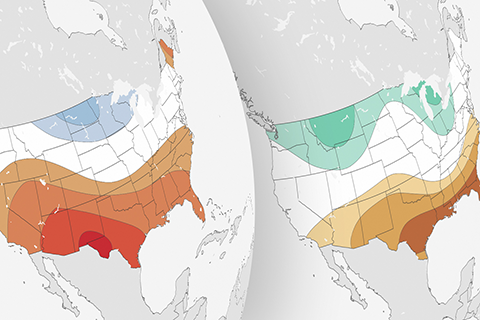
Last year's strong El Niño event defied expectations that it would bust California's long-running drought. Will this year's weak La Niña bring its typical warmth and dryness to the U.S. southern tier?