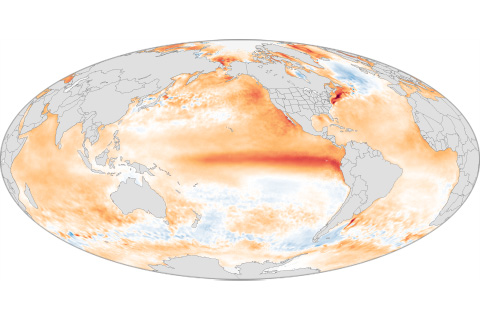
A record-smashing hurricane season in the central North Pacific. Water rationing in Puerto Rico. The biggest one-year jump in atmospheric carbon dioxide concentrations. These and more of 2015's extreme events had one thing in common: El Niño.
A record-smashing hurricane season in the central North Pacific. Water rationing in Puerto Rico. The biggest one-year jump in atmospheric carbon dioxide concentrations. These and more of 2015's extreme events had one thing in common: El Niño.

Ocean heat storage has increased substantially since 1993, hitting a record high in 2015, according to the State of the Climate in 2015 report. Ocean warming accounts for over 90% of the warming in Earth’s climate system.

The global mean sea level in 2015 was approximately 7 centimeters (2.7 inches) above the 1993 average, making it the highest observed since the satellite altimeter record began in 1993. Regional variations highlighted the short-term influence of climate phenomena like the Pacific Decadal Oscillation and the largest El Niño event since 1997/98.
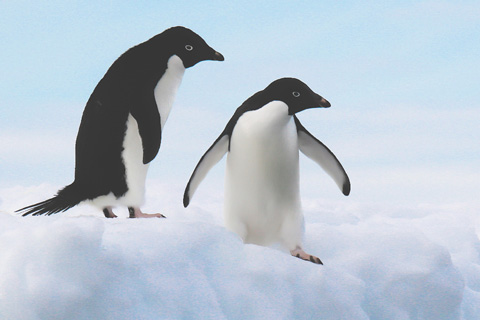
In the 2015 edition of the State of the Climate report, climate and biology experts wrote about some dramatic impacts of warming on life in the ocean.

The author of the glacier chapter of the 2015 State of the Climate report and his daughter talk about how family connections brought them together scientifically, and how science keeps bringing their family together.

Extreme heat in Kuwait last week might have set a new high temperature record for Asia and the Eastern Hemisphere. How do climate experts verify such records?

It might seem strange to be talking about snow cover during the heat of summer, but July 1st was “Snow New Year.” As most people do at the start of a new year, we’re reflecting on events from the past year to understand where we have been and where we might be going.

Blogger Tony Barnston describes how the transition from ENSO-neutral toward La Niña is progressing, and explains why models have become somewhat less bullish on the certainty and strength of the La Niña.

Record-setting warmth enveloped the contiguous United States in June 2016.

The state of West Virginia was designated a federal disaster area following deadly and destructive floods on June 23, 2016. Rainfall in some counties exceeded 24-hours totals that the National Weather Service described as a 1-in-a-thousand-year event.