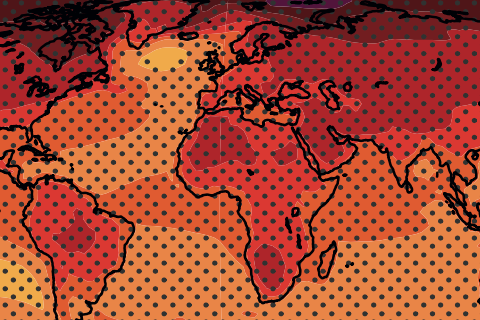
Considering some locations experience temperature swings of 30°F or more in a single day, warming of 1.8°F (1°C) might seem small, but Earth's annual temperatures are very stable when climate isn't changing.
Considering some locations experience temperature swings of 30°F or more in a single day, warming of 1.8°F (1°C) might seem small, but Earth's annual temperatures are very stable when climate isn't changing.

Earth has warmed in the past due to changes in the Sun, volcanic eruptions, and naturally occurring increases in greenhouse gases. Our ability to understand and explain past changes is one reason we are confident that recent changes are due to humans.

From larger, more intense wildfires to more frequent flash floods, global warming has added to the rising cost of natural hazards. Current spending on infrastructure isn't enough to cover repairs and upgrades.

From heat-related illness, to the spread of pests and pathogens into new areas, to the accumulation of toxins in seafood, global warming is likely to have serious impacts on public health.
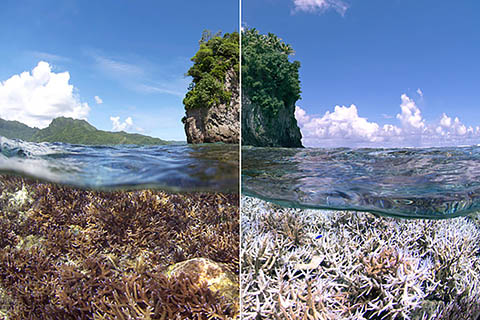
Global warming and related climate change are negatively impacting species and habitats across the country, including many that are economically and culturally important to Americans.
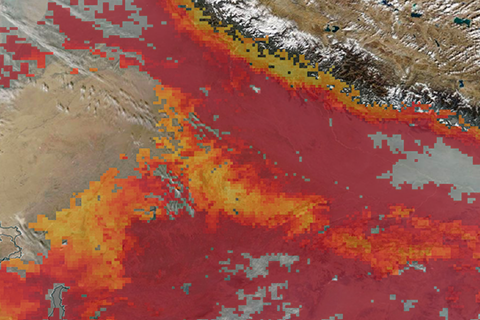
Yes, human activities exert a cooling influence on Earth in several ways. Overall, this cooling influence is smaller than the warming influence of the heat-trapping gases humans put into the air.
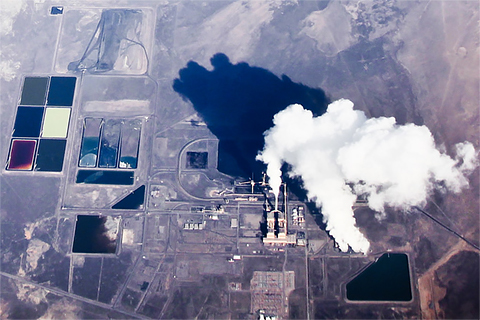
Yes, human activity is putting carbon dioxide into the atmosphere faster than natural processes take it out. Rising carbon dioxide levels are strengthening Earth's greenhouse effect and causing global warming.
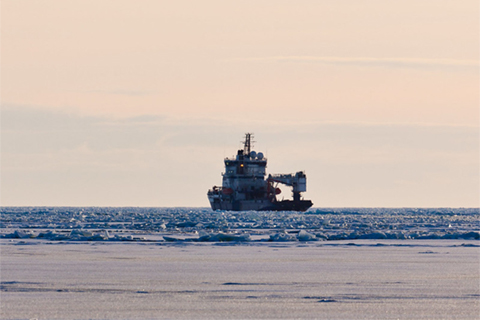
Yes, there will probably be some short-term and long-term positive benefits from global warming, but the negative costs and impacts of continued global warming are very likely to far outweigh the positive benefits over the course of this century.

There is great potential for the collective actions of many individuals worldwide to reduce global warming by making changes in their daily and annual activities that produce heat-trapping gases and aerosols.

Human-caused climate change is not the sole cause of any single extreme event. However, changes in the intensity or frequency of extremes may be influenced by human-caused climate change.