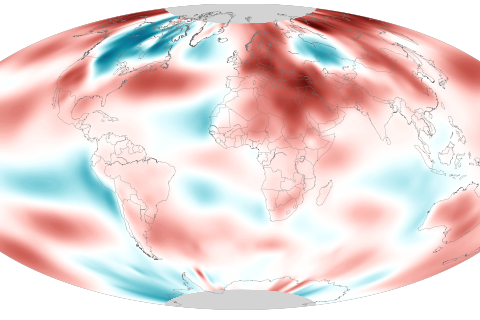
Potential effects of global warming include sea level rise, more frequent and more extreme heat waves, intensification of wet and dry regional climate patterns.
Potential effects of global warming include sea level rise, more frequent and more extreme heat waves, intensification of wet and dry regional climate patterns.

Weather and climate occur on different scales of time and space, and depend on different aspects of Earth's environment. Weather describes atmospheric conditions at a particular time and place. Climate is the overall statistical characteristics of weather and environmental conditions, such as long-term averages and ranges of variability, for a given place and season.
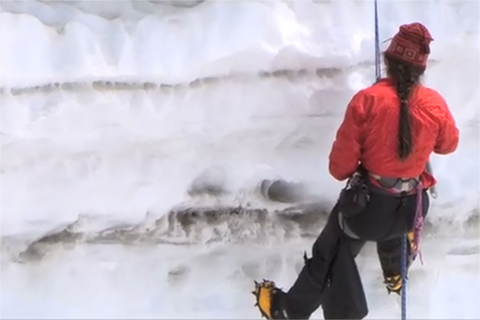
No. By a large majority, climate scientists agree that average global temperature today is warmer than in pre-industrial times, and that human activity is the primary contributing factor.
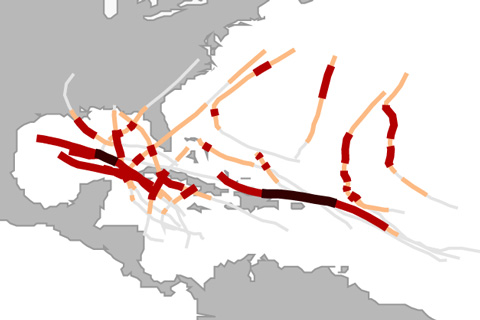
Pulled from the Fourth National Climate Assessment report published in November 2018, this FAQ explains what we know about the connection between global warming and Atlantic hurricanes.
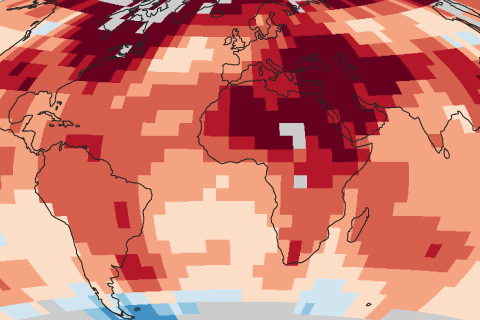
The 15 years from 1998–2012 were the warmest on record at that time, but the rate of global surface warming was slower than it had been in the 2-3 decades prior thanks to several natural influences. Meanwhile, the ocean's heating imbalance continued to climb.
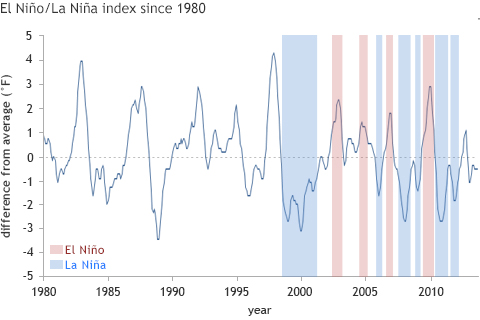
The most likely explanation for the lack of significant warming at the Earth’s surface in the past decade or so is that natural climate cycles caused shifts in ocean circulation patterns that moved some excess heat into the deep ocean.
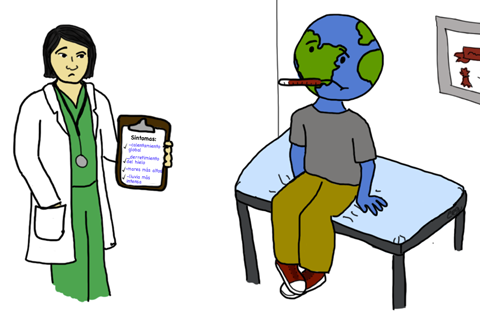
El calentamiento global es un síntoma del problema mucho más grande del cambio climático causado por los humanos.
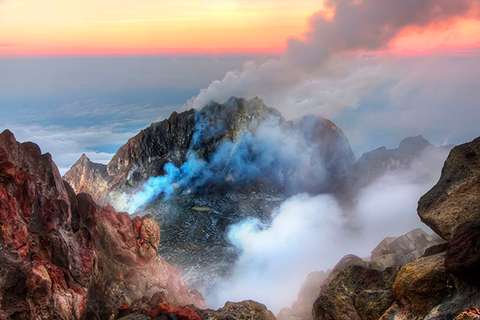
Las actividades humanas emiten 60 veces o más la cantidad de dióxido de carbono liberado por los volcanes cada año.
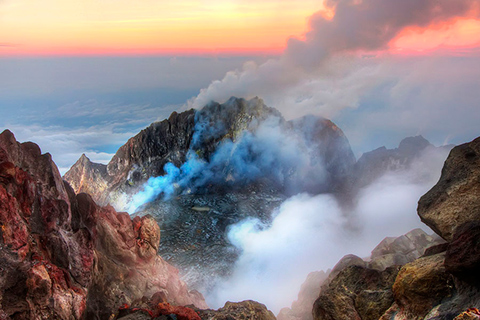
Human activities emit 60 or more times the amount of carbon dioxide released by volcanoes each year.
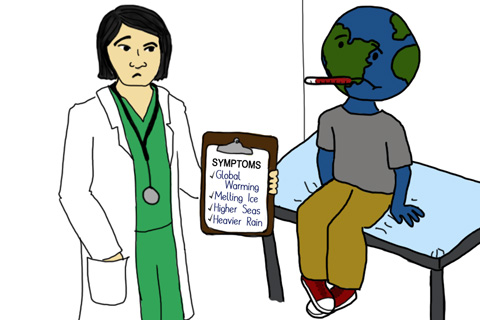
Global warming is one symptom of the much larger problem of human-caused climate change.