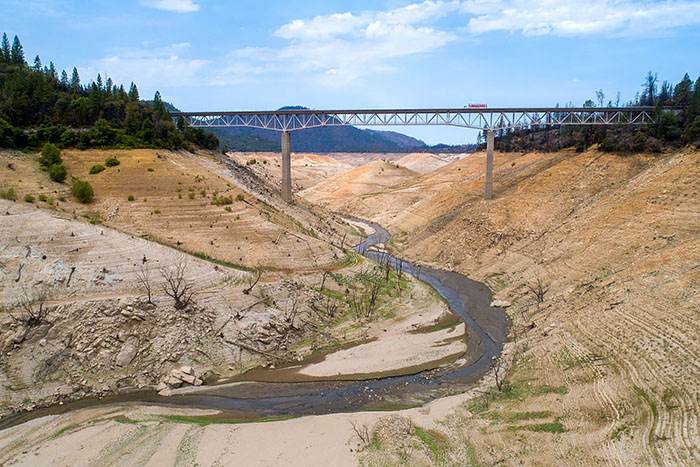
A new study finds that drought onset over summer 2020 to spring 2021 was caused by four consecutive seasons of below-normal precipitation. The driest summer on record occurred in 2020, starting the drought.
A new study finds that drought onset over summer 2020 to spring 2021 was caused by four consecutive seasons of below-normal precipitation. The driest summer on record occurred in 2020, starting the drought.
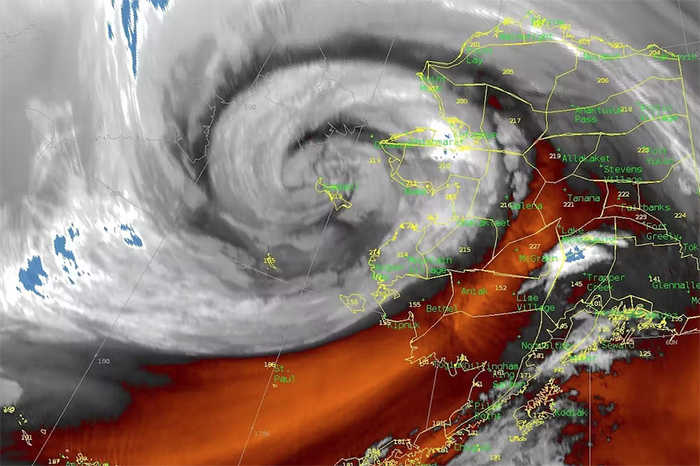
Typhoon Merbok reached Alaska’s western coast on September 17, 2022. The unusual storm struck early in the season and formed far east of Japan, where sea surface temperatures have historically been too cool to support typhoon formation.
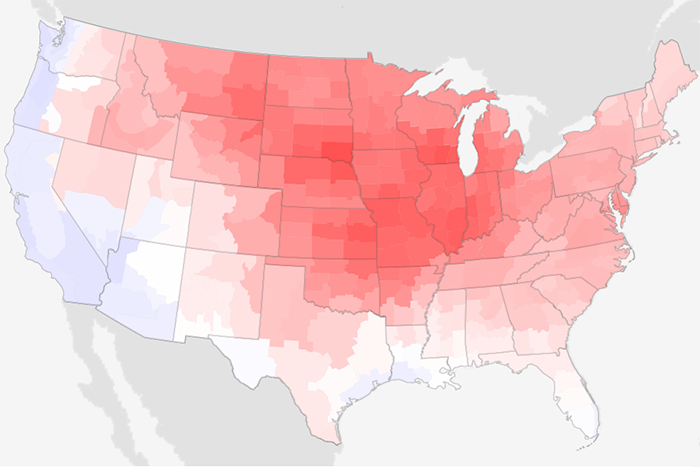
Home to critical productive farmland, Missouri experienced a heatwave in July 2012. Operational models have failed to predict such events, but a new study raises hopes of improving future predictions.
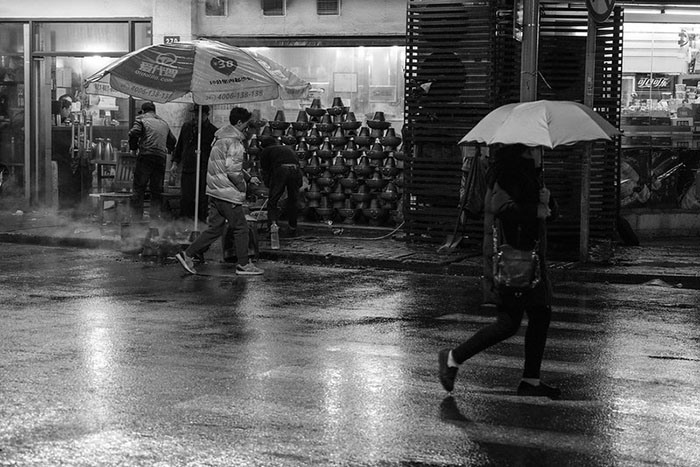
In recent winters, extreme, prolonged precipitation has caused structural damage and economic losses in South China. A new study has identified circulation patterns that cause and enhance precipitation over South China during winter.
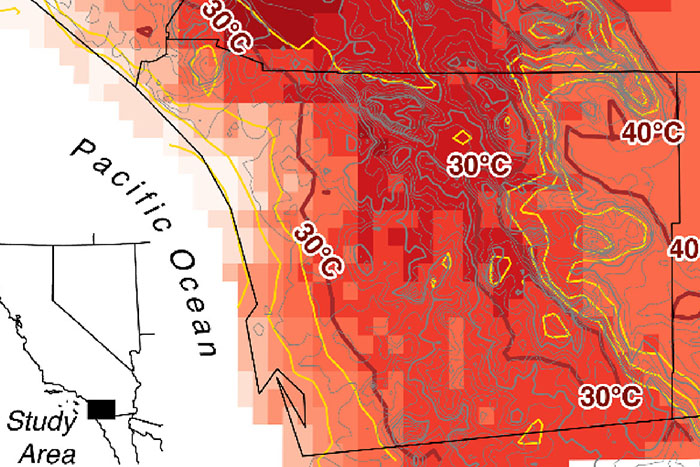
A new study focused on San Diego County, California, conducted virtual focus groups from heat-vulnerable communities to assess current education and warning systems, and recommend improvements.
NOAA/CPO Climate Variability and Predictability (CVP) Program will host a webinar series on the Tropical Pacific Observing System (TPOS) Pre-Field Modeling Studies that will highlight the recent…
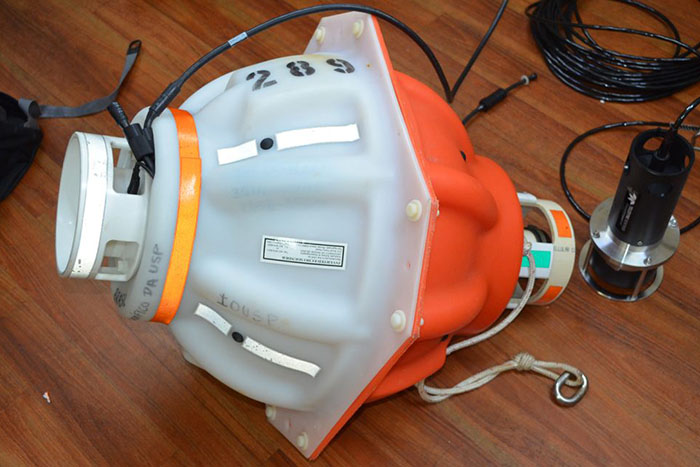
The South Atlantic Meridional Overturning Circulation (SAM) project began in 2009 to capture the daily variability of key components of the Meridional Overturning Circulation (MOC) in the under-sampled South Atlantic Ocean. By early September 2022, after two weeks at sea, the project completed its first cruise since June 2019.
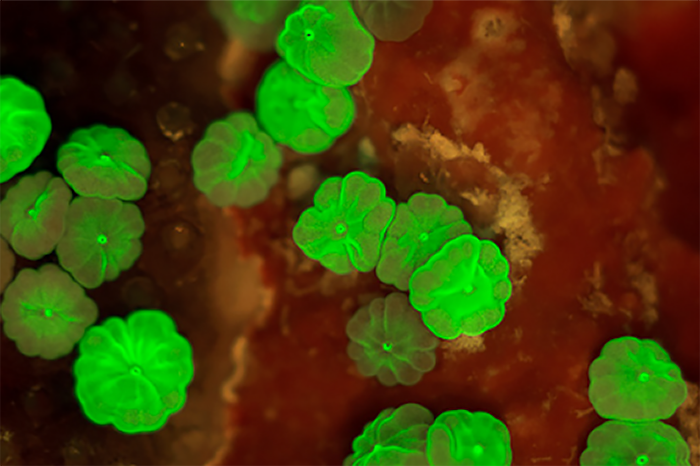
NOAA has invested in 23 small businesses developing innovative technologies in technical areas including climate adaptation and mitigation, weather-ready nation, healthy oceans, and resilient coastal communities and economies.
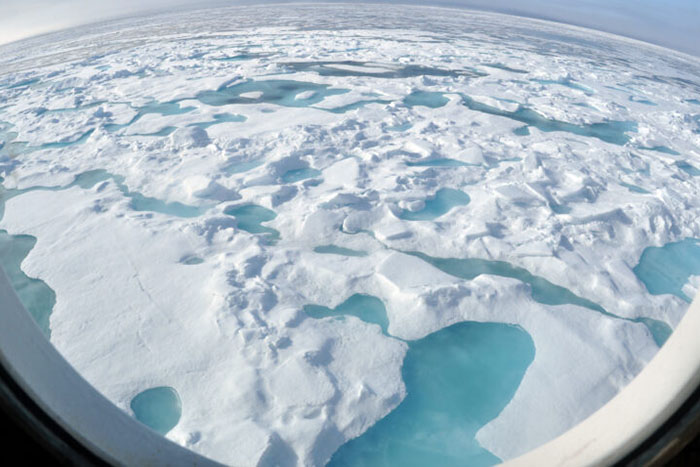
Multidecadal variability of Atlantic Meridional Overturning Circulation (AMOC) has been reconstructed by proxies, simulated in climate models, and linked to Arctic salinity variability. Still, some aspects of the AMOC have eluded understanding from a theoretical perspective. A new model may help.
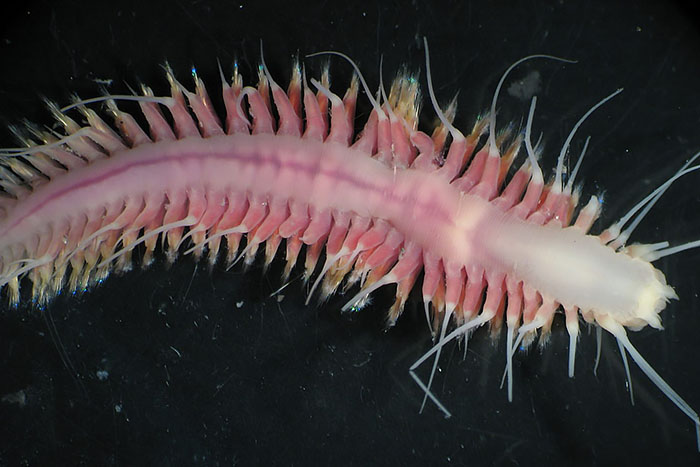
Methane ice, or methane hydrates, represent vast reserves of natural gas, which can play a part in global carbon cycling and climate change. Methane hydrates have eerie inhabitants, and a new paper describes the worms’ microbial diversity for the first time.