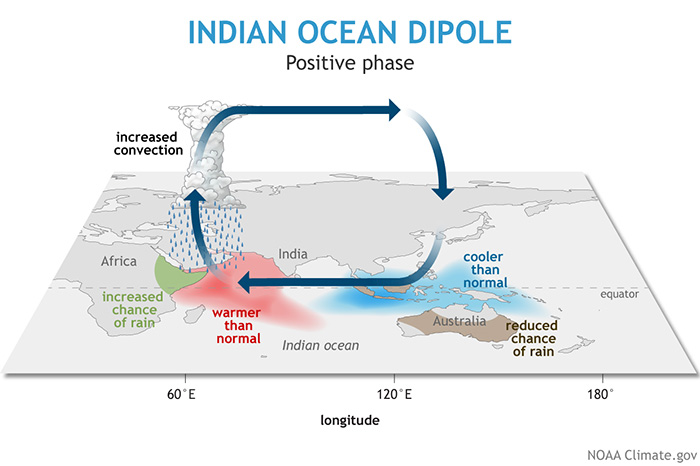
Called El Niño’s little brother, Atlantic Niño is the Atlantic equivalent of El Niño-Southern Oscillation (ENSO). New research finds that Atlantic Niño can be induced by the Indian Ocean Dipole, independent of ENSO activity.
Called El Niño’s little brother, Atlantic Niño is the Atlantic equivalent of El Niño-Southern Oscillation (ENSO). New research finds that Atlantic Niño can be induced by the Indian Ocean Dipole, independent of ENSO activity.
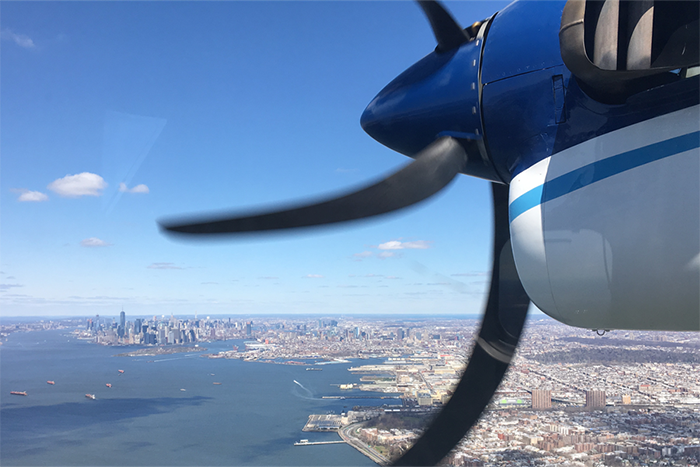
Top-down, atmospheric measurement-based estimates of natural gas emissions across US cities are 2 to 10 times higher than estimates from current bottom-up emission inventories. Current policy aimed at curbing emissions at the pipeline level may not effectively mitigate future methane concerns.
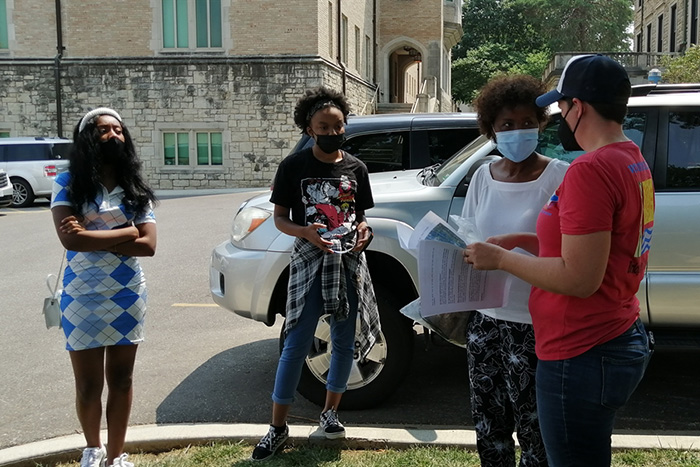
NOAA and the Climate Resilience Fund have announced results of the 2021 competitive grants program supporting projects that will help communities build resilience to the impacts of climate change. Projects focus on four priorities: diversity, equity and inclusion; nature-based solutions to climate change; finance-ready planning; and measures of success.
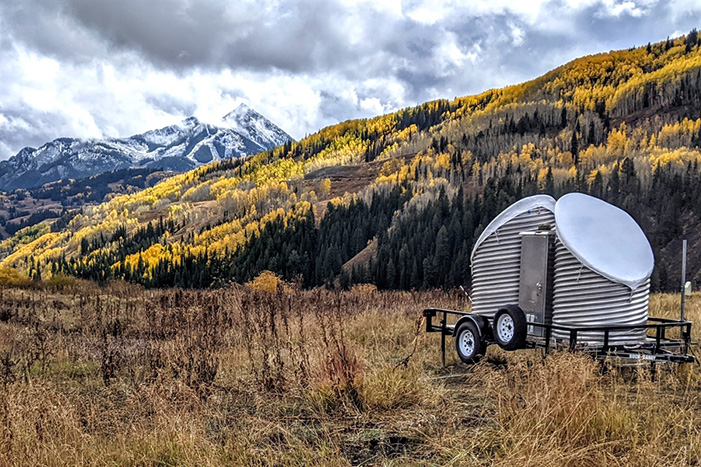
NOAA scientists have installed a state-of-the-art observing network in a remote basin near Crested Butte to study how precipitation forms in complex, high-altitude terrain. Their goal: improving weather and river flow prediction in a watershed critical to the region’s water supply

A geoengineering technique called marine cloud brightening could help clouds reflect more sunlight by injecting them with salt particles, thereby cooling the planet. But a new study finds the technique has to get everything exactly right to work, and may not work at all.
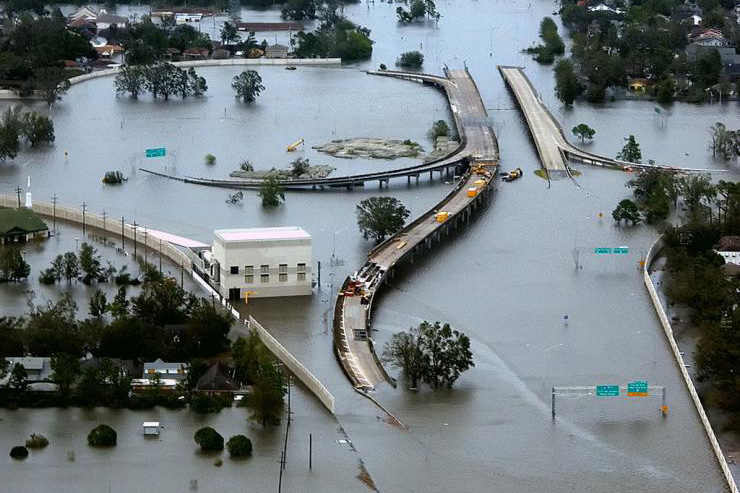
NOAA’s Climate Program Office (CPO) has announced a total award amount of $171 million, the highest five-year investment in the program’s history, to support innovative and impactful projects to improve our nation’s climate resilience.
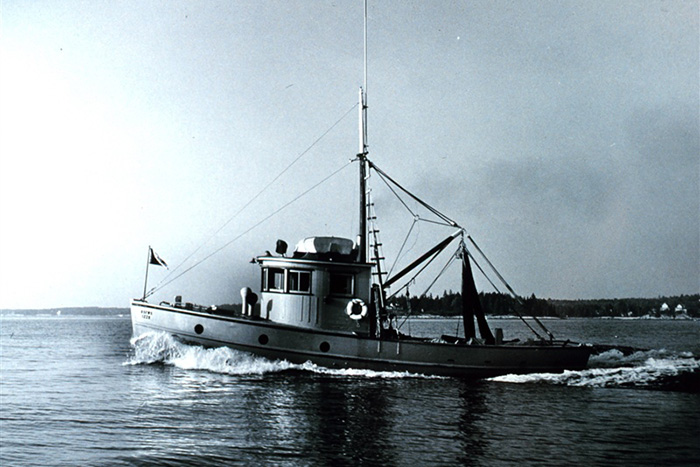
Modelers are working to better understand climate drivers of ecosystem uncertainties in Earth system models used in fishery management.

On October 5, 2021, retired former NOAA scientist Syukuro “Suki” Manabe was awarded the Nobel Prize in physics for his contributions to climate science.
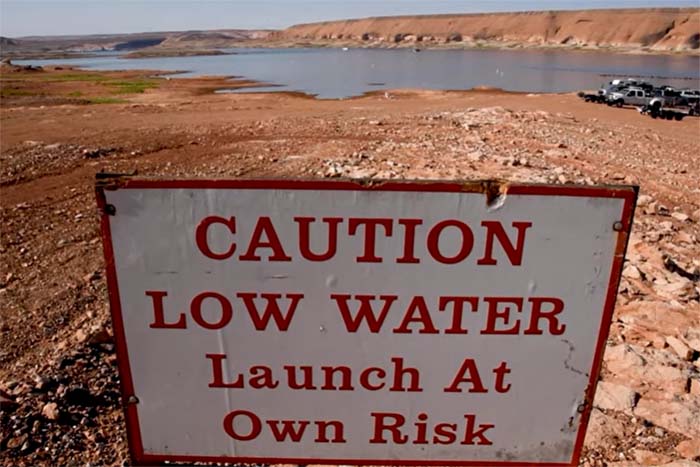
A new video by the National Integrated Drought Information System (NIDIS) shows how drought is changing daily life in the southwestern United States.
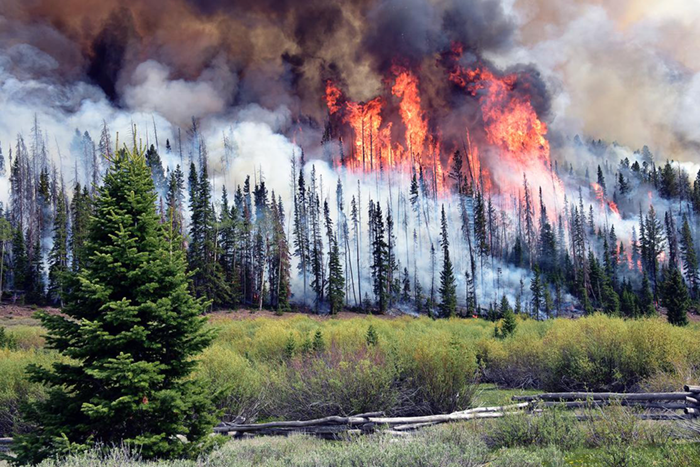
Wildfires emit short-lived, nitrogen-containing gases that can contribute to air-quality issues. Modeling these gases has been difficult because their chemical reactions are rapid and spatially dispersed. A new field campaign studies the reactions to improve models.