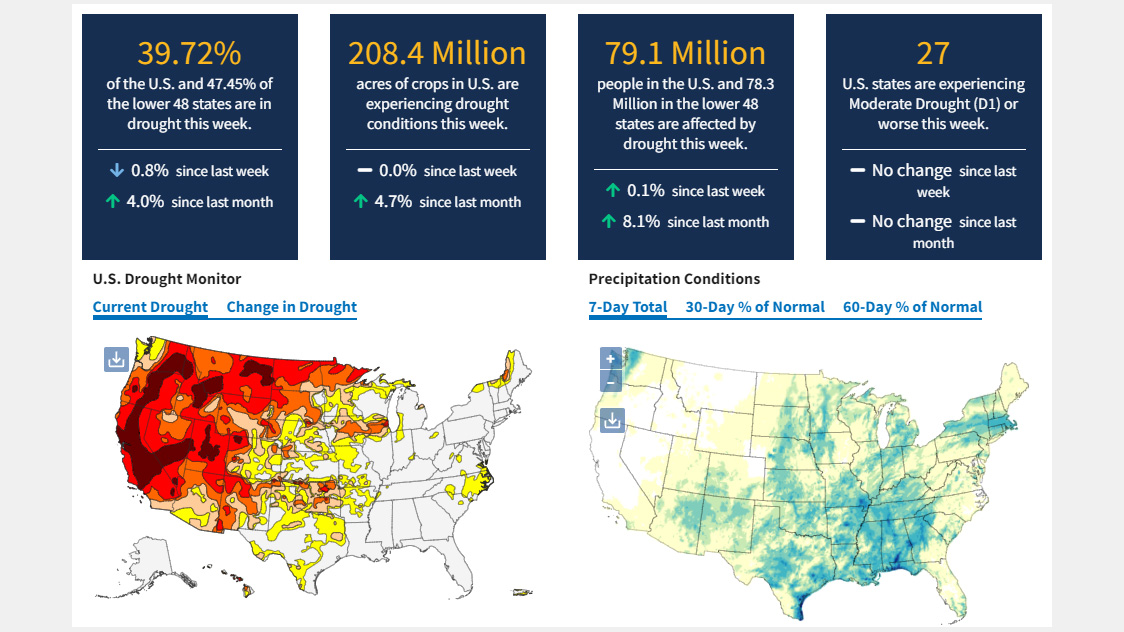
Putting your cursor on the data you want isn't always easy. For instance, when you want a data table of temperatures, you may only find a map or graph. Similarly, you might want climate data for a specific state, but you can only find global or country-based data. Still other times, you might feel like you've found what you want, but the data access interface is more complex than you anticipated, or the file formats are unfamiliar.
Maps & Data
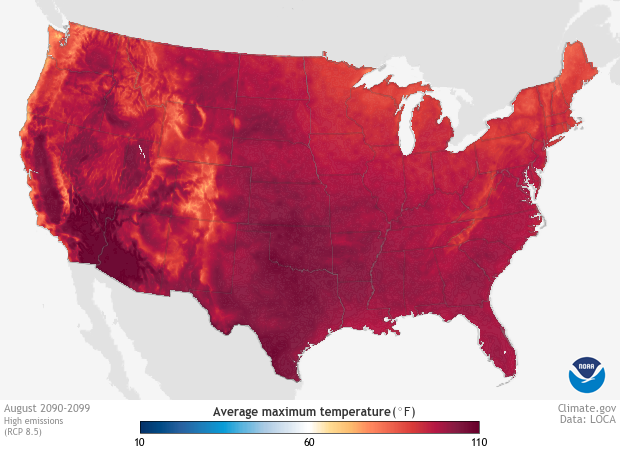
Global climate is changing. Our future climate will certainly be different than our present climate. Where, when, and how rapidly these changes will take place is still a matter of scientific study.
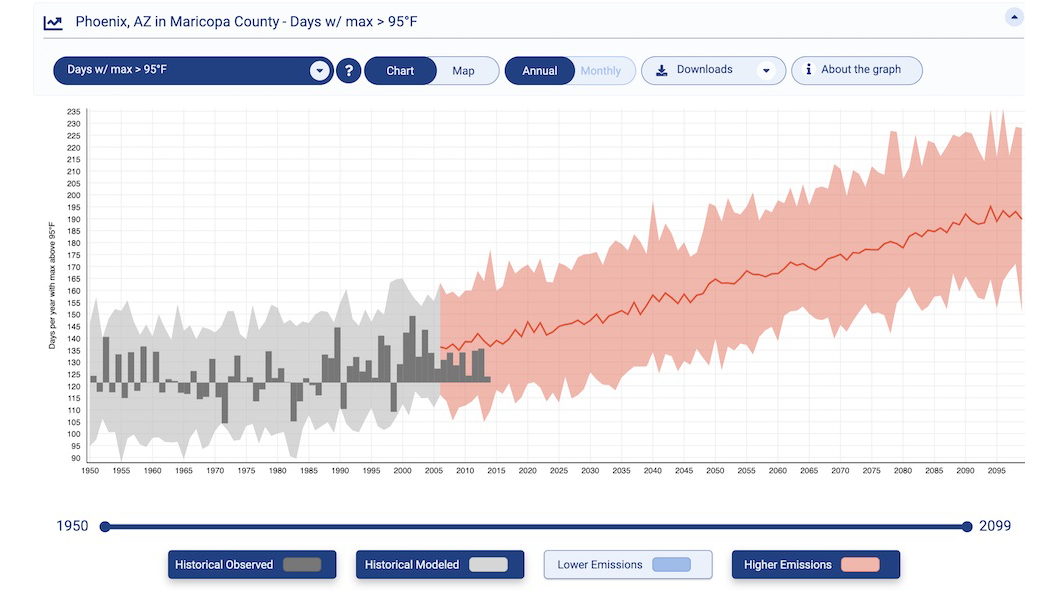
Check future climate projections for any county in the United States. View graphs or maps to compare future projections with observations from the recent past.
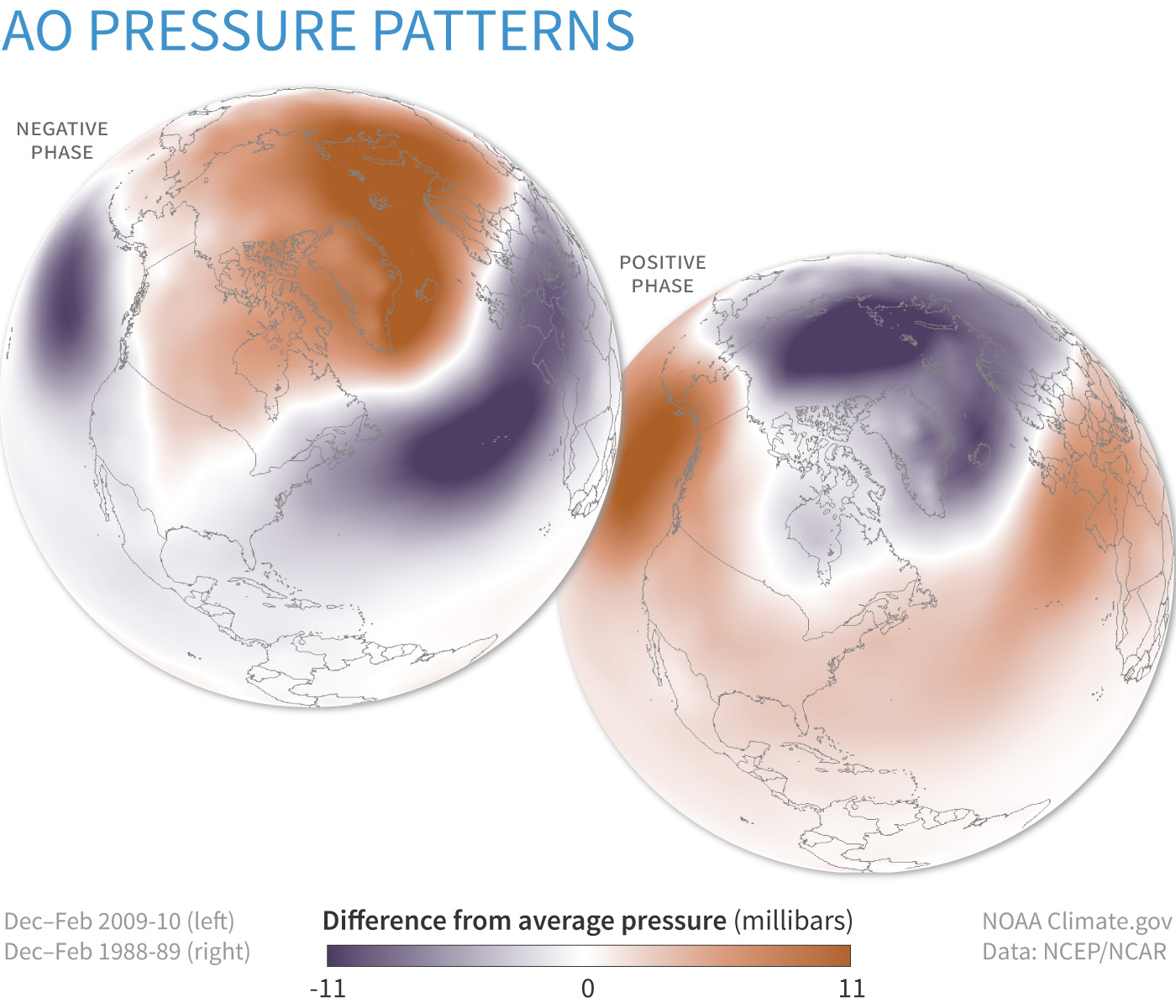
This index tracks back-and-forth shifts in air pressure between the Arctic and the mid-latitudes of the Pacific and Atlantic Oceans.
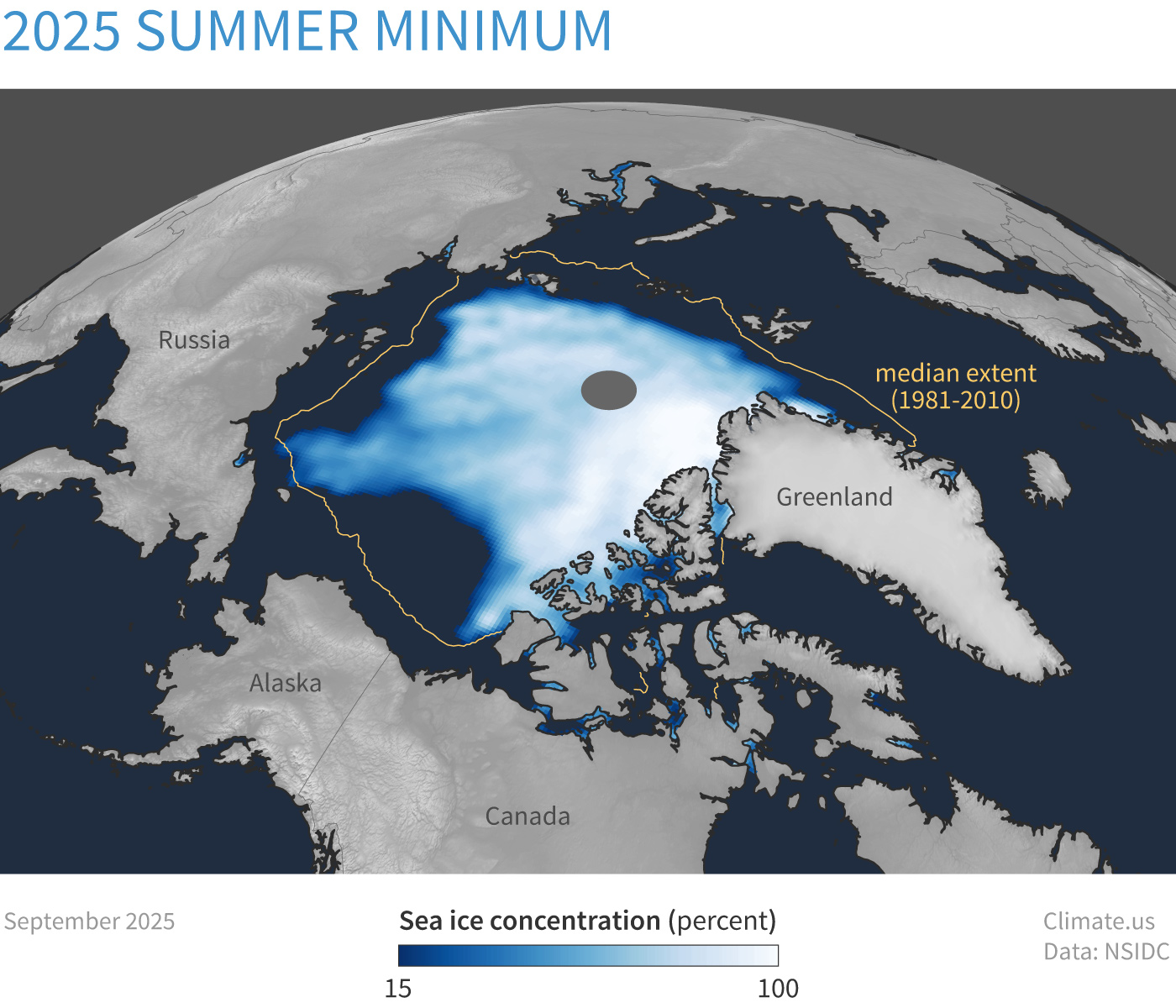
Since 1979, the extent of ice covering the Arctic Ocean at the end of summer has shrunk nearly 45 percent.
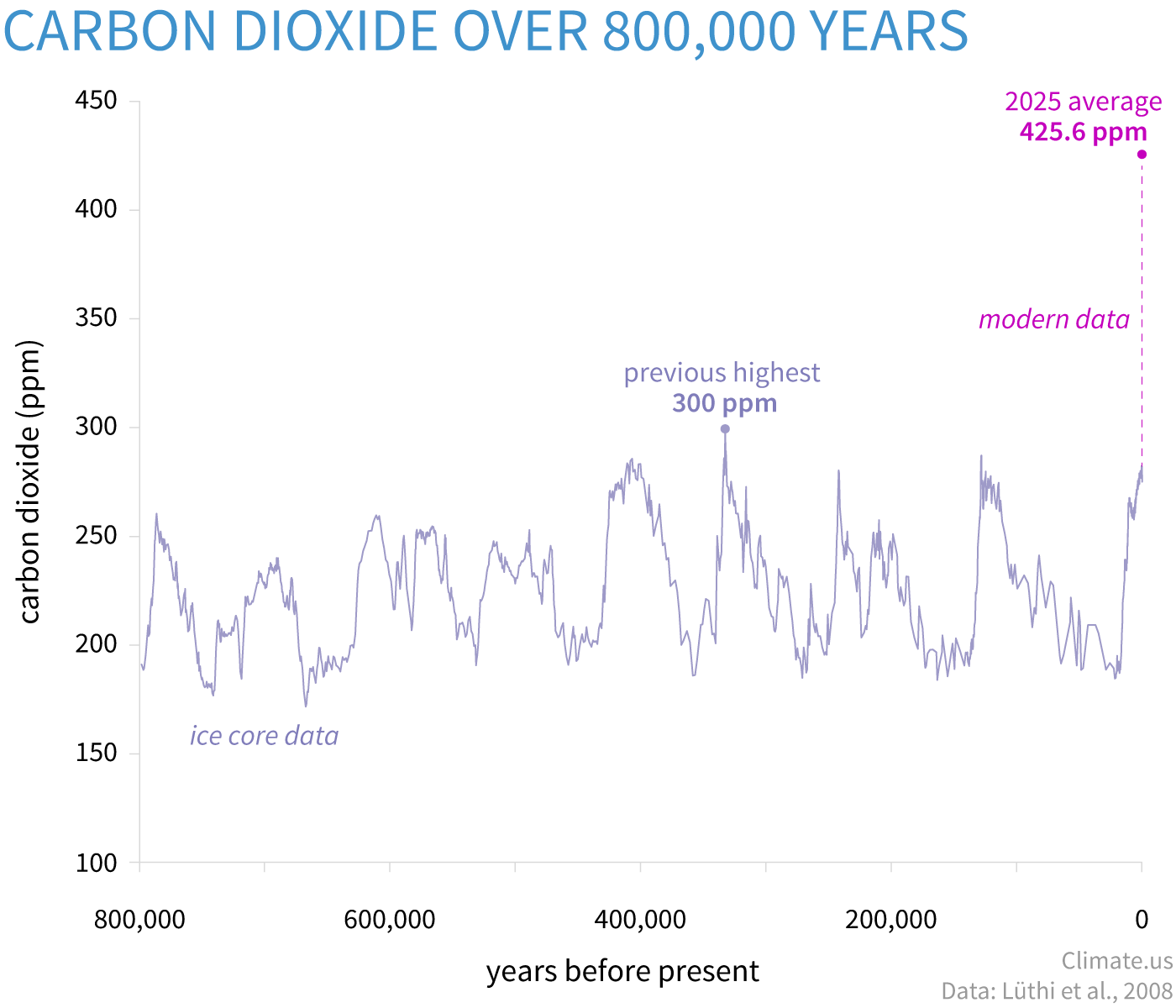
Atmospheric carbon dioxide has risen more than 50 percent since people began burning fossil fuels for energy.
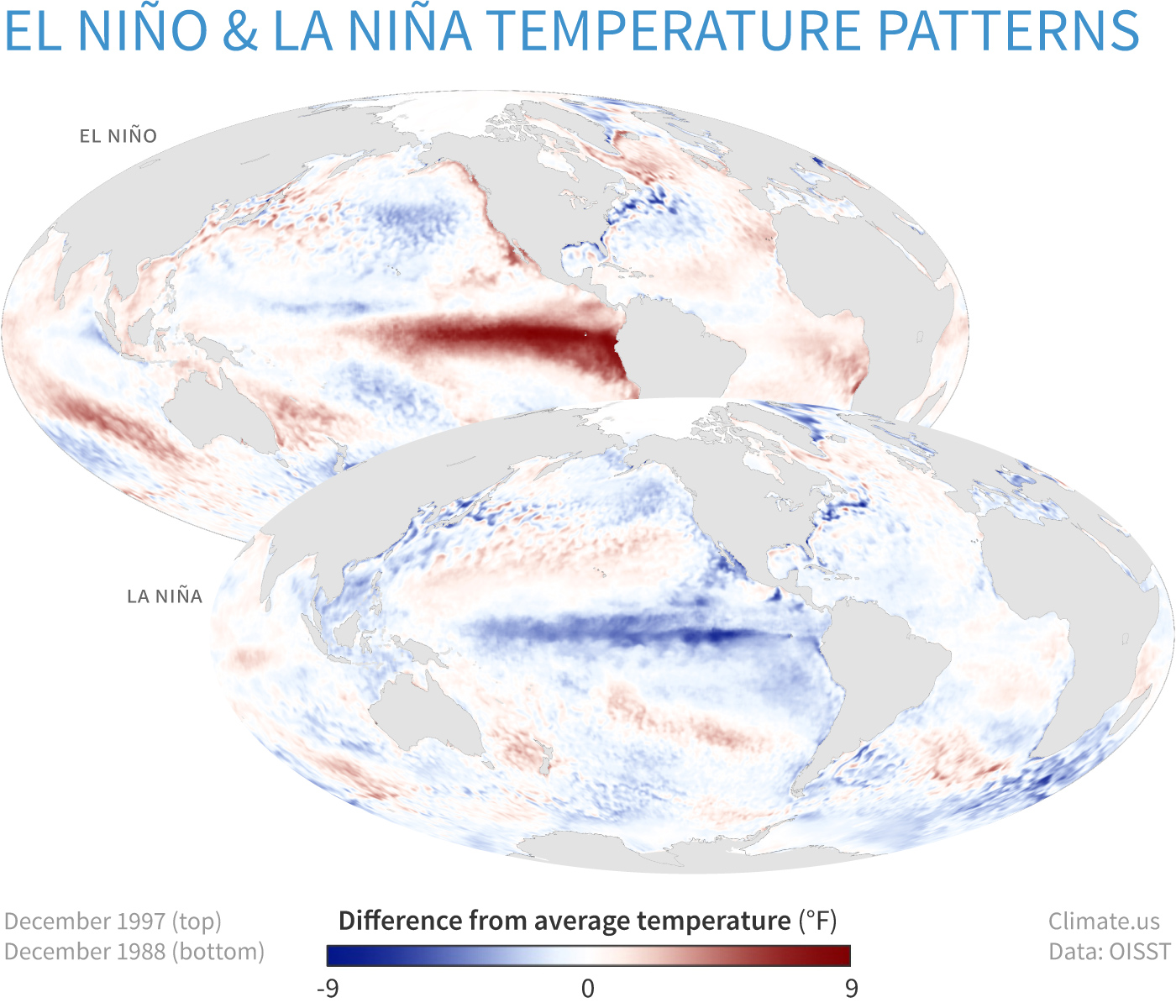
The relative Oceanic Niño Index tracks warming or cooling of the central tropical Pacific Ocean, one indicator of El Niño and La Niña.
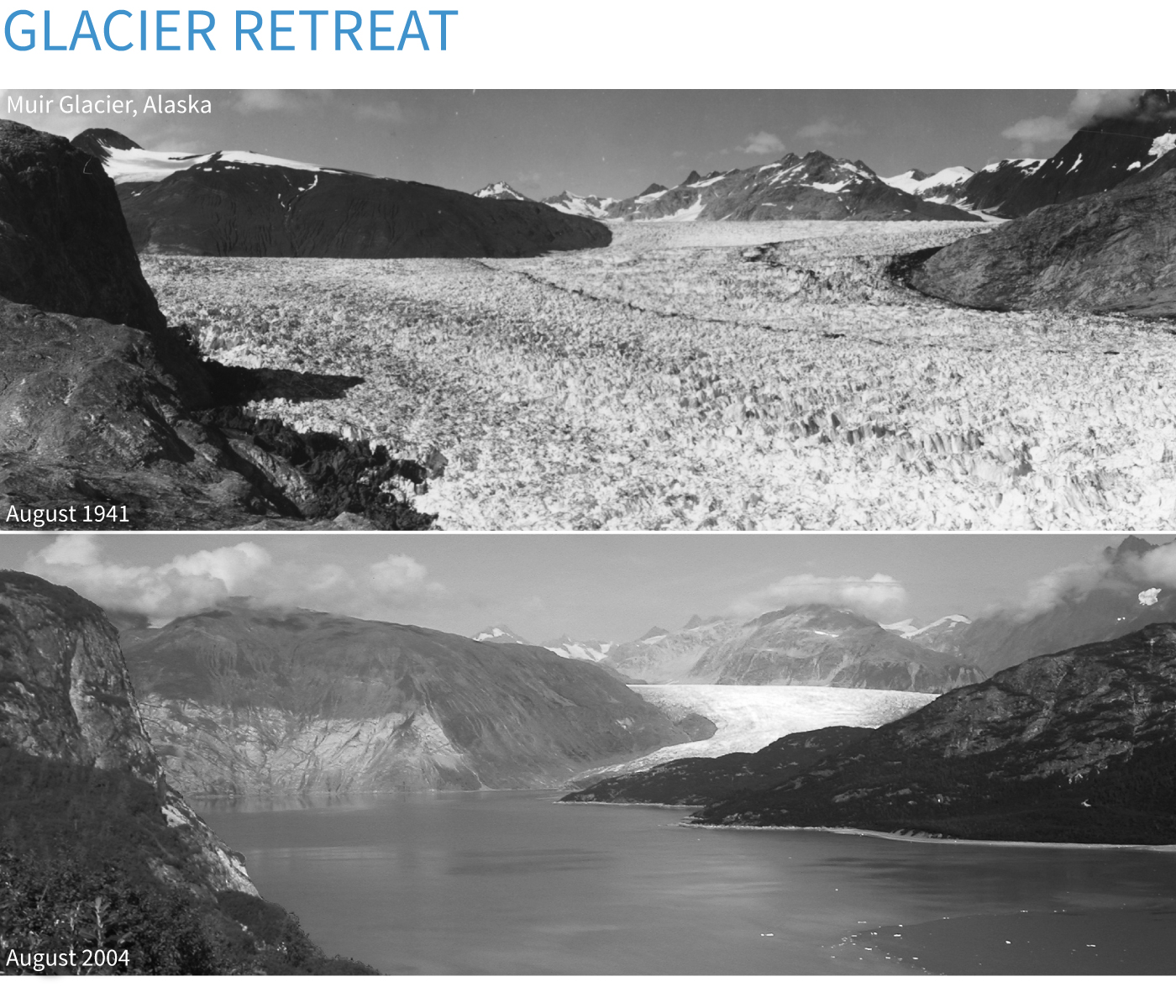
The glaciers in a key reference network lost an average thickness of just over 100 feet between 1970 and 2025.
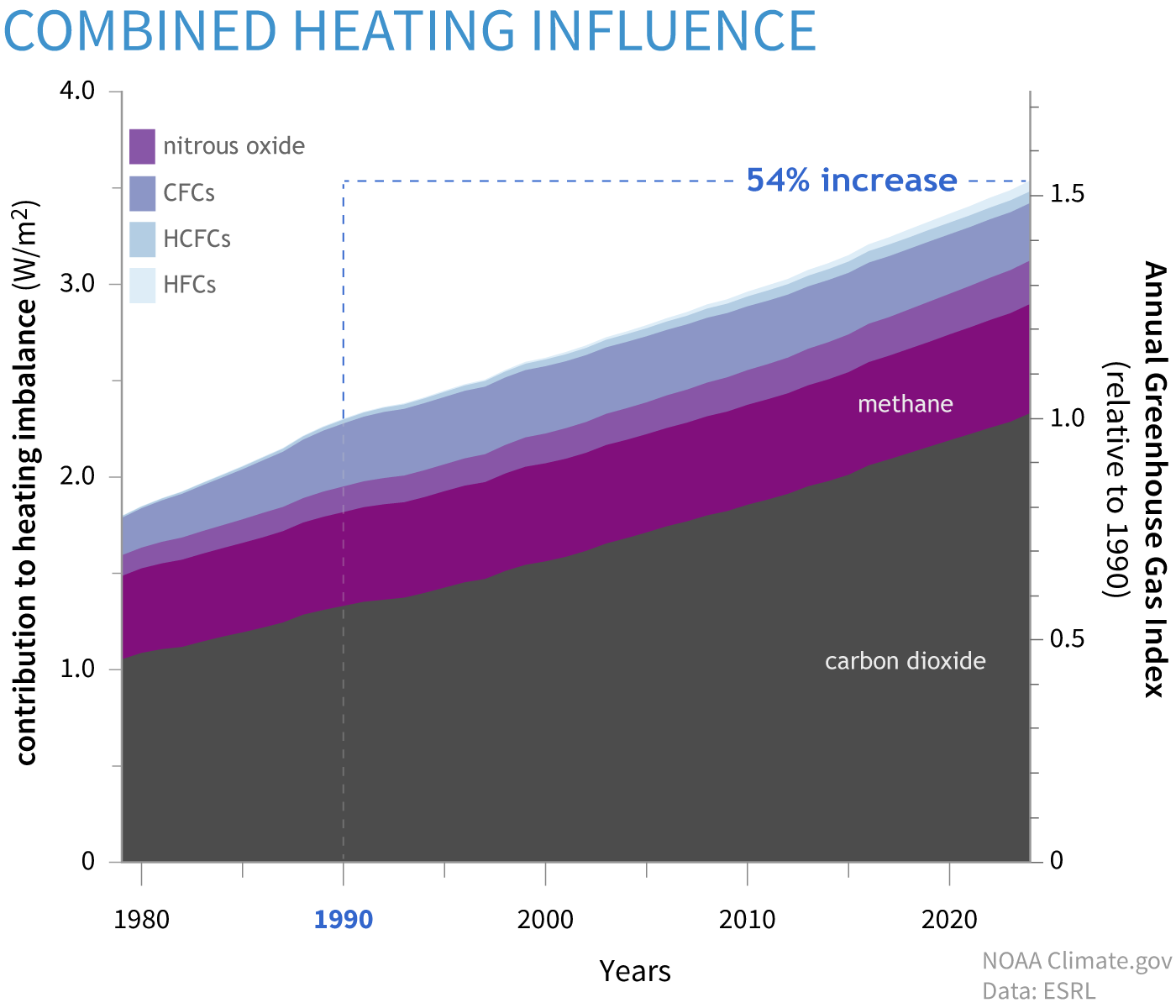
The heating influence of all human-produced greenhouse gases was 54 percent higher in 2024 than it was in 1990.
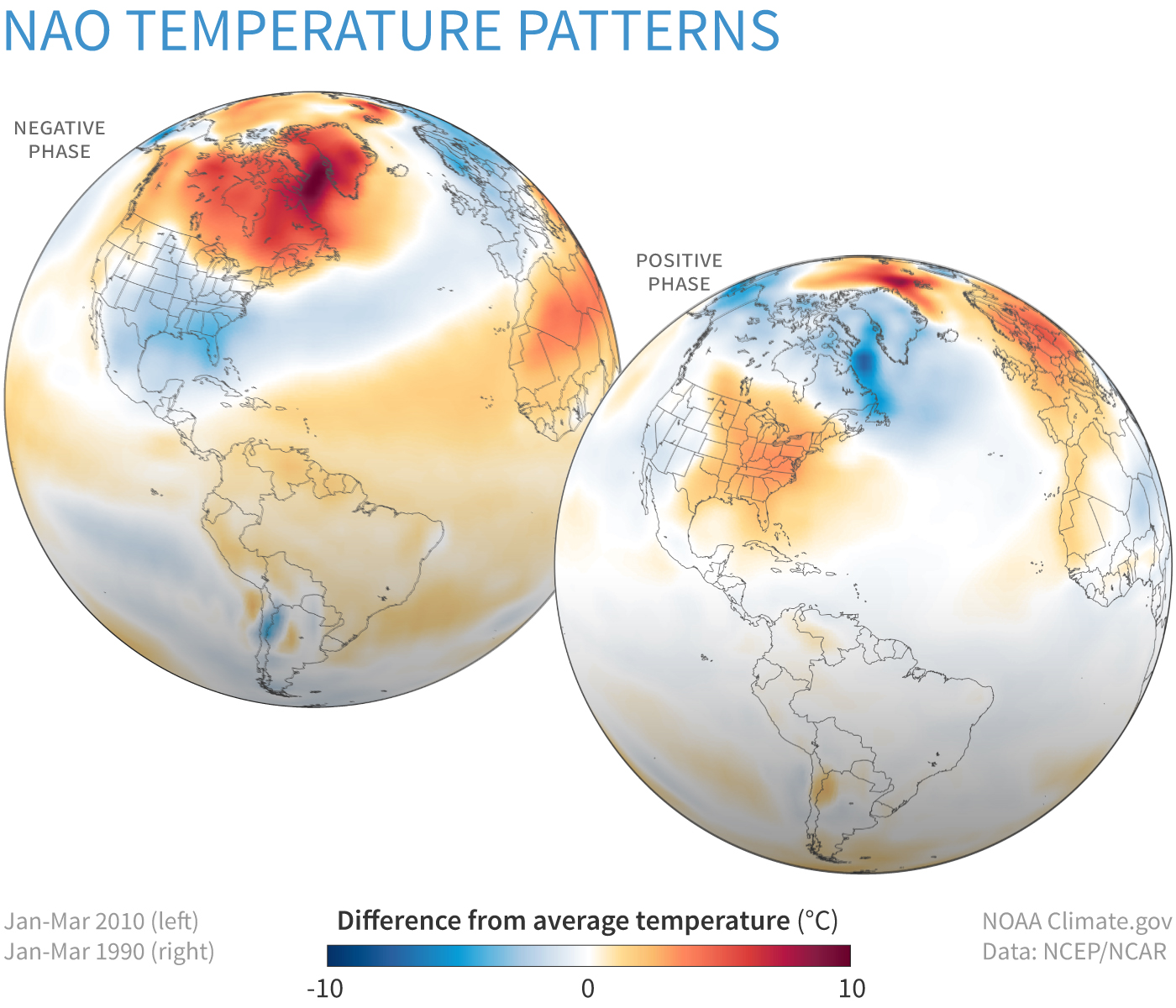
The North Atlantic Oscillation (NAO) index tracks changes in pressure patterns and the jet stream in the North Atlantic.