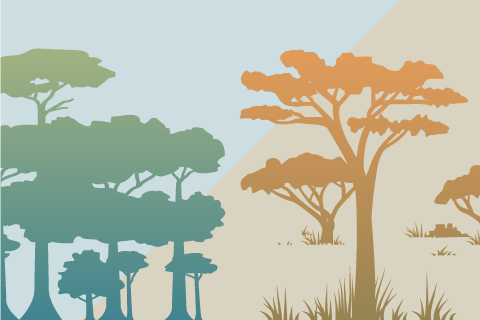
Plants on land have helped slow global warming by capturing nearly a quarter of the carbon dioxide that human activities release in an average year. But where is it all going?
Plants on land have helped slow global warming by capturing nearly a quarter of the carbon dioxide that human activities release in an average year. But where is it all going?

Think 115°F is uncomfortably hot? Imagine it being incredibly humid as well.

ENSO forecasters are predicting this El Niño will be a strong one. What does that mean?

NOAA is helping the CDC build a new heat-health information system to help protect Americans from sweltering summers.
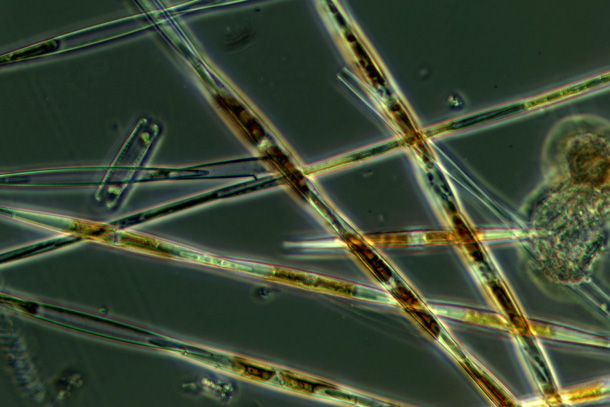
From Alaska's Aleutian Islands to southern California, impacts since May have ranged from record-high concentrations of neurotoxins, to shellfish harvesting bans, to reports of sick and dead ocean life.

Last July, Lake Mead hit a new record low. How is the lake handling the summer so far?

Part science expert, part ringmaster, Jessica Blunden shares the challenges and the value of putting together the State of the Climate report every year.
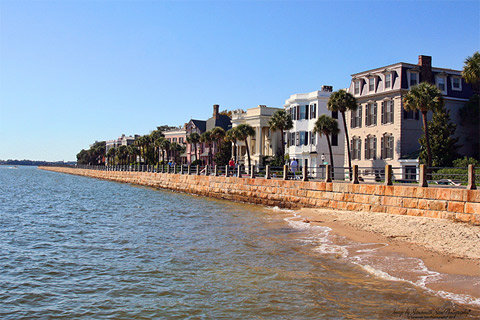
Several times per year, seawater floods some of the streets in Charleston, South Carolina. Taking steps to deal with this "nuisance" flooding can help the city prepare for sea level rise.
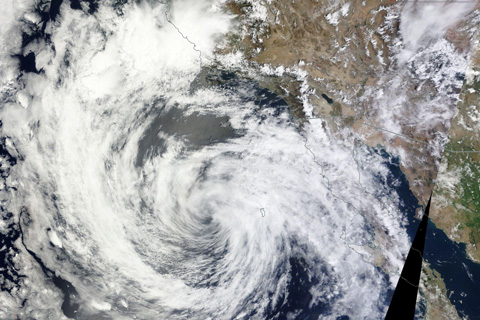
Dangerous flooding amidst a record drought? Just call it another week in California.
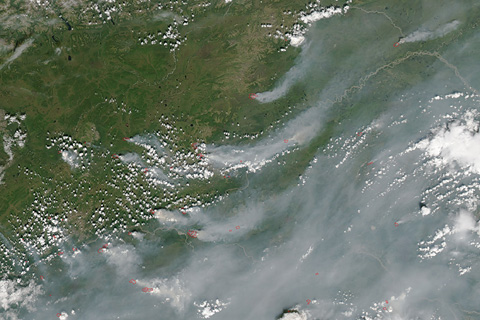
Hot and dry are the perfect ingredients for wildfires, and the recipe was on the menu across western North America in 2015.