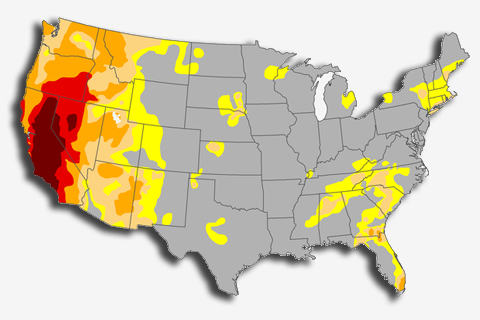
The June round of our “Climate Challenge” social media game pitted experts against players to answer the following question: What percent area of the United States will be in severe drought or worse in June 2015?
The June round of our “Climate Challenge” social media game pitted experts against players to answer the following question: What percent area of the United States will be in severe drought or worse in June 2015?
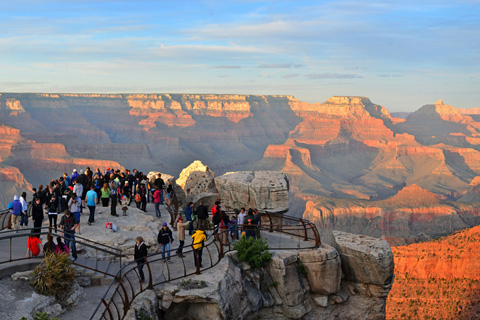
Will global warming cause tourism at U.S. National Parks to warm up or overheat?
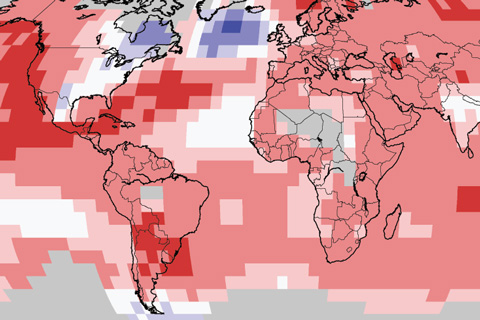
Global temperatures so far this year are record-warm. And aside from eastern North America, we were all in it together.
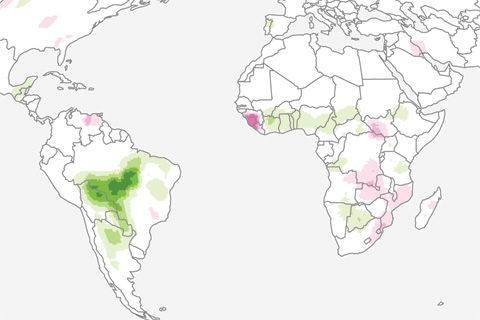
Globally, carbon emissions from fires were near the long-term average in 2014, but North America's emissions were 70% higher than average.
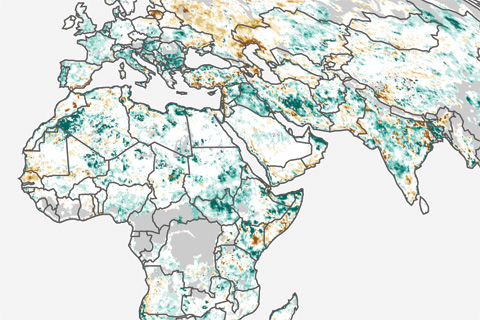
While slightly wetter than 2013, the global average soil moisture in 2014 was near-normal.
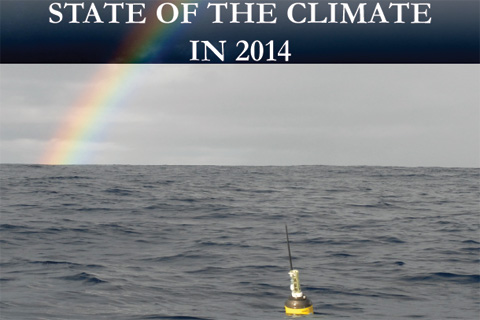
The annual State of the Climate reports involve more than 400 international authors from more than 50 countries. Two chapter authors reflect on what it means to play a part in such an ambitious report.
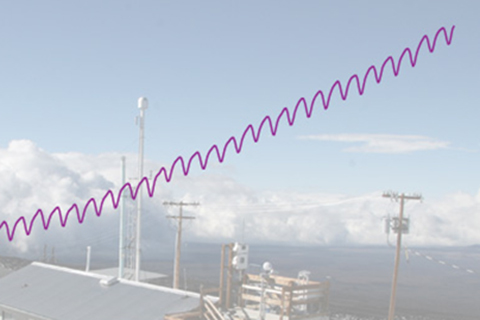
Scientists estimated global average carbon dioxide concentration at 397.2 parts per million (ppm) in 2014, as the global growth rate of carbon dioxide continues to accelerate.
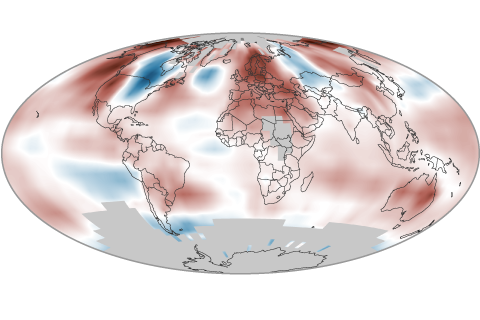
Depending on the data set, 2014 was either the warmest or tied-for-warmest year since records began in the mid-to-late 1800s.
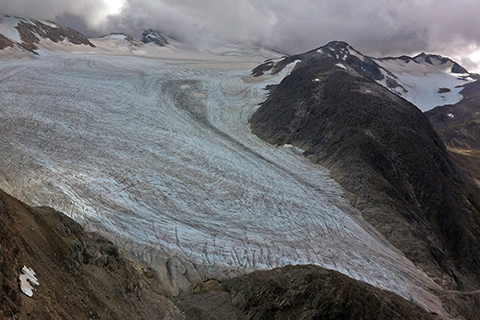
Worldwide in 2014, three dozen reference glaciers experienced an average mass loss equivalent to of 853 millimeters of water equivalent in 2014.
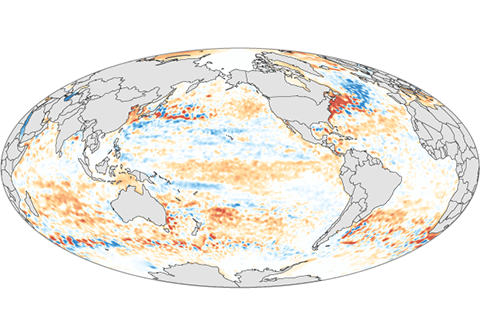
In 2014, the upper ocean held more heat than average throughout most of the major ocean basins.