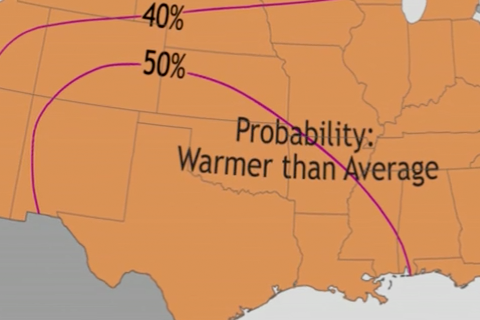
The Spring Outlook encompasses temperature, precipitation, drought, and flooding expectations for the coming three months, and Mike Halpert, Acting Director of the Climate Prediction Center, discusses the outlook and its implications.
The Spring Outlook encompasses temperature, precipitation, drought, and flooding expectations for the coming three months, and Mike Halpert, Acting Director of the Climate Prediction Center, discusses the outlook and its implications.
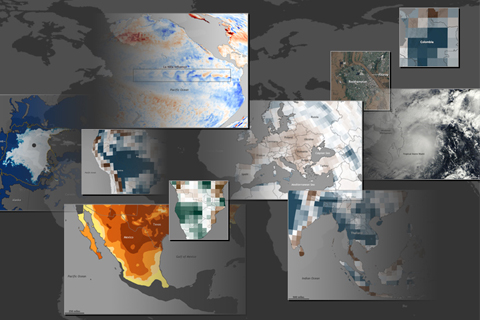
According to NOAA scientists, 2011 was a record-breaking year for climate extremes, not just in the United States, but around the world. Here's an illustrated guide to the year's top ten global climate and weather events.
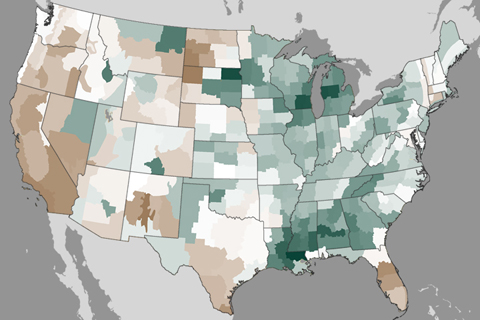
Winter storms in February improved drought in the Southeast and Midwest, but well below average precipitation in parts of the West in recent months has worsened drought in other places.
Deke Arndt, Chief of the Climate Monitoring Branch at the National Climatic Data Center, discusses snowpack in the mountainous western United States from December 2012 through February 2013.
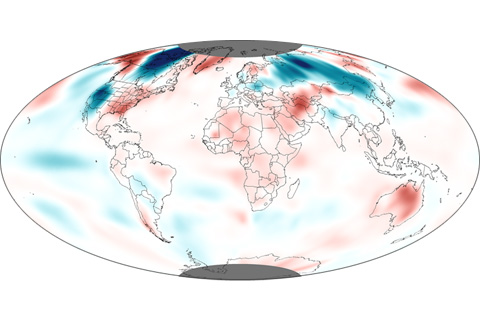
January 2013 was the 37th consecutive January and 335th consecutive month with a global temperature above the 20th-century average. The last below-average January was in 1976.
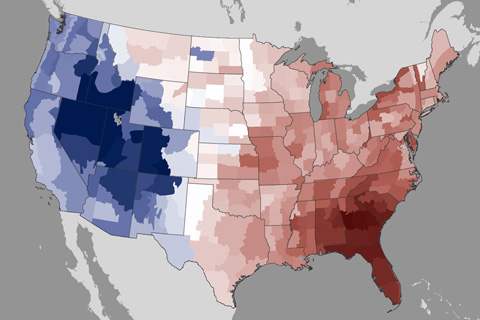
Despite several snowstorms associated with cold-air outbreaks, average January temperatures across the contiguous United States weren’t especially cold according to the latest statistics from NOAA’s National Climatic Data Center. Although the average temperature was spot-on freezing—32.0° Fahrenheit—that was still 1.6° Fahrenheit warmer than the twentieth-century January average.
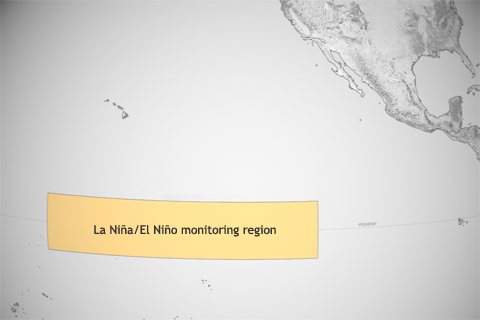
As the whole ocean gets warmer, NOAA scientists must redefine what they consider “average” temperature in the central tropical Pacific, where they keep watch for El Niño and La Niña.
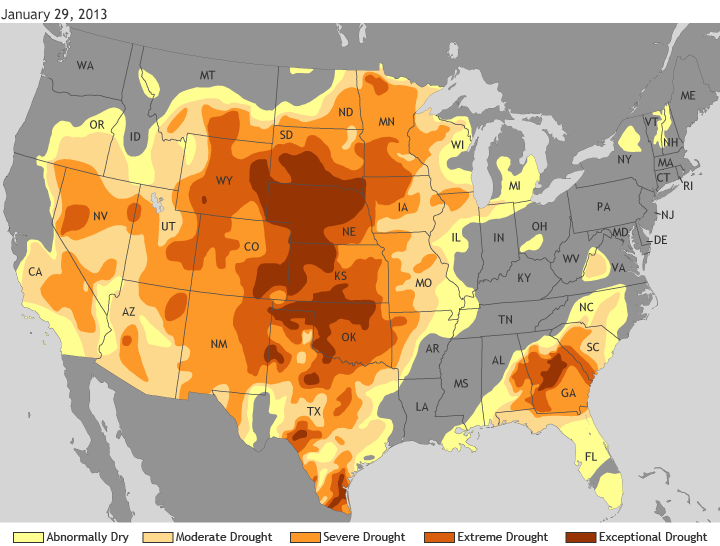
According to the U.S. Drought Monitor, an estimated 58 percent of the contiguous United States was in some level of drought as of January 29, with an additional 12 percent in the “Abnormally dry” category.
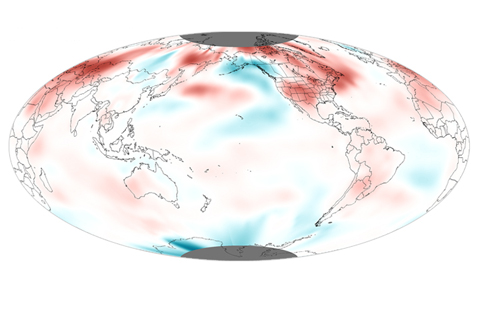
Although 2012 warmth did not top the charts, it was the third warmest “La Niña year” on record.
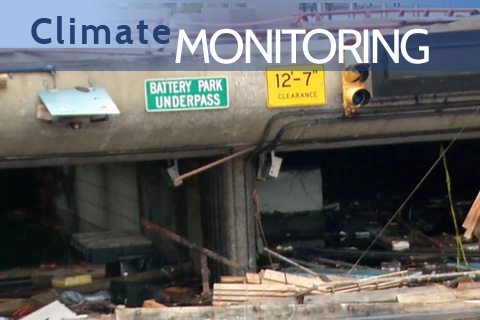
Drought, cold, and massive storms were among the devastating climate-related events that struck the United States in 2012. These events were incredibly destructive and disruptive for people across the country.