"Climate Science 101" short course sponsored jointly by the Osher Lifelong Learning Institute (OLLI), at George Mason University, and NOAA.
"Climate Science 101" short course sponsored jointly by the Osher Lifelong Learning Institute (OLLI), at George Mason University, and NOAA.
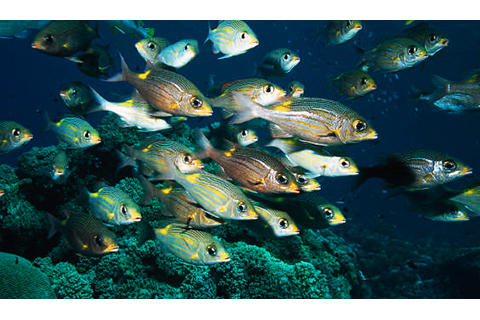
Humans currently release about 70 million tons of carbon dioxide every day into the atmosphere and about 20 million tons is being absorbed regularly by the oceans, causing the pH to drop. Chris Sabine describes current and projected future impacts of this acidification on marine ecology.

Social scientist and communication expert Mathew Nisbet makes the case that endless debates about whether or not global warming is really happening have grown stale and miss the point entirely. Shouldn't we be talking about how society can leverage climate science in ways that save lives and natural resources and create new markets for jobs and services?
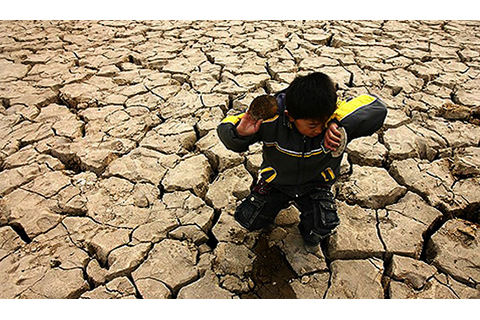
Climate scientist Michael MacCracken explores some of the scientific, legal, and ethical implications of "geo-engineering" options that have been proposed by some people to address global climate change.
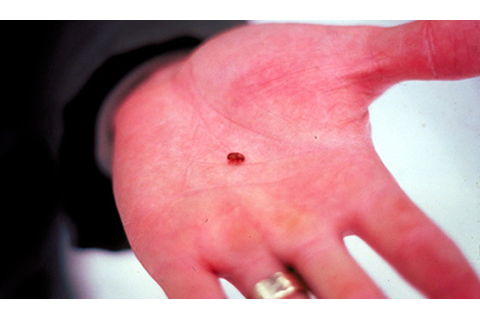
Climate scientist Anthony Janetos makes it clear that climate change isn't some future abstraction: real and substantial impacts on people's lives, the economy, the environment, and our valuable natural resources are already happening here in the United States.

James Roger Fleming presents a historical perspective on how our understanding of Earth's climate system developed through innovations and discoveries by pioneering scientists in the 1800s and 1900s who asked and answered fundamental questions about the causes and effects of global climate change.

Claudia Mengelt and Robert Fri talk about strategies for adapting to and reducing global climate change.
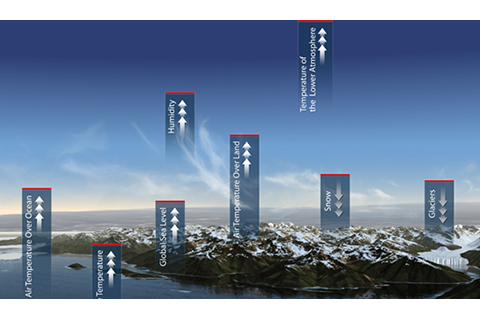
Deke Arndt, chief of NOAA's Climate Monitoring Branch, presents the preponderance of scientific evidence that climate change is occurring and that humans are the primary cause.

Although they are related, meteorology and climatology have important differences, particularly in how scientists develop and use weather and climate models. What makes climatologists think they can project climate scenarios decades into the future when meteorologists cannot accurately predict weather more than two weeks in advance? This presentation by Wayne Higgins of NOAA's Climate Prediction Center clarifies the relationships and differences between weather and climate, as well as the differences between natural climate variability and human-induced climate change.
Jim Wilczak describes the information NOAA provides to guide optimal wind energy development.