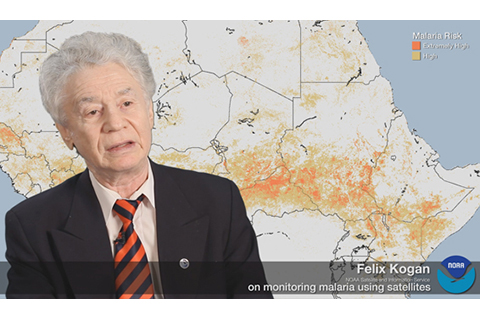
Felix Kogan talks about using satellites to observe and forecast the climate conditions that lead to mosquito–and malaria–outbreaks.
Felix Kogan talks about using satellites to observe and forecast the climate conditions that lead to mosquito–and malaria–outbreaks.
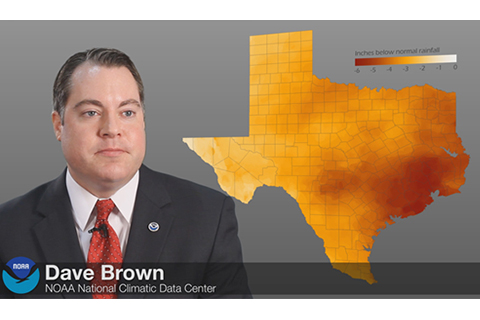
The ongoing drought of 2011-2012 has been front and center for people in the southern United States, including the southwestern United States. Dave Brown, Director of Climate Services for the Southern Region through NOAA's National Climatic Data Center, speaks about the causes, impacts, and outlook for this widepread climate event.
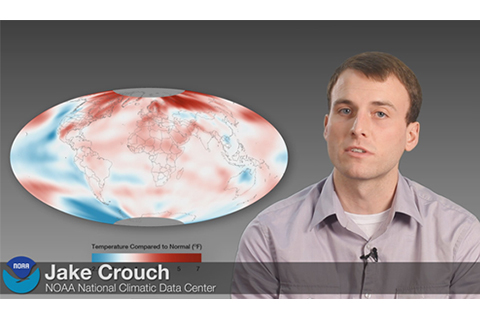
Jake Crouch of the National Climatic Data Center recaps the temperature patterns of 2011, emphasizing the much greater than average warmth across Arctic latitudes and the influence of La Niña in the tropical Pacific.
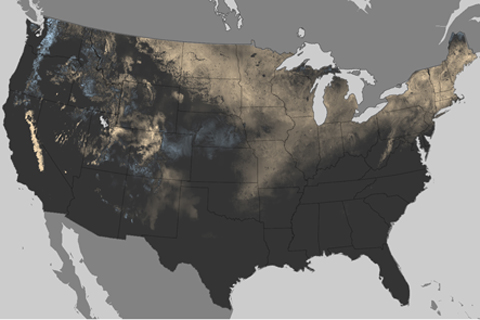
Last year on Groundhog’s Day, large swaths of the country were covered in two feet of snow or more after a large storm pounded the eastern United States. This year, Punxsutawney Phil emerged from his den on a balmy day after the third-least snowy January on record. A comparison of snowfall (or lack thereof) so far this season to last year's winter white-out shows what a difference a year makes.
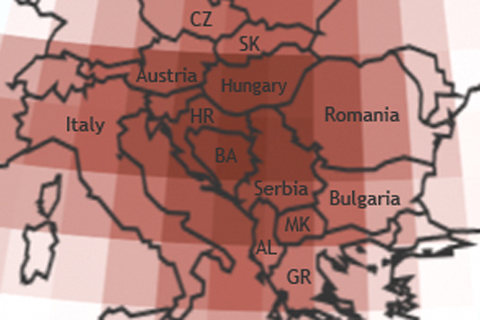
During the third week of August, portions of southern Europe and western Russia experienced a heat wave. Temperatures skyrocketed near 90 to over 100°F over several consecutive days, prompting emergency heat alerts.
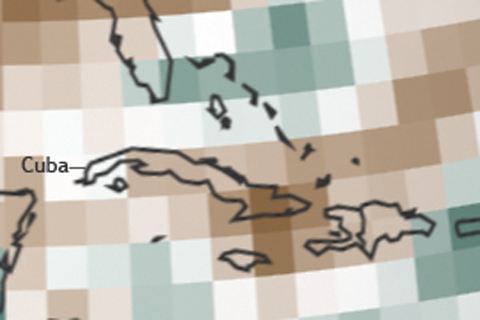
Cuba experienced extreme drought conditions in 2011, marking one of the driest years in the nation’s history and causing serious shortages in water supplies.
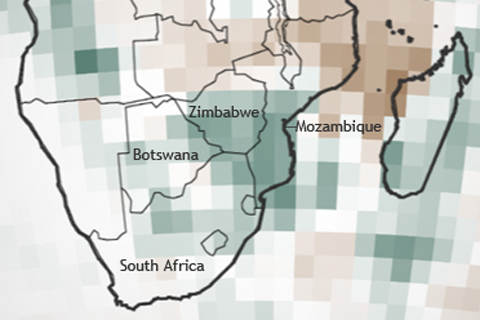
Amid months of persistent heavy rains, some areas in Zimbabwe received their heaviest rainfall in 30 years during January, causing flooding and damage to crops.
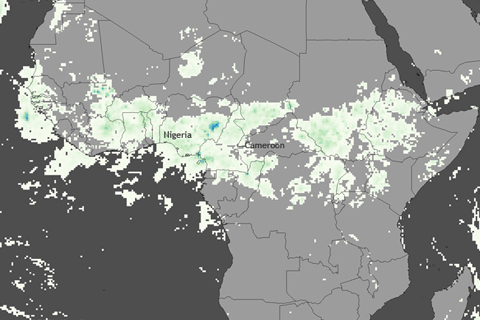
In August 2011, over seven inches of rain fell in a six-hour downpour in southwestern Nigeria. The torrential rains caused flooding and damage to infrastructure, buildings, and homes.
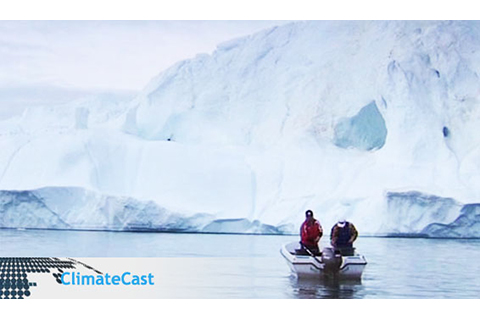
This year’s Arctic Report Card emphasizes that climate change is more prominent in the Arctic than at lower latitudes.
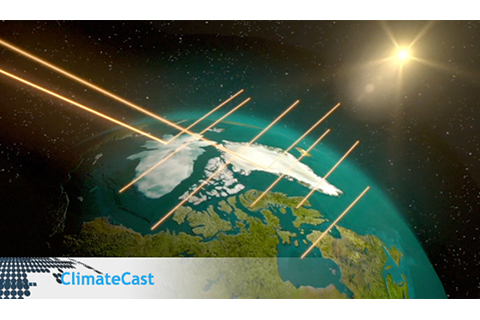
Jackie Richter-Menge describes the "Arctic amplification" phenomenon: how the loss of Arctic sea ice leads to further warming.