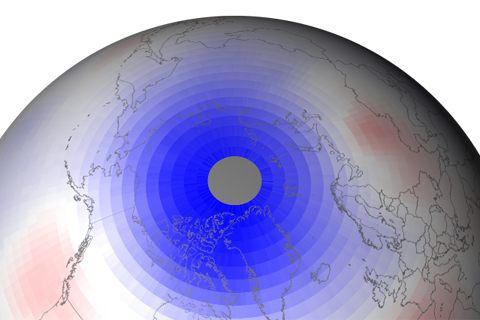
Compared to the large ozone hole that forms over Antarctica each year, Arctic ozone loss has generally been much more limited. But in 2011, Arctic ozone declined to surprisingly low levels. What did climate have to do with it?
Compared to the large ozone hole that forms over Antarctica each year, Arctic ozone loss has generally been much more limited. But in 2011, Arctic ozone declined to surprisingly low levels. What did climate have to do with it?
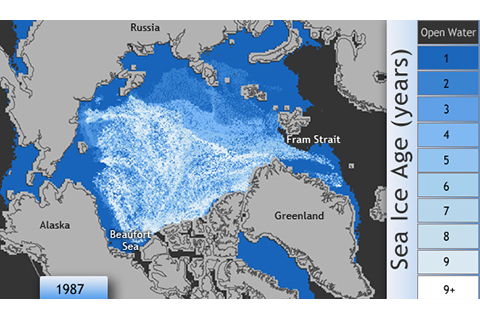
In the mid-1980s, the winter sea ice pack in the Arctic was dominated by multi-year ice—ice that had survived at least one summer melt. Today, less than half of the sea ice at winter maximum has survived at least one summer.
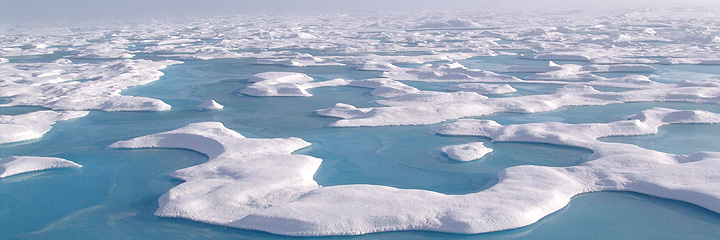
The low ice extent recorded this September continued the downward trend seen over the last 30 years. Meanwhile, scientists are finding that the ice cover has grown thinner, making it more vulnerable to melting during the summer.
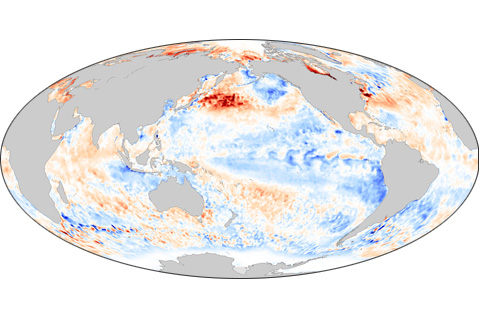
Following a brief interlude of “neutral” sea surface temperature conditions this summer, La Niña has returned to the tropical Pacific Ocean. The cool phase of the El Niño-Southern Oscillation climate pattern is expected to persist through winter.
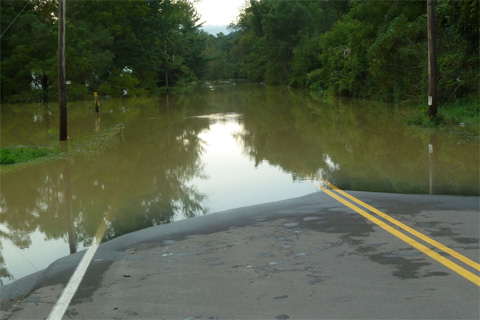
The remnants of Tropical Storm Lee brought record rainfall amounts to the East Coast in the first week of September, swelling rivers and forcing evacuations in some areas of Pennsylvania and New York.
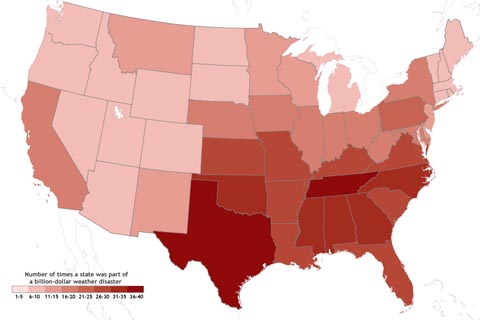
Population and development conspire with regional climate patterns to concentrate the country's most expensive weather disasters in the U.S. South and Southeast.
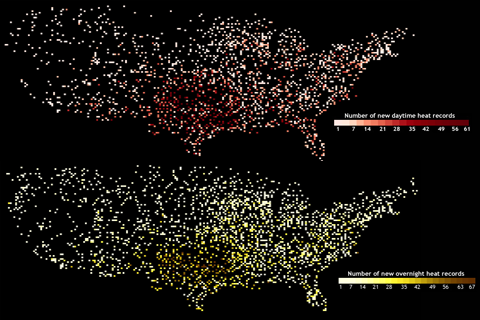
Maps of locations where heat records were broken in summer 2011 make a nearly complete picture of the United States.
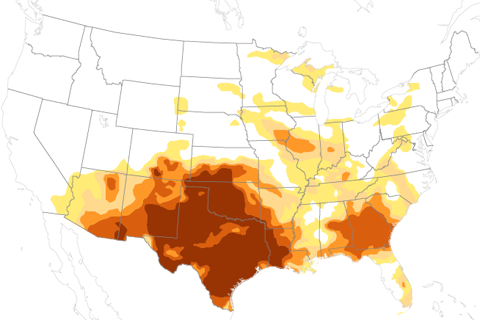
The soaking rains from Tropical Storm Lee provided some drought relief in the South in the first week of September, but exceptional drought persisted across Texas and the Southwest.
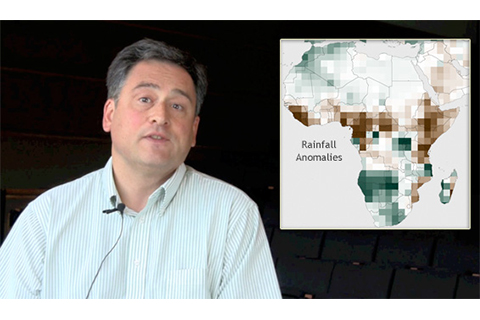
Pietro Ceccato describes the role satellites play in monitoring vegetation health, rainfall, and soil moisture in drought-stricken places in East Africa.
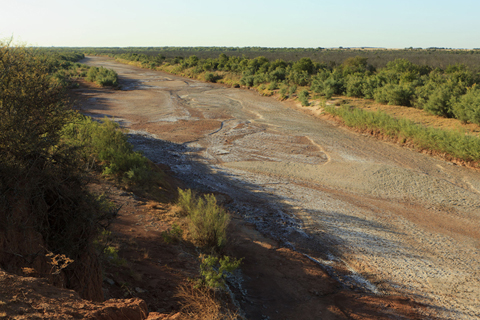
The Brazos River runs dry in Knox County, Texas, in summer 2011.