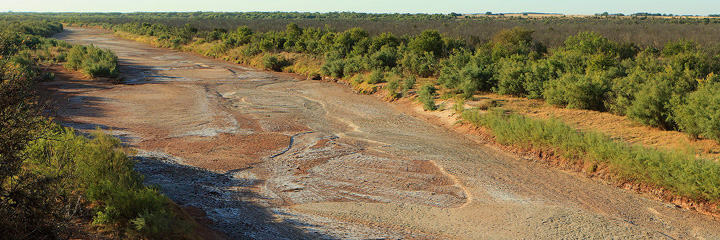
An intense drought has gripped the southern tier of the United States for several months, accompanied by destructive wildfires, low water supplies, and failed crops.
An intense drought has gripped the southern tier of the United States for several months, accompanied by destructive wildfires, low water supplies, and failed crops.
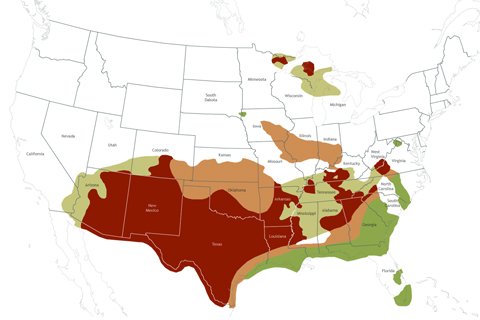
In summer 2011, the South was in the grip of one of the worst droughts on record, and the fall drought outlook issued by NOAA’s Climate Prediction Center provided little hope of relief, especially for the Southwest and Texas.
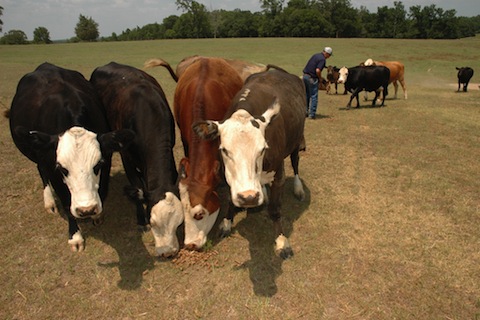
Cattle ranchers face tough decisions about feeding and watering their herds as extreme drought continues in the South in late summer 2011.
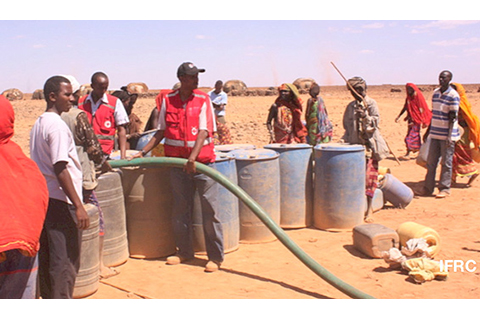
An expert on climate conditions and food security explains why some parts of East Africa are so vulnerable to climate shocks like the ongoing drought.
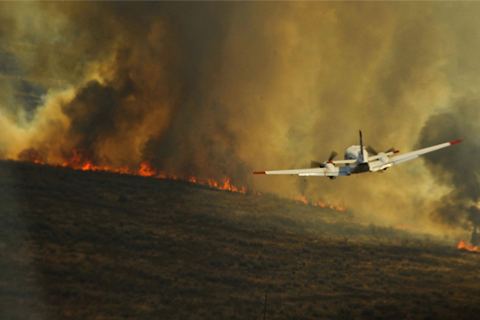
As early as November of last year, NOAA scientists were able to forecast extreme drought conditions that would likely lead to high fire risk in the South, allowing fire managers time to prepare for an active season.
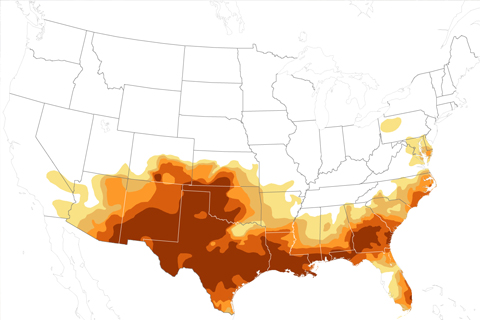
At the peak of this year’s drought, a record 12 percent of the U.S. was experiencing exceptional drought conditions.
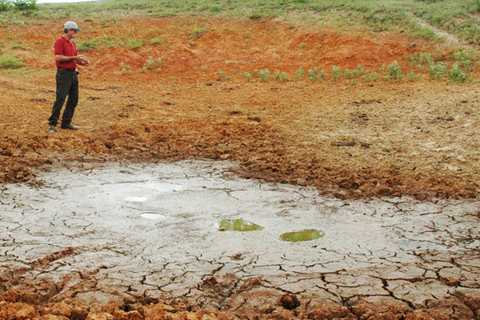
Ponds that were built to hold significant amounts of water for cattle are dwindling away under the hot temperatures, dry winds and lack of rain.
How do warm waters in the Caribbean this year compare to conditions in 2005, when high ocean temperatures triggered the worst mass coral bleaching event ever seen in the region?
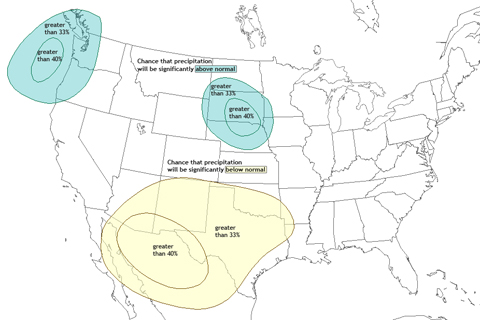
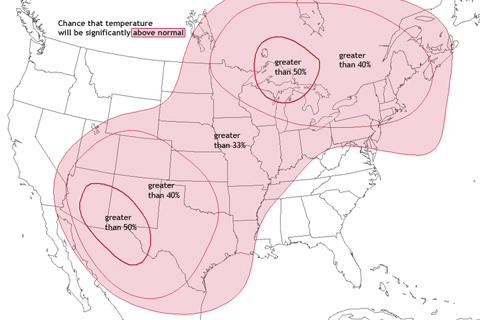
After enduring months of drought and baking summer heat, residents of the Southwest and Southern Plains will hardly be excited about the fall 2011 temperature and precipitation outlooks.
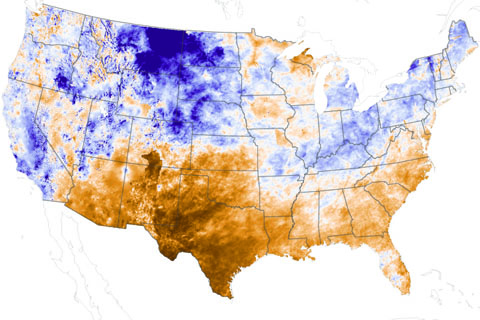
In summer 2011, the South was in the grip of one of the worst droughts on record. Many parts of New Mexico and western Texas have received a small fraction of their normal rainfall over the past 10 months.