
A pattern of unusually warm and cold spots alternated around high northern latitudes in 2010—a classic sign of the negative phase of the Arctic Oscillation.
A pattern of unusually warm and cold spots alternated around high northern latitudes in 2010—a classic sign of the negative phase of the Arctic Oscillation.
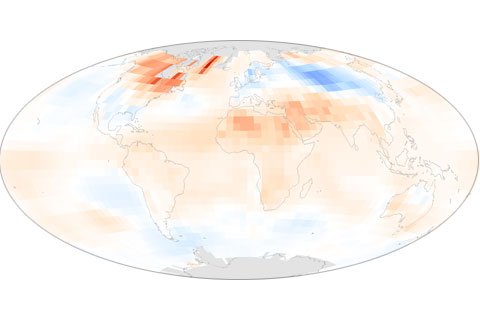
In 2010, global temperatures were marked by near-record warmth and strong natural variability. This is the first in a series of posts highlighting findings from the "State of the Climate in 2010" report.

Between January and April 2010, temperatures in the Pacific were under the warming influence of a fading El Niño episode. Meanwhile, higher latitudes of the Northern Hemisphere were dominated by a strong negative phase of the Arctic Oscillation.
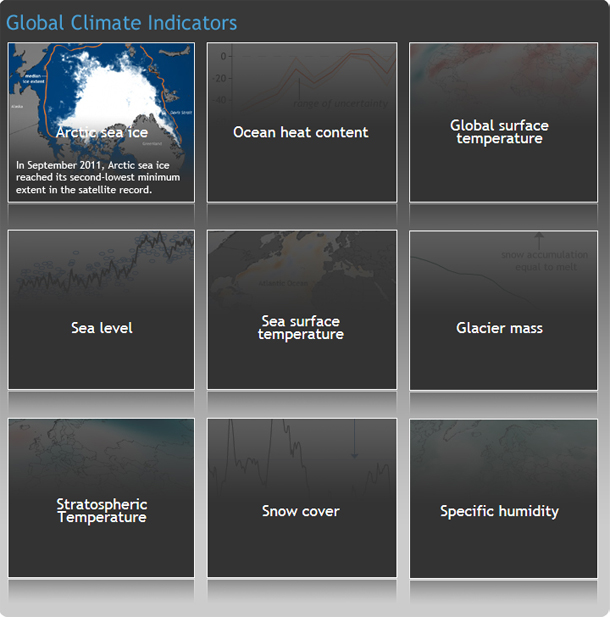
Image highlights form the 2011 State of the Climate report.
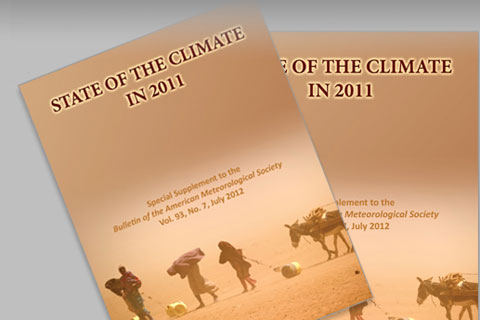
2011 State of the Climate Report editor Jessica Blunden talks about the process of creating and editing the report.
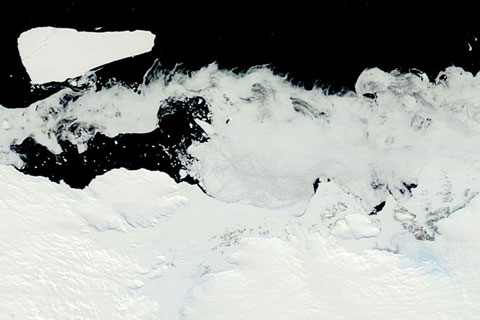
In the Arctic, an ocean is surrounded by continents, while Antarctica is continent surrounded by oceans. These differences in the arrangement of land and water contribute to differences in each polar region’s climate, oceanic and atmospheric circulation patterns, and seasonal and long-term sea ice patterns.
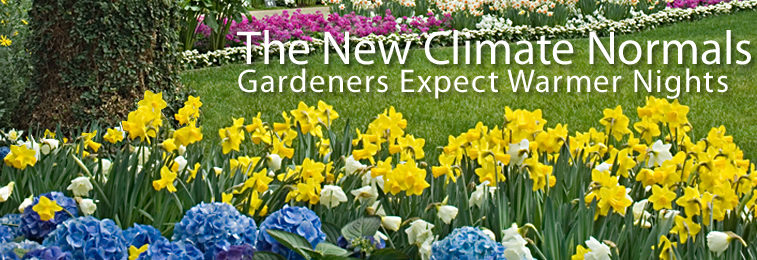
Starting in July, when you hear that a day was hotter, or colder, or rainier than normal, that normal will be a little different from what it was in the past.
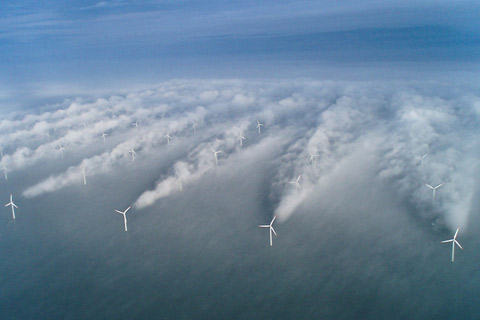
Normally invisible, wind turbine wakes come to life over the ocean, fascinating scientists who study winds in the lower atmosphere.
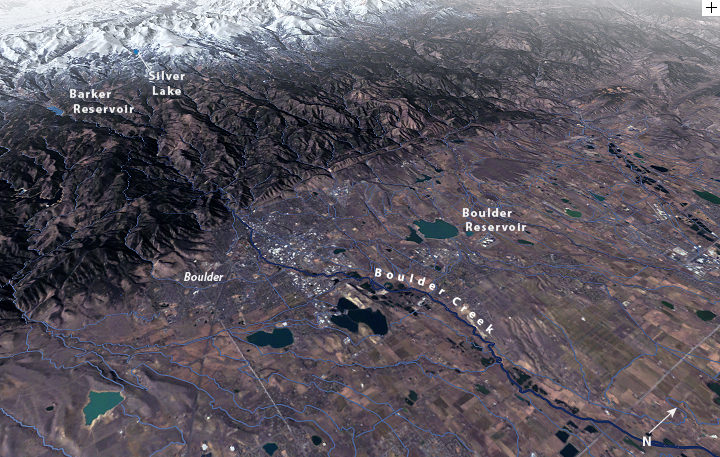
For decades, the City of Boulder, Colorado, has been successfully managing its water supply despite the challenges of being located in a semi-arid climate. But a local water manager wonders if climate change will change the rules of the game...
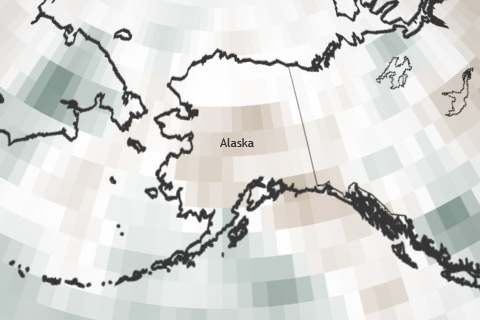
All but a handful of weather stations across Alaska reported well below-normal precipitation in May 2011, placing that month in a statistical tie with May 1974 as the driest May since records began in 1918.