News & Features

Air pollution in Africa already results in 1.1 million premature deaths annually and is expected to intensify. A new study proposes a modeling and observation strategy to mitigate the hazard.

NOAA’s hurricane gliders are returning home after a successful journey during the 2020 hurricane season. These gliders were deployed off the coasts of Puerto Rico, Dominican Republic, the U.S. ...
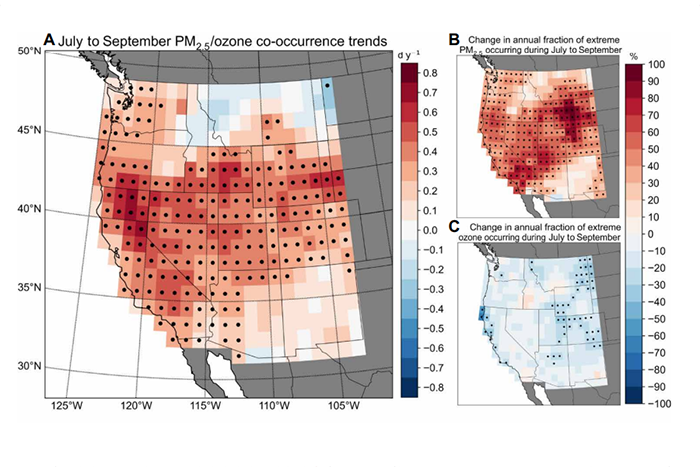
A new study shows that, on a single day in 2020, more than 68 percent of the U.S. West—representing about 43 million people—were affected by harmful levels of air pollution. It was the highest number of affected people in 20 years. Large wildfires and severe heat events occurring at the same time have worsened air pollution.
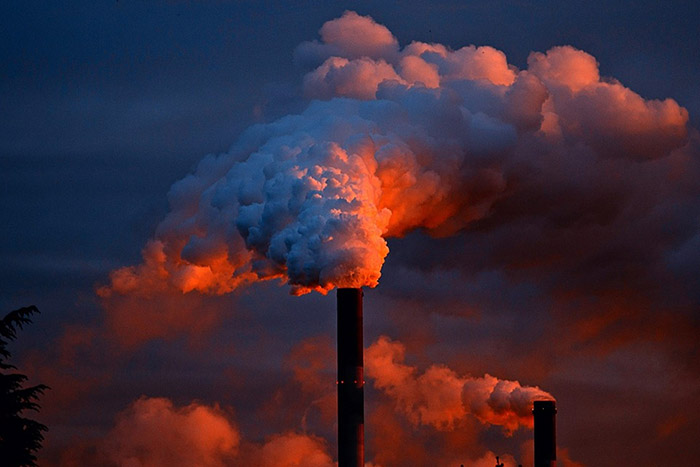
A new scientific review highlights existing evidence suggesting that air pollutants, including aerosols and trace gases, can influence weather and climate systems through intricate interactions with meteorology and ecosystems.
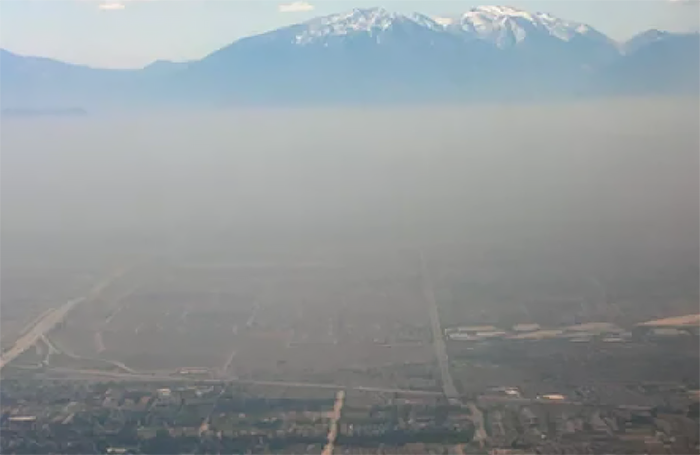
The Air Quality and Community Health Research Subcommittee of the National Science and Technology Council has just published a website on air quality and human health.
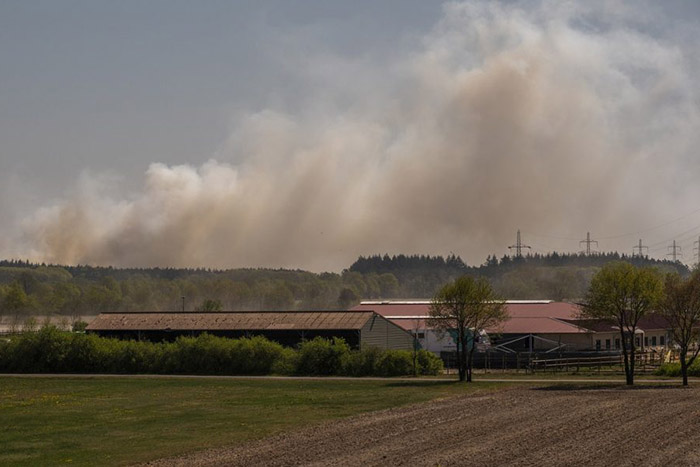
Planned burns in grasslands, shrublands, and farmland affect air quality and health, but few studies have investigated how different crops contribute to pollution. A new study examines how much the crop type matters in the Eastern United States.