
A study by CIRES and NOAA study found more methane, ozone precursors and benzene than estimated by regulators. During two days of intensive airborne measurements, oil and gas operations in ...
A study by CIRES and NOAA study found more methane, ozone precursors and benzene than estimated by regulators. During two days of intensive airborne measurements, oil and gas operations in ...
The collaboratively built tool helps answer the common question asked of Alaskan climatologists: has it been particularly hot/cold lately?
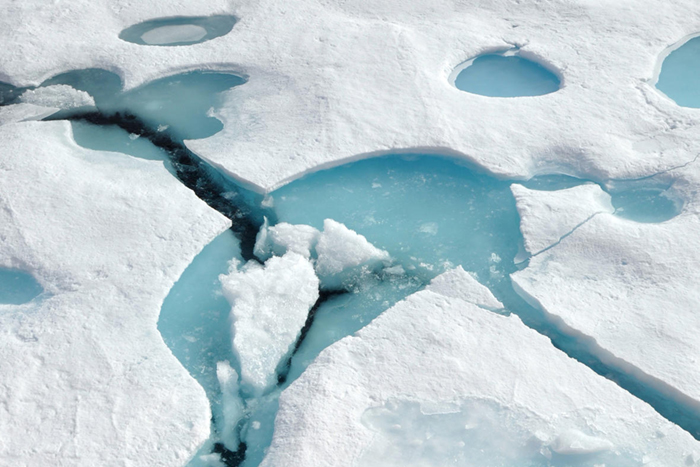
Starting on October 5, 2021, a pair of team members with the Alaska Center for Climate Assessment are set to lead a Massive Open Online Course (MOOC) to educate participants about what climate change looks like in the Arctic.
From its inception as an experiment to improve forecasts for aviation, to the transition of its final update to NOAA National Weather Service operations on December 2, the Global Systems ...
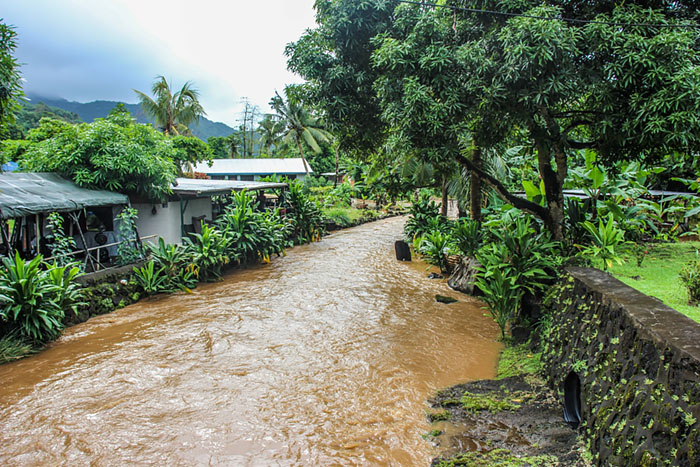
Human health risks, stronger cyclones, coral reef death, and coastal flooding are among the major challenges detailed in a new report on climate change in American Samoa published June 8, 2021. The report highlights the fact that American Samoa counts among the locations likely to see early impacts of climate change.
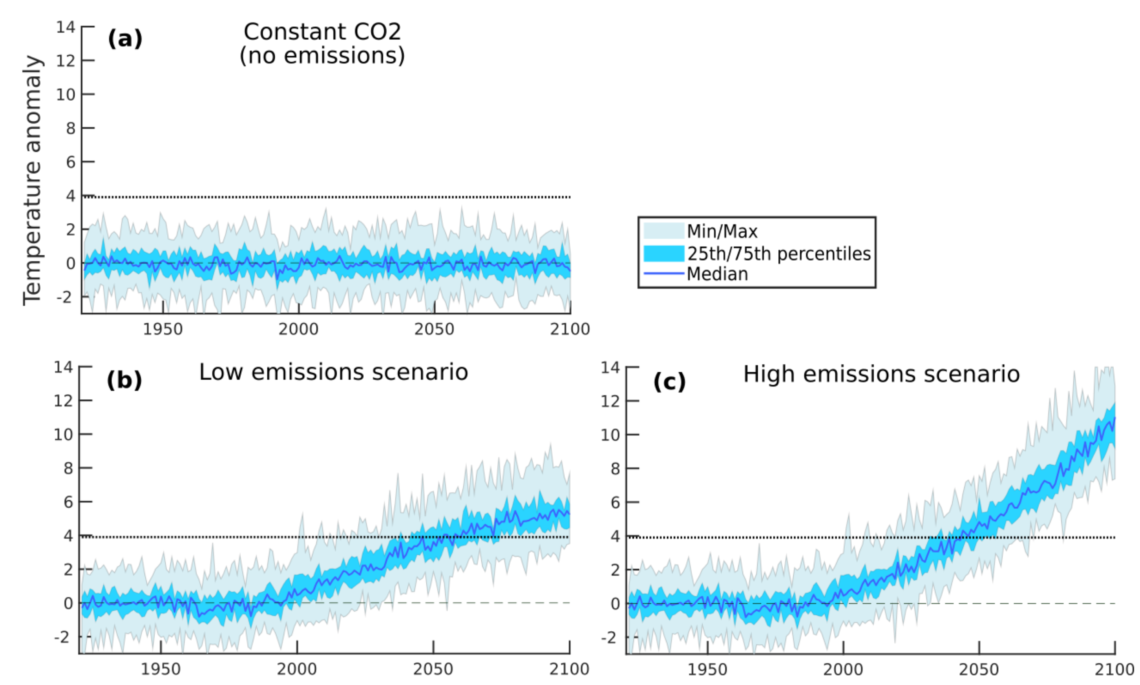
An extreme heat event, breaking all previous records, occurred over southwestern Alaska in the summer of 2019. Analyses using a new high-resolution climate model suggest that the extreme heat event was made up to 6 percent more likely by the impacts of increasing greenhouse gases.
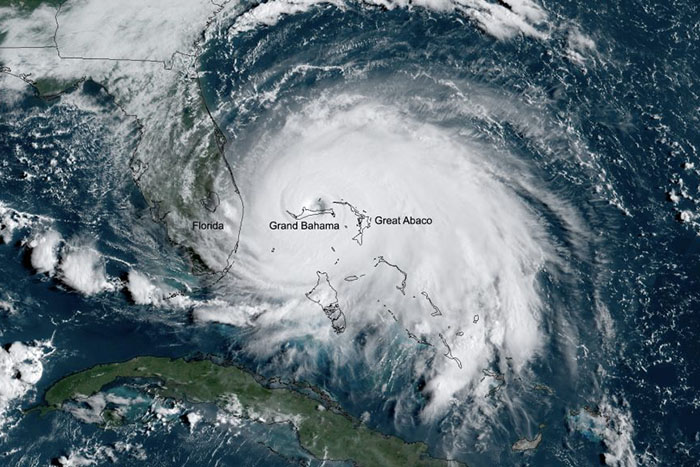
A new study from scientists at NOAA’s Atlantic Oceanographic & Meteorological Laboratory (AOML) and the University of Miami’s Cooperative Institute of Marine & Atmospheric Studies (CIMAS) investigates Hurricane Dorian’s track forecast uncertainties.
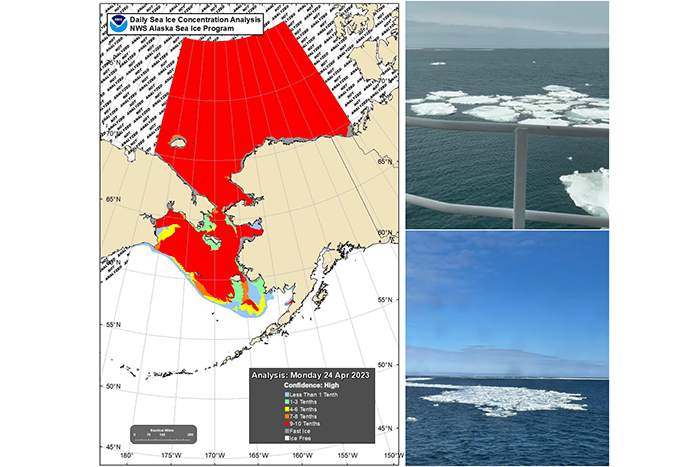
For the first time since 2012, sea ice in the Bering Sea is impacting NOAA’s annual survey. Researchers had to alter their cruise plan to reach several of the mooring and sampling sites.
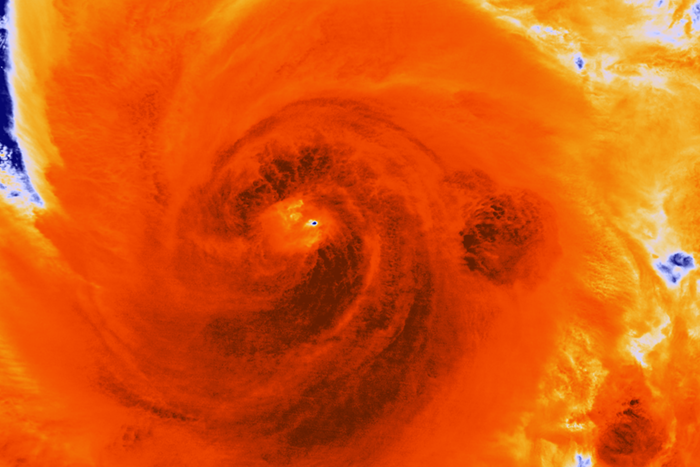
A new study in Nature Communications confirmed the widespread notion that the flood impacts of Hurricane Sandy were worse because of anthropogenic-induced sea level rise. The research team’s simulations indicated that approximately $8.1 billion of Sandy’s damages are attributable to climate-mediated anthropogenic sea level rise. Results also estimated that an additional 71,000 people were affected by the flooding that resulted from higher seas.