
CarbonTracker, an effort partially funded by the Climate Program Office, has released its latest version - CT2013. CarbonTracker is a carbon dioxide measurement and modeling system developed by NOAA…
CarbonTracker, an effort partially funded by the Climate Program Office, has released its latest version - CT2013. CarbonTracker is a carbon dioxide measurement and modeling system developed by NOAA…
CarbonTracker methane, an off-shoot of NOAA's highly successful CarbonTracker, has earned peer-reviewed status with a recent paper in Atmospheric Chemistry and Physics . The NOAA CarbonTracker-CH4 …

Eleven new projects aim to identify and better understand evolving climate risks, vulnerabilities and adaptive capacity for islands in the Caribbean and the Pacific.
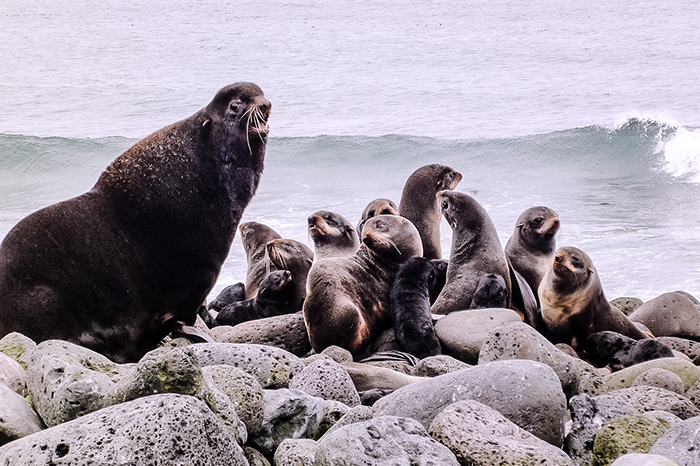
Low sea ice cover in the northern Bering and Chukchi Seas over back-to-back winters 2018 to 2019 caused a cascade of impacts on the regional marine ecosystem, compounding challenges faced by the communities that rely on it.
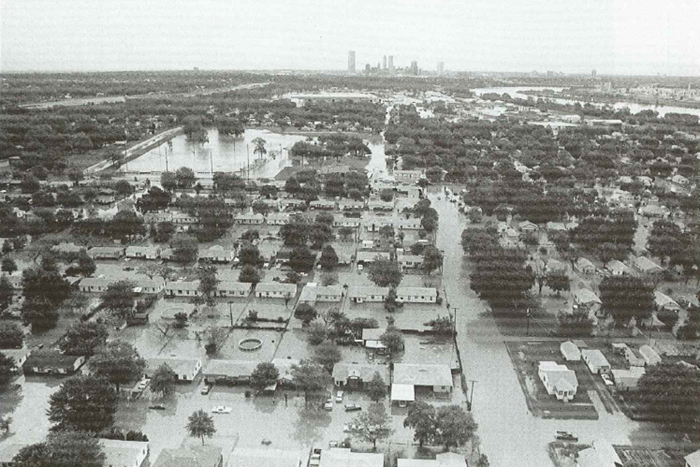
Since the 1970s, Tulsa, Oklahoma, has transformed itself from one of the nation’s most flood-prone cities to an example of flood-mitigation success. NOAA’s Regional Integrated Sciences and Assessment (RISA) team has published a case study examining how Tulsa transformed, and how other cities can emulate its success.
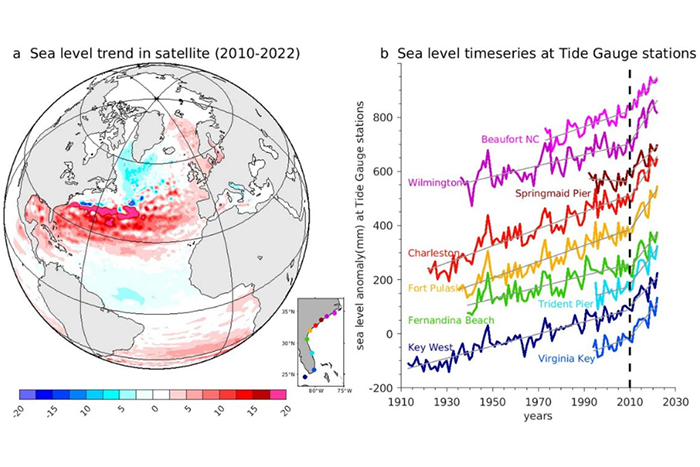
New research indicates the rapid increase in the rate of sea level rise along the U.S. Southeast Coast since 2010 is due partly to natural variability factors, and that the rate of sea level rate might slow in the next five years.
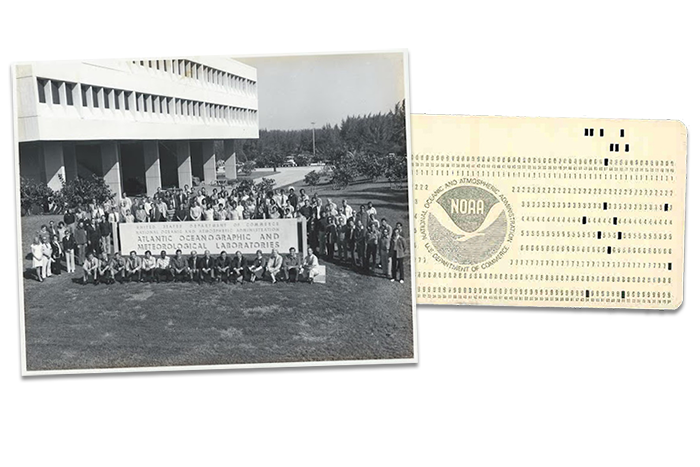
Fifty years ago, NOAA opened the Atlantic Oceanographic & Meteorological Laboratories (AOML) on Virginia Key in Miami, Florida. From entering measurements on keypunch cards, to the development of a state-of-the-art data center, AOML continues to build on the experience and discoveries of five decades of technological and scientific advancements.