
During first week of May, scientists from 12 different countries met for the first Data Buoy Cooperation Panel (DBCP) Pacific Islands Training Workshop on Ocean Observations and Data Applications in…
During first week of May, scientists from 12 different countries met for the first Data Buoy Cooperation Panel (DBCP) Pacific Islands Training Workshop on Ocean Observations and Data Applications in…
Along with the National Weather Service, members of NOAA’s Climate Program Office staffed an information booth at Union Station on Tuesday, April 22, to celebrate Earth Day. Both Climate-Smart and …
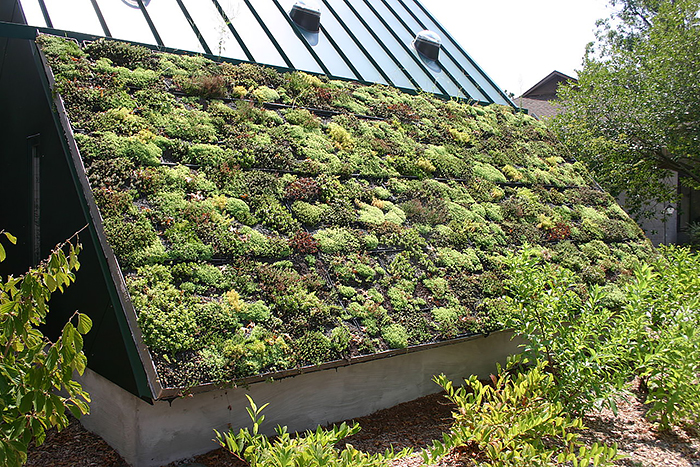
A first-of-its-kind guidebook tells planners how to manage and mitigate urban heat. The new book covers urban heat islands and building urban heat resilience.
CPO-funded researcher Dr. Melissa Kenney was the lead author on a paper published in the journal Climatic Change. The paper “Building an integrated U.S. National Climate Indicators System,” appeared…
The catalogue provides consistent estimates of large-scale drought and flood events over 1950-2016, their different characteristics, as well as long term risk.
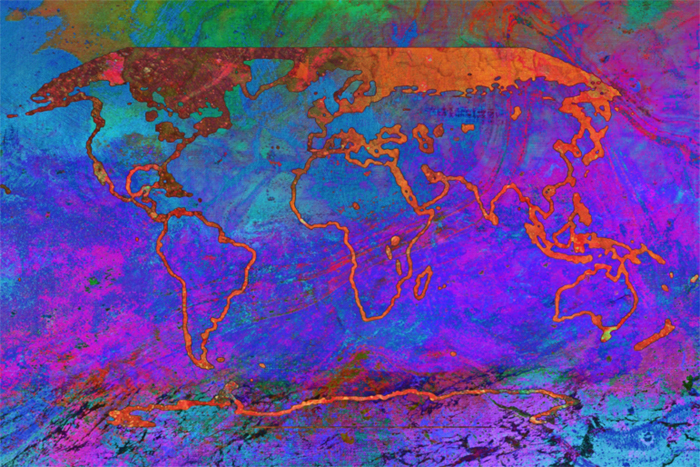
The Intergovernmental Panel on Climate Change (IPCC) released its Sixth Assessment Report (AR6) in August 2021. Three NOAA Climate Program Office-funded scientists were among the world’s top climate researchers who contributed to the latest IPCC report.
Over the past 30 years, the fellowship program has hosted 230 fellows and has developed an outstanding reputation of attracting the best and brightest PhDs in the sciences relevant to CPO’s mission.
New research synthesis supported by NOAA’s Climate Program Office has been published in Current Climate Change Reports. The paper by Kopp et al., "Geographic Variability of Sea-Level Change" ...
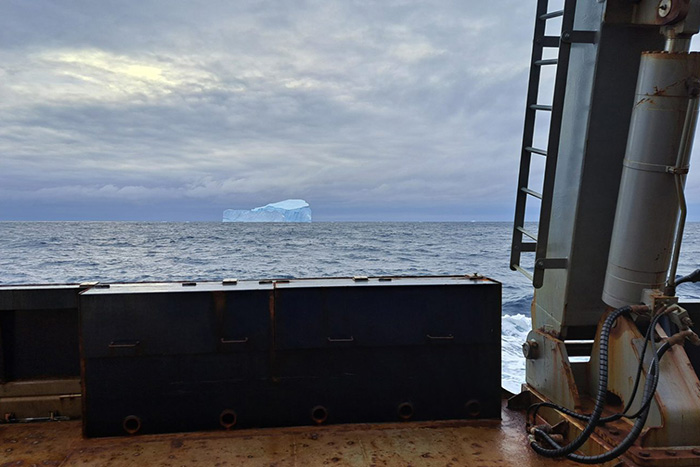
Wind, waves, and icebergs pierced through morning fog – the A13.5 GO-SHIP cruise proved both tumultuous and rewarding with vast amounts of new data that bring the promise of groundbreaking future research.
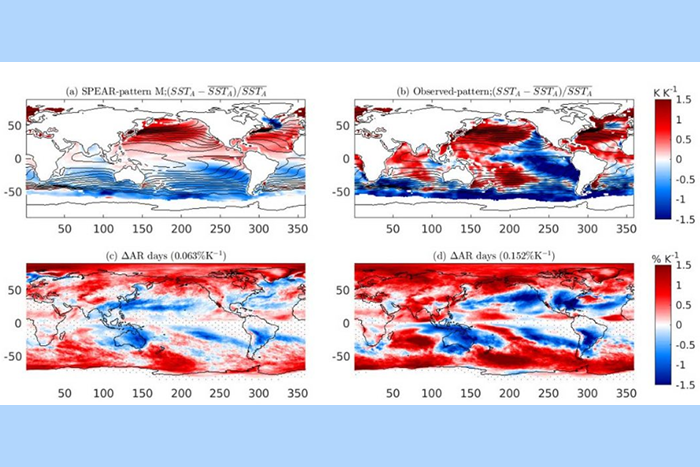
If the future sea surface temperature warming pattern continues to resemble the observed pattern from the past few decades rather than the model-simulated/predicted patterns, we can expect a drastically different future projection of high-impact storms, especially over the Western Hemisphere.