News & Features
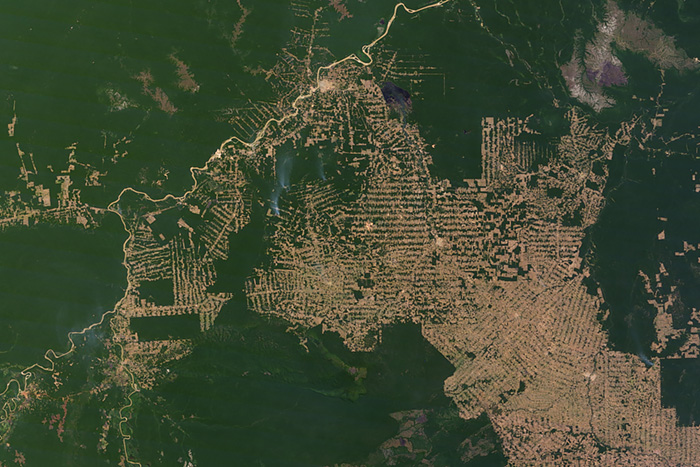
New results from a nine-year research project in the eastern Amazon rainforest finds that significant deforestation in eastern and southeastern Brazil has been associated with a long-term decrease in rainfall and increase in temperature during the dry season, turning what was once a forest that absorbed carbon dioxide into a source of planet-warming carbon dioxide emissions.
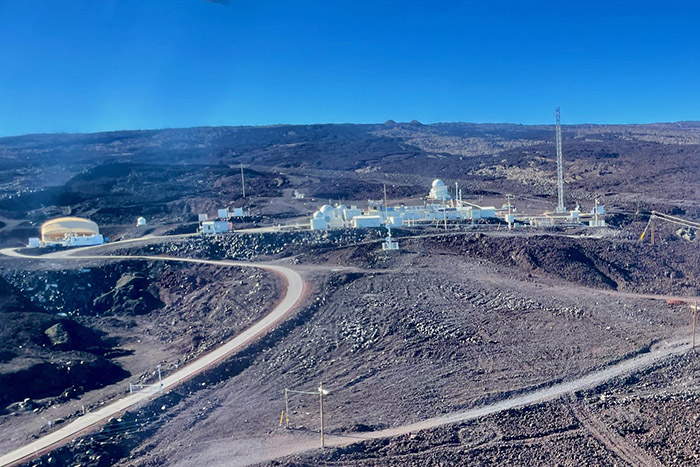
The U.S. Department of Energy (DOE) has awarded NOAA $5 million to support the conversion of the Mauna Loa atmospheric baseline observatory in Hawaii to a net-zero carbon facility. Solar panels and battery storage systems will enable the observatory to operate on renewable energy.
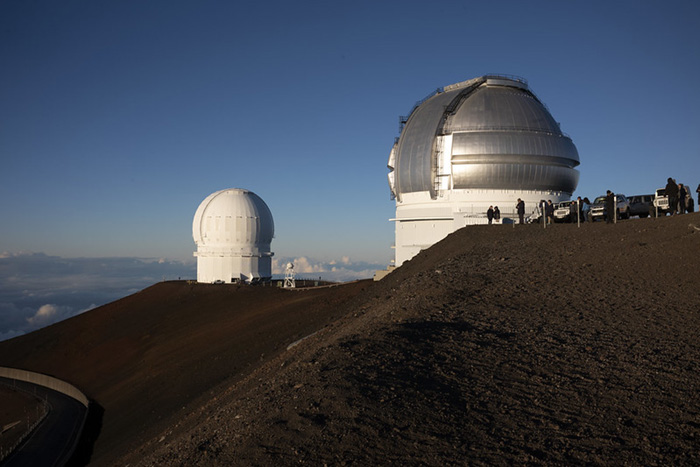
Levels of the two most important anthropogenic greenhouse gases, carbon dioxide and methane, continued their unrelenting rise in 2020 despite the economic slowdown caused by the coronavirus pandemic …
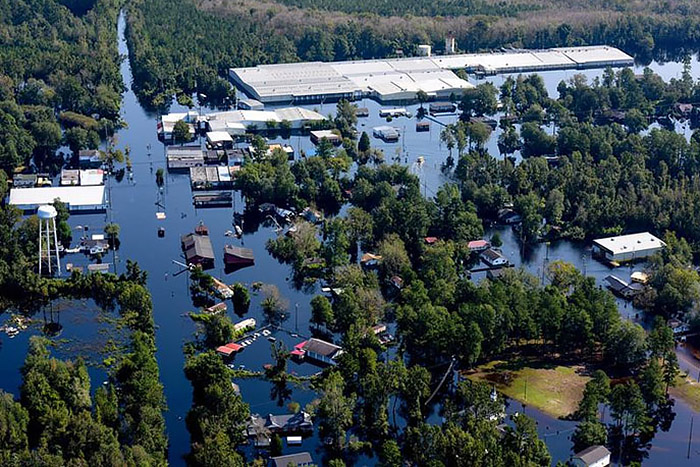
A new climate-projection project that will spotlight extreme sea level events along the U.S. East Coast, zeroing in on the Atlantic Meridional Overturning Circulation as a key player in influencing mean sea level variations and weather events.
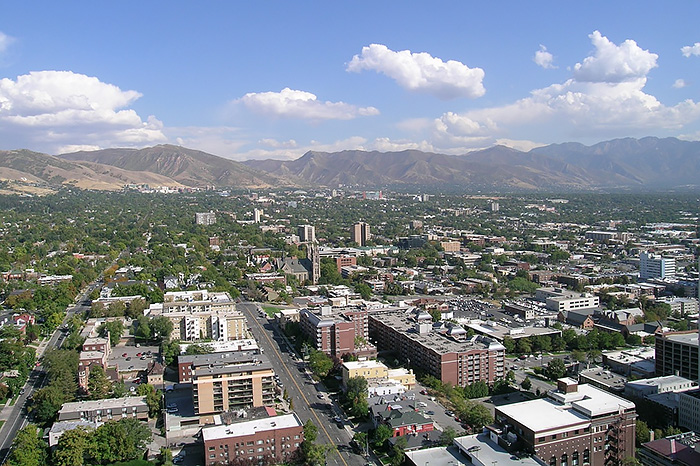
A new study finds that COVID-19 lockdowns dropped carbon dioxide emissions by rough 20 percent in Salt Lake City, Utah, between March 13 and April 30, 2020.

Key Findings Trends in tropical cyclone (TC) frequency of occurrence (or TC density) at a global scale since 1980 exhibit a distinct spatial pattern, with increases and decreases in TC occurrence…

In response to the escalating risks and challenges posed by the evolving climate system, a new research project aims to enhance multi-decadal projections of the El Niño-Southern Oscillation (ENSO) and its profound impacts on weather, climate, and coastal hazards.
A new study describes how Earth System Models represent ocean convection in the Labrador Sea, a crucial site for understanding climate variability. The study pinpoints biases in both oceanic and atmospheric model components affecting climate.