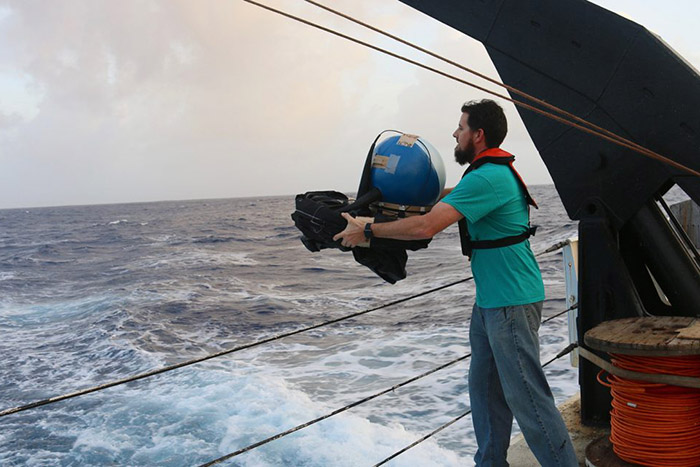
The Global Drifter Program at AOML now has a publicly available server with free and open-source software. The server hosts both hourly and six-hour quality-controlled interpolated drifter datasets.
The Global Drifter Program at AOML now has a publicly available server with free and open-source software. The server hosts both hourly and six-hour quality-controlled interpolated drifter datasets.
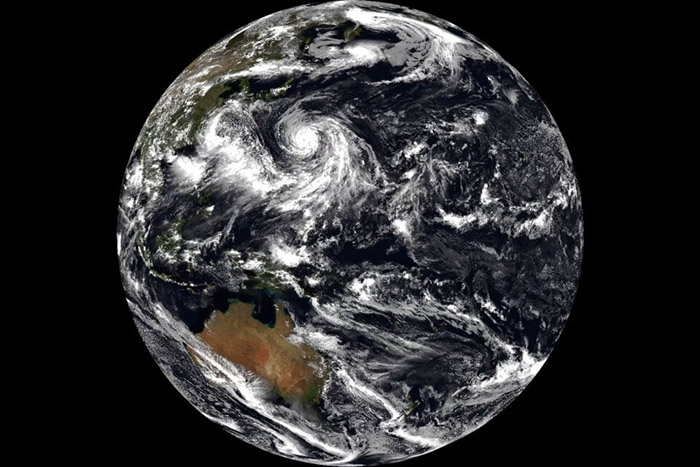
Scientists make informed predictions about climate and weather with operational models. Scientists test theories and improve forecasts with experimental models, including two new models: SHiELD and SPEAR.
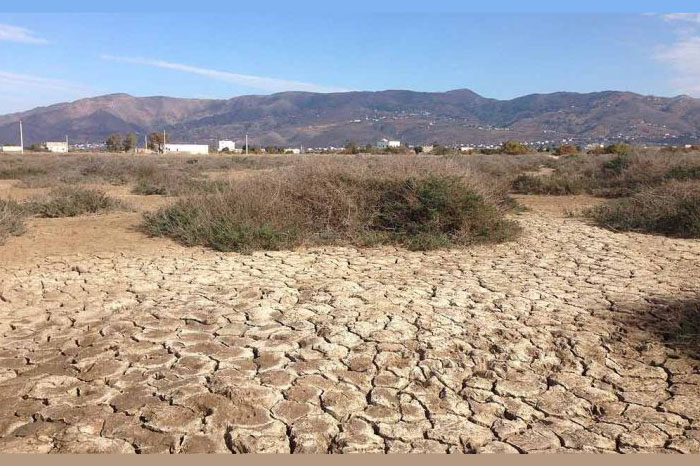
Extreme weather events have increased since the pre-industrial period, but the trend has regional variations. New research shows that the spatial structure will likely change under a high greenhouse gas emissions scenario.

Variations in the Atlantic Meridional Overturning Circulation and changes in wind-driven ocean currents combine with long-term global warming to raise sea level along the U.S. Southeast Coast.
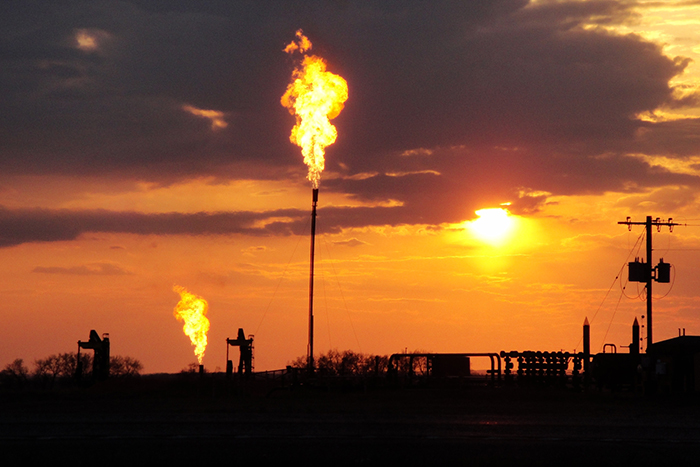
An international study finds methane emissions from oil and gas activities over 2010–2019 were 70 percent higher than previously estimated by the US Environmental Protection Agency. But the study also finds the rate of methane emissions fell slightly over that period.

When it comes to data collection, uncrewed aerial systems — known as UAS or drones — are critical research tools. They’ve helped scientists take surveys of fur seal and polar bear populations, …
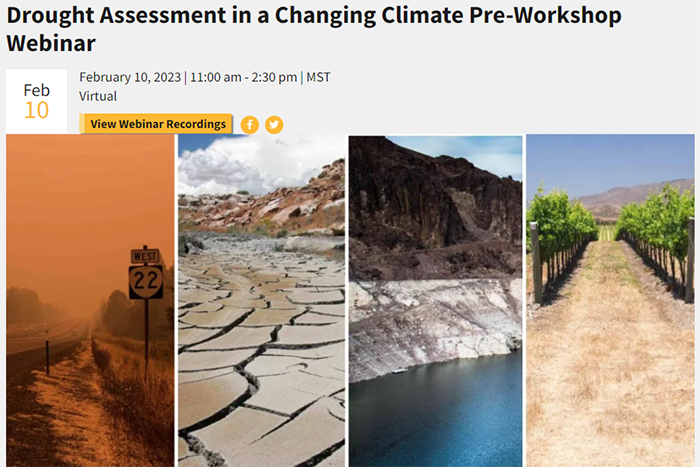
Is climate change outpacing drought assessment? February 28-March 1, the National Integrated Drought Information System and the U.S. Department of Agriculture will host a workshop to address this question. A pre-workshop virtual webinar, recorded February 10, is already available online.
Water reserved in mountain snowpack plays a major role in seasonal water cycles and currently supplies water to an estimated two billion people.
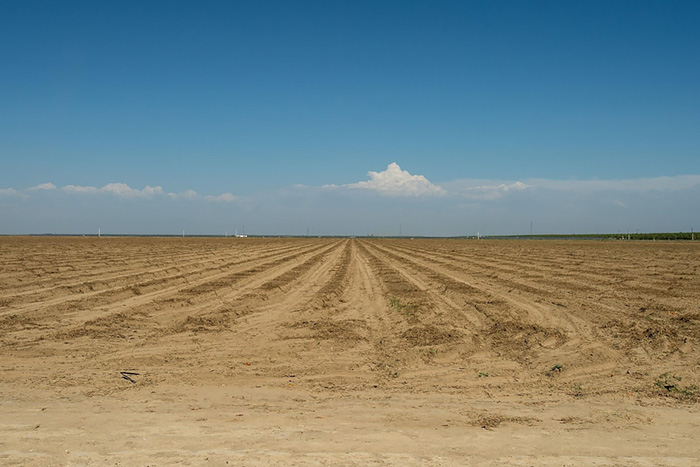
In a special collection of the American Meteorological Society, 13 papers produced by researchers from the third NOAA Climate Program Office’s Modeling, Analysis, Predictions, and Projections (MAPP) program Drought Task Force (DTF3) describe research advances leading to improved monitoring, prediction, and understanding of past droughts.