
The newly released guide is the second in a series of guides to help community leaders use nature-based solutions (NBS) to minimize the risks of natural hazards.
The newly released guide is the second in a series of guides to help community leaders use nature-based solutions (NBS) to minimize the risks of natural hazards.
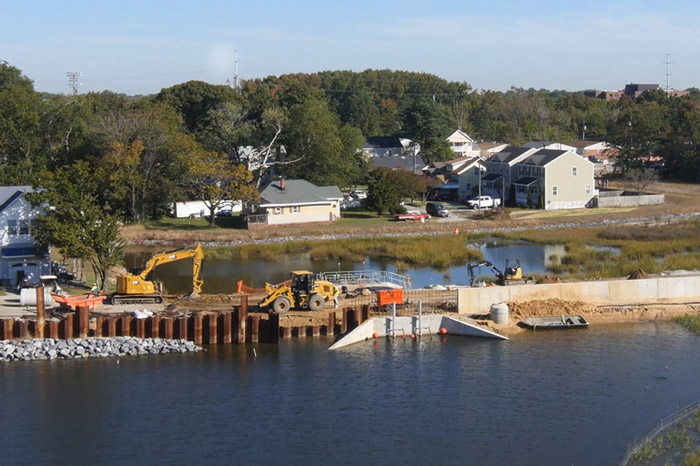
New report highlights adaptation, carbon-reduction strategies for reducing risks.
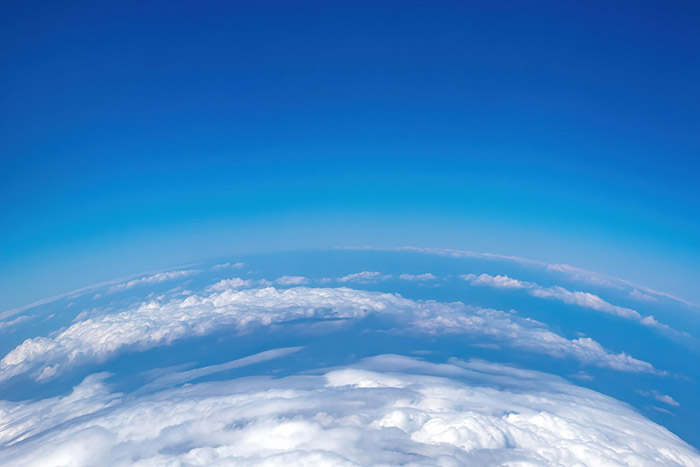
It’s been 50 years since the first attempt to forecast the El Niño/Southern Oscillation (ENSO). The initial prediction was incorrect, but it marked the beginning of a journey toward understanding and predicting one of Earth’s most influential climate phenomena.
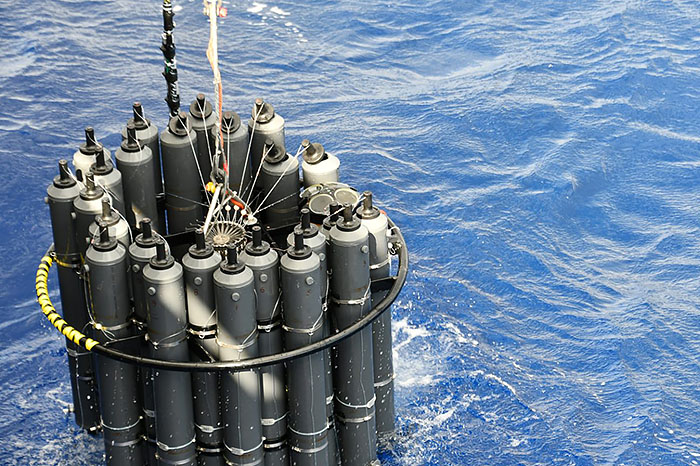
On May 9, 2023, scientists aboard the NOAA Ship Ronald H. Brown arrived at their final destination in Reykjavik, Iceland following 55 days at sea, embarking from Brazil. The research team collected over 3,000 samples from the Atlantic’s surface to the seafloor, giving scientists a holistic snapshot of the Atlantic Ocean basin.
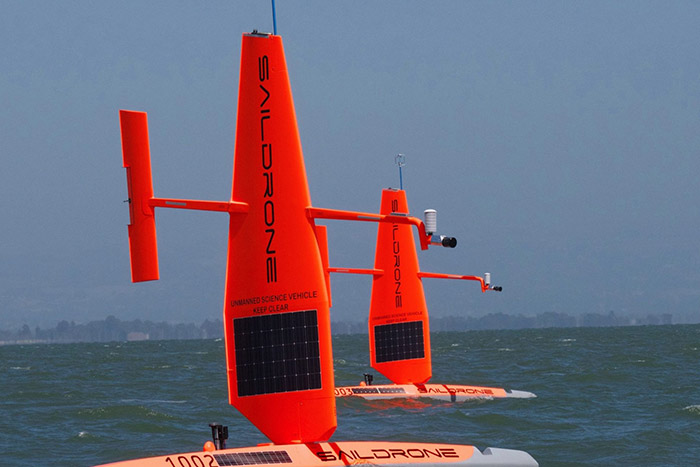
A strip of cool water in the eastern tropical Pacific Ocean, the “cold tongue,” warms up every morning. This weakens the cold tongue’s boundary every afternoon.
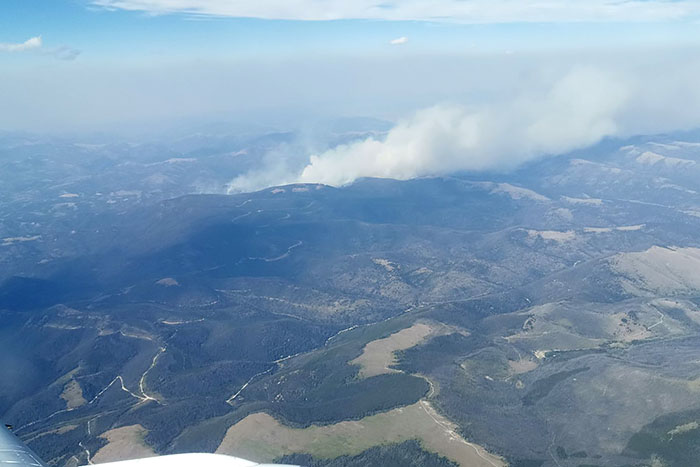
Formic and acetic acid, which contribute to acid rain and aerosols, are too abundant for scientists to identify all their sources. A new study explains why models tend to underestimate their extent.
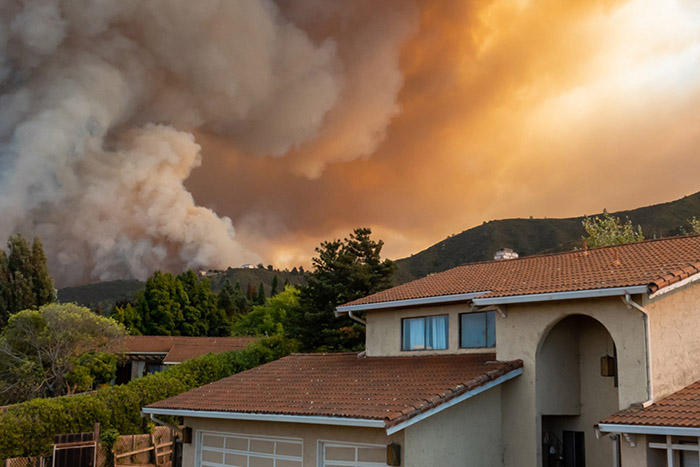
While total fire counts and burned areas have declined globally, fires within the wildland-urban interface are on the rise, indicating a shift in fire dynamics.
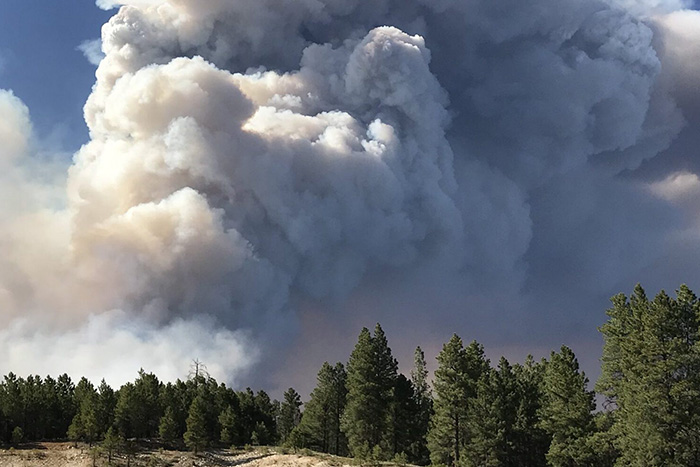
Comparing tree rings from 1700-1880 with modern data from 1985-2020 shows that wildfires burn less frequently now, but fires cause higher tree mortality rates.
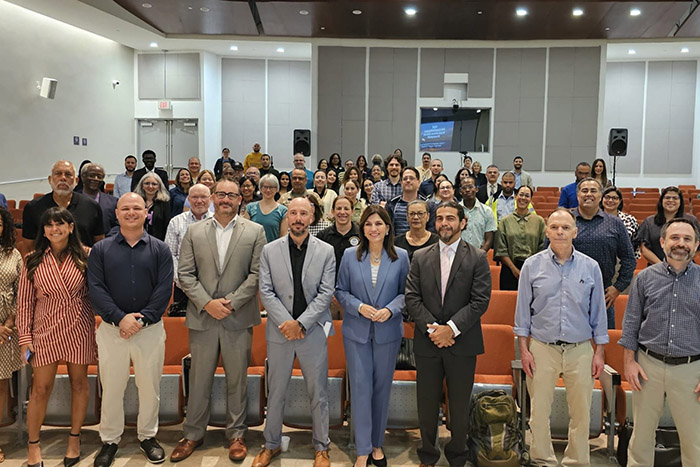
While local government and community members are more aware of the importance of managing heat risk in Puerto Rico and the U.S. Virgin Islands, few targeted initiatives currently address heat risk mitigation.
