News & Features

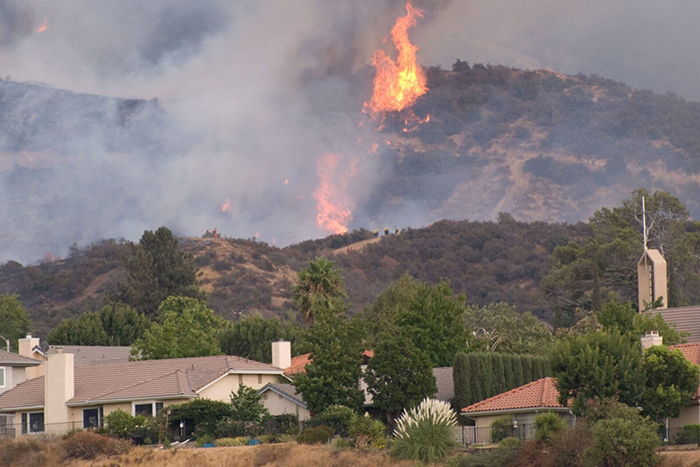
Although wildland-urban interface fires make up a small fraction of total fire emissions, they are responsible for a much larger share of smoke-related premature deaths.
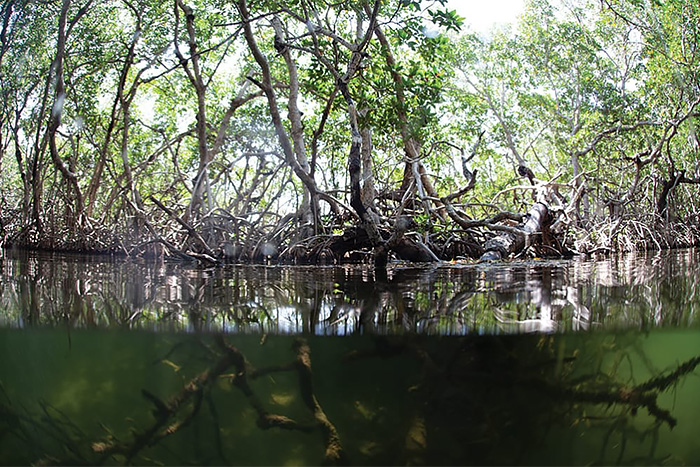
Global carbon dioxide emissions in 2022 remain at record levels and natural carbon sinks are being impacted by climate change, according to a new report. Experts from NOAA and elsewhere project that atmospheric carbon dioxide concentrations will reach an average of 417.2 parts per million in 2022.
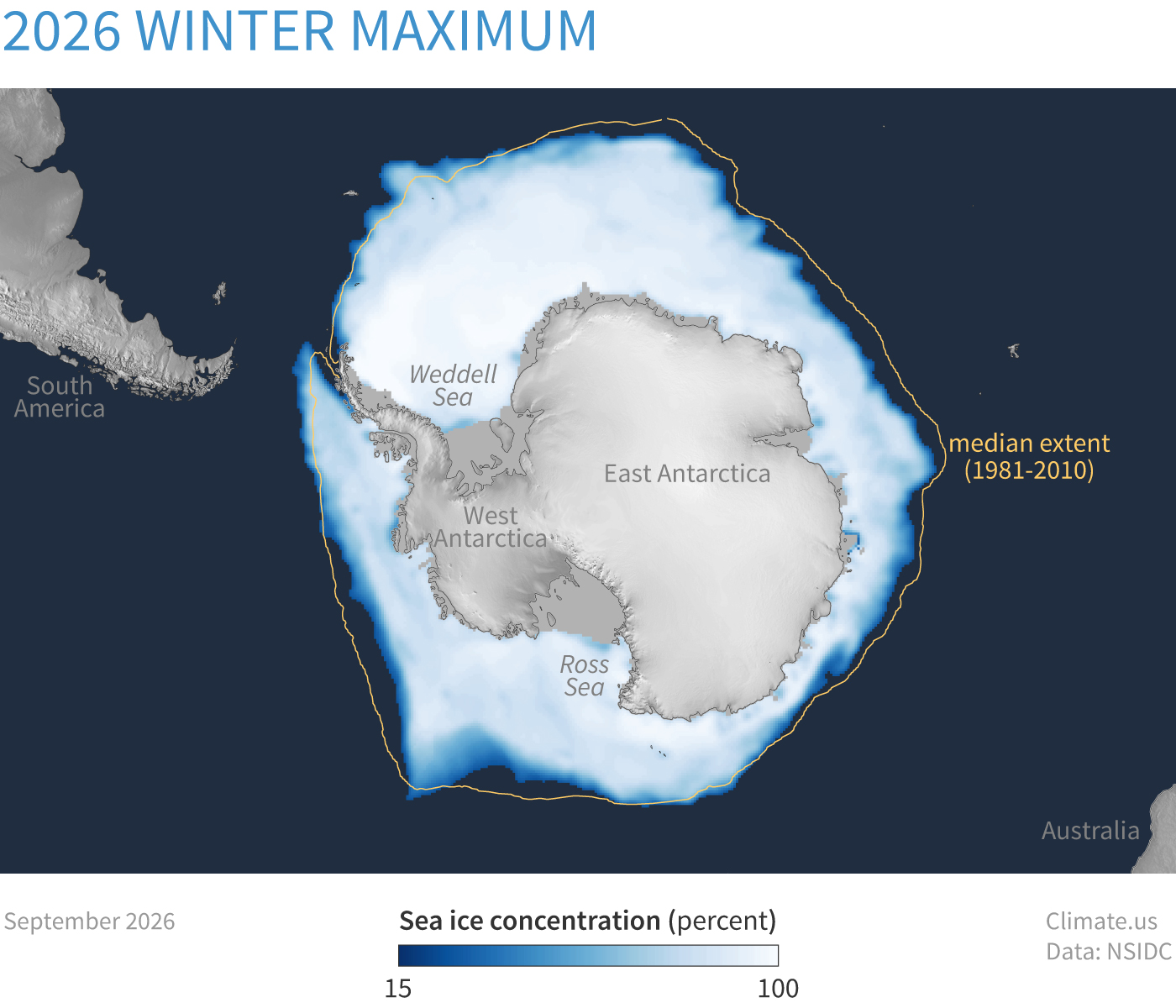
Recent record lows may be a hint of a global warming signal or just another example of Antarctic sea ice's high natural variability.
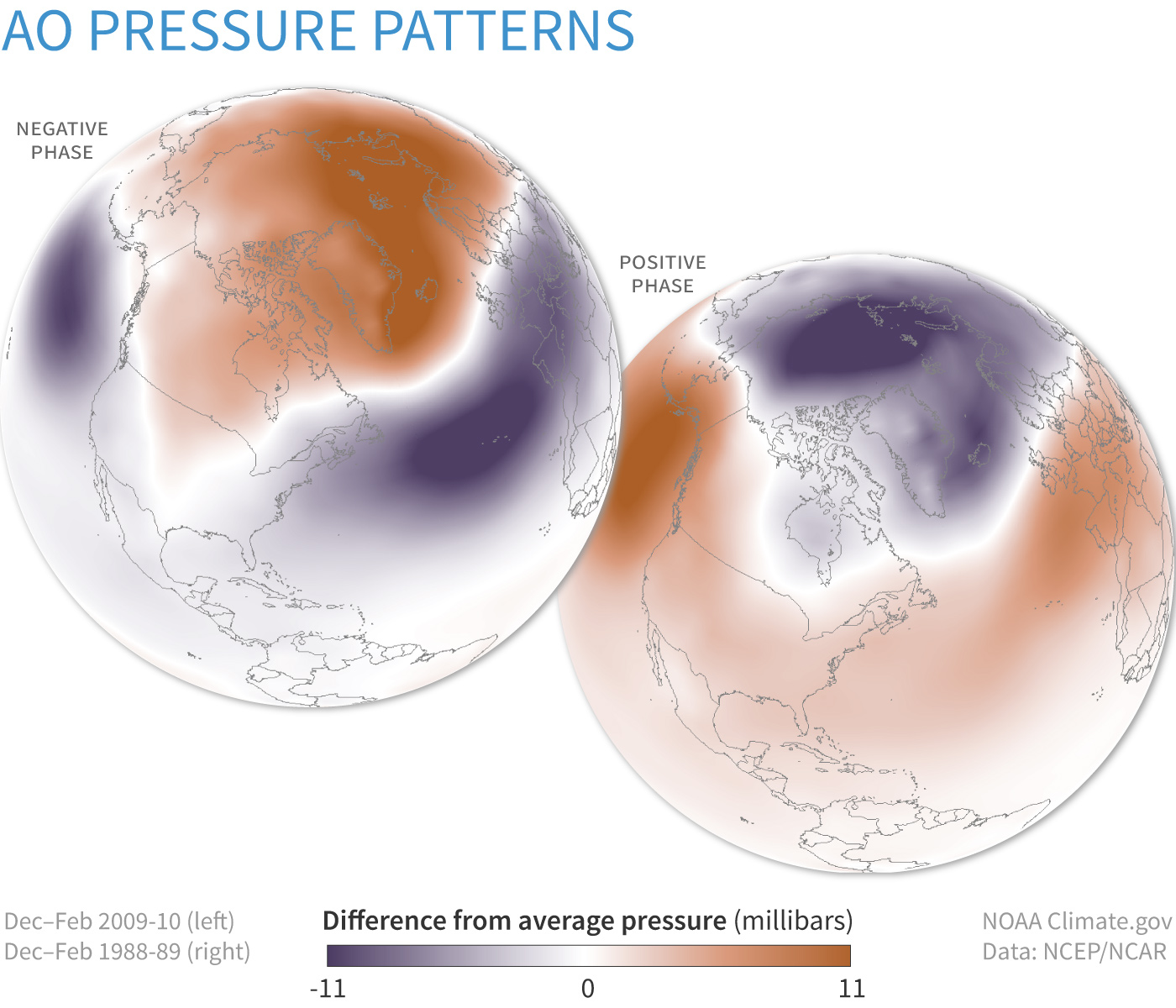
This index tracks back-and-forth shifts in air pressure between the Arctic and the mid-latitudes of the Pacific and Atlantic Oceans.
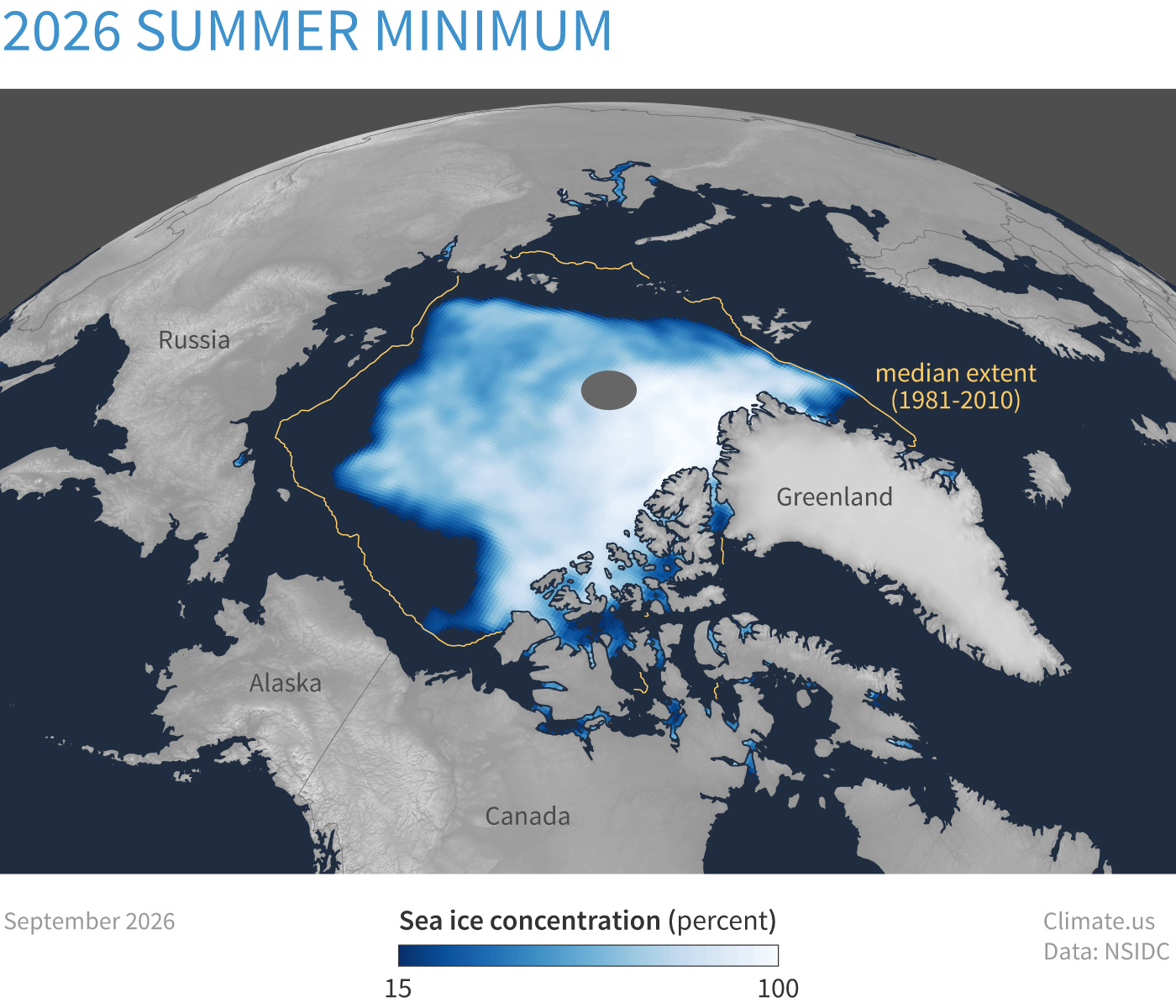
Since 1979, the extent of ice covering the Arctic Ocean at the end of summer has shrunk nearly 45 percent.
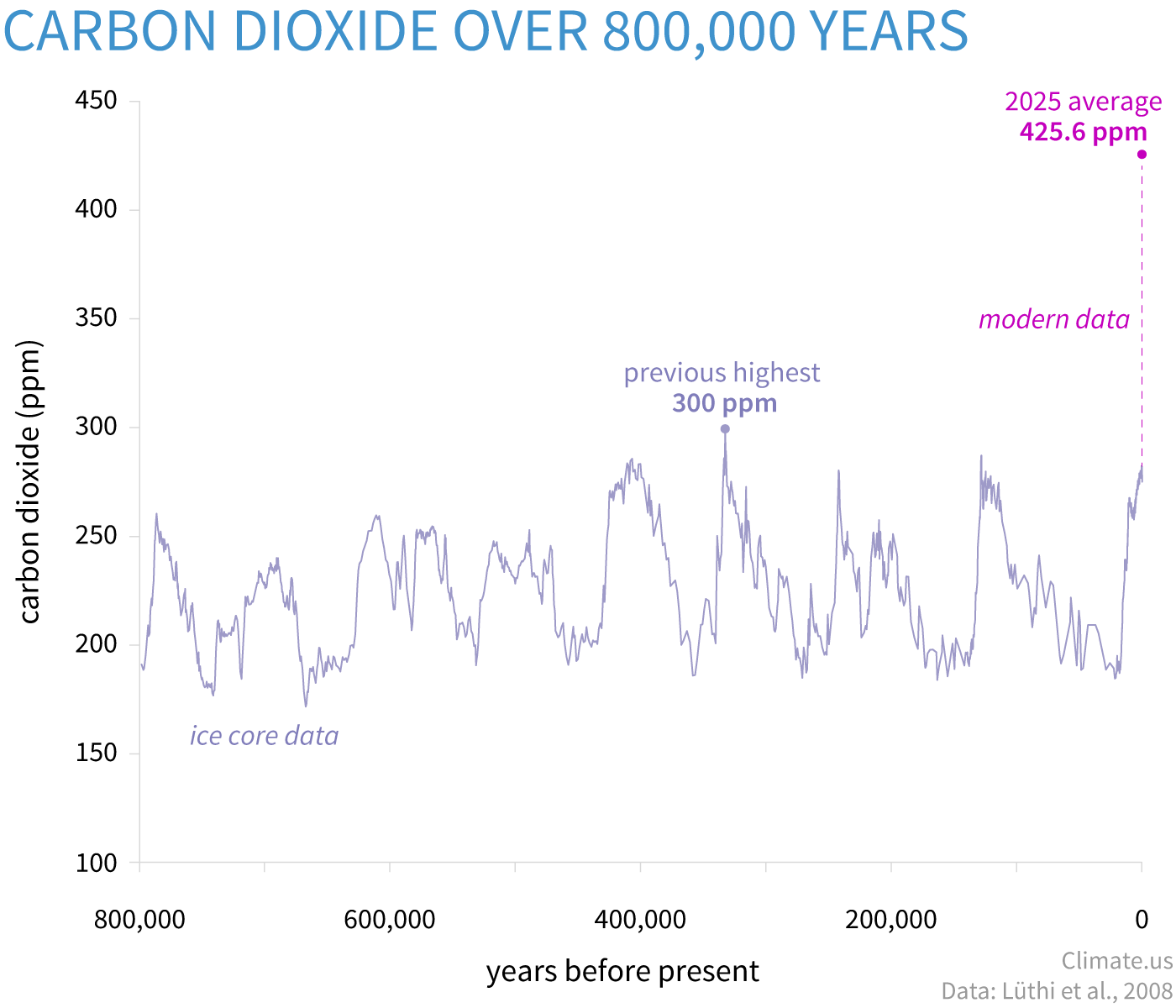
Atmospheric carbon dioxide has risen more than 50 percent since people began burning fossil fuels for energy.
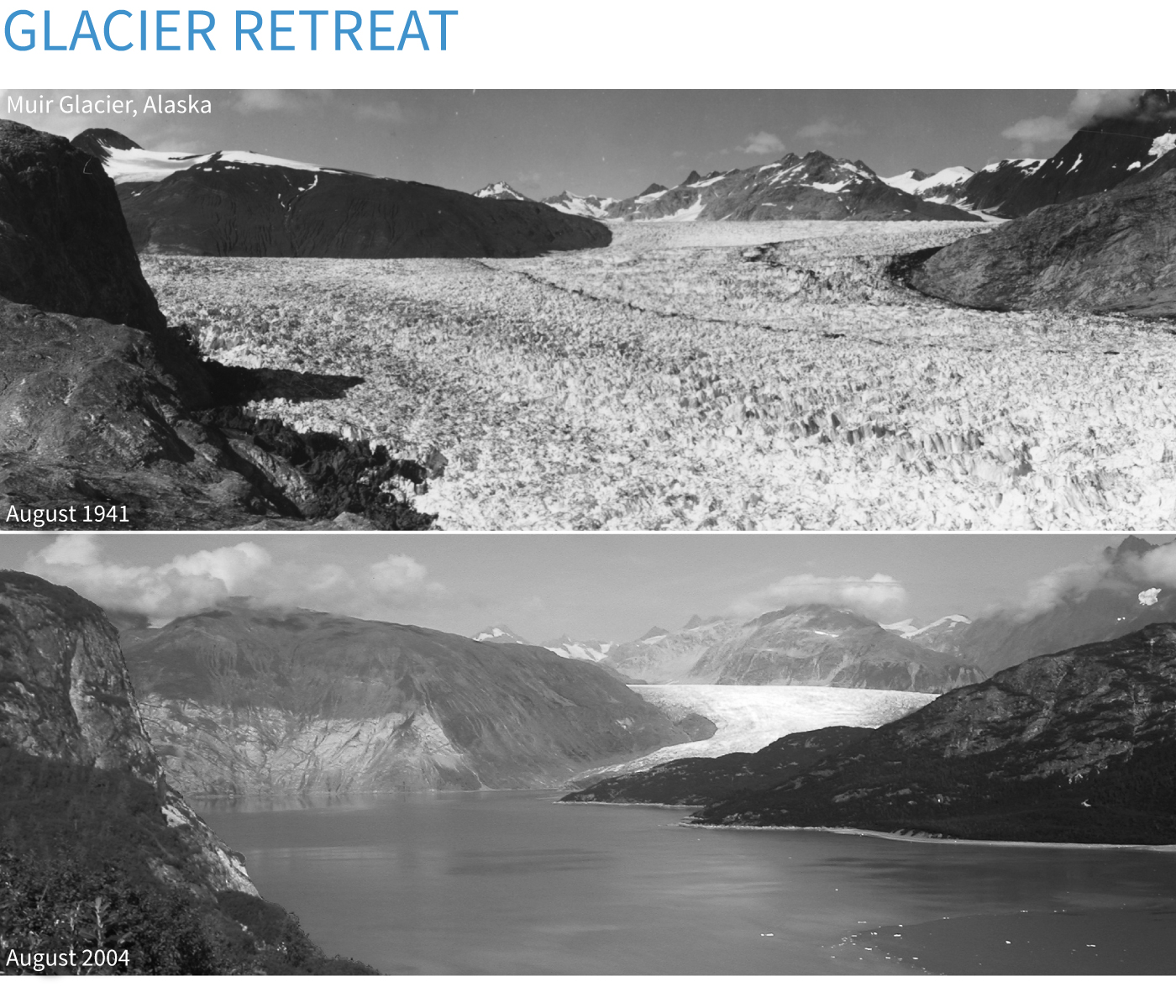
The glaciers in a key reference network lost an average thickness of just over 100 feet between 1970 and 2025.
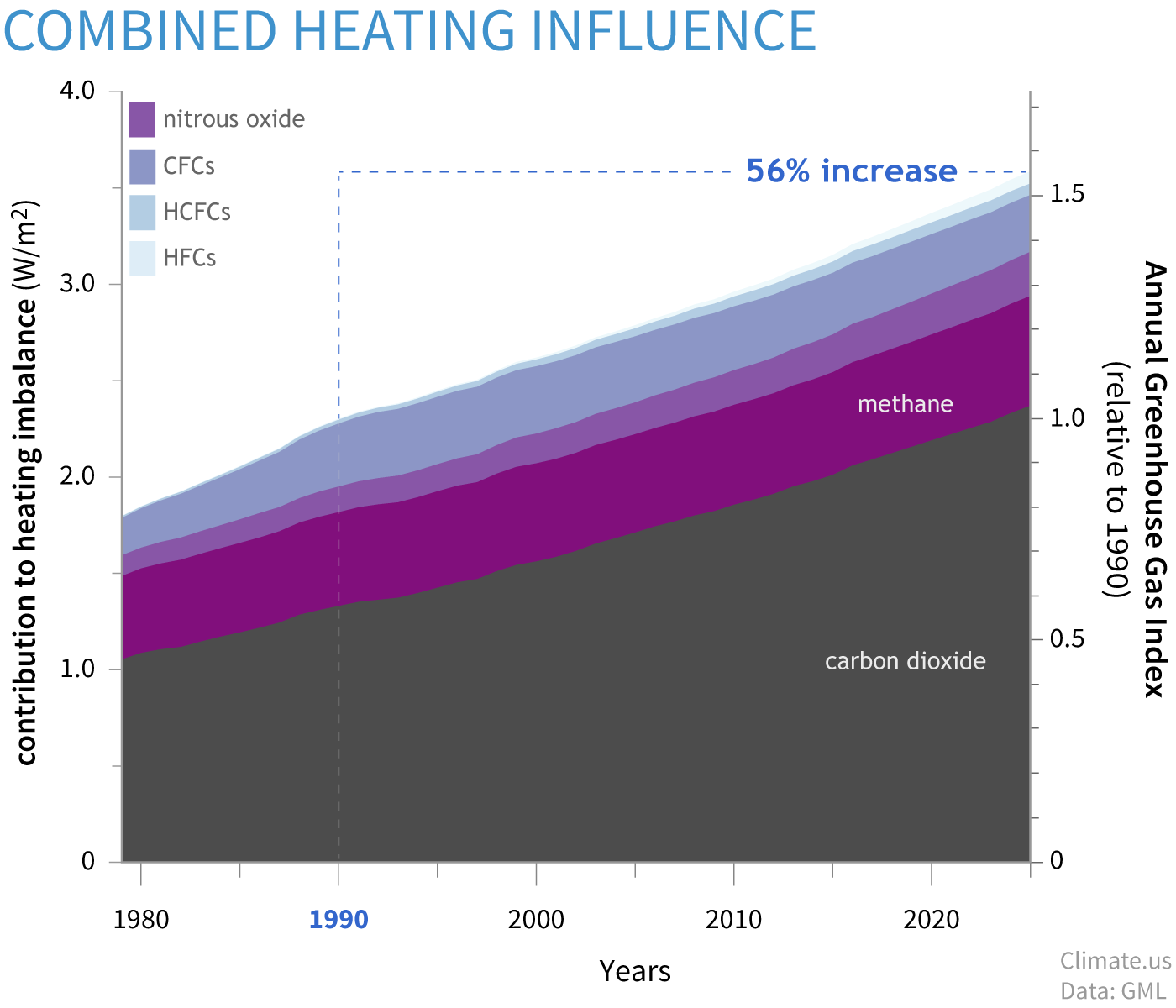
The heating influence of all human-produced greenhouse gases was 56 percent higher in 2025 than it was in 1990.
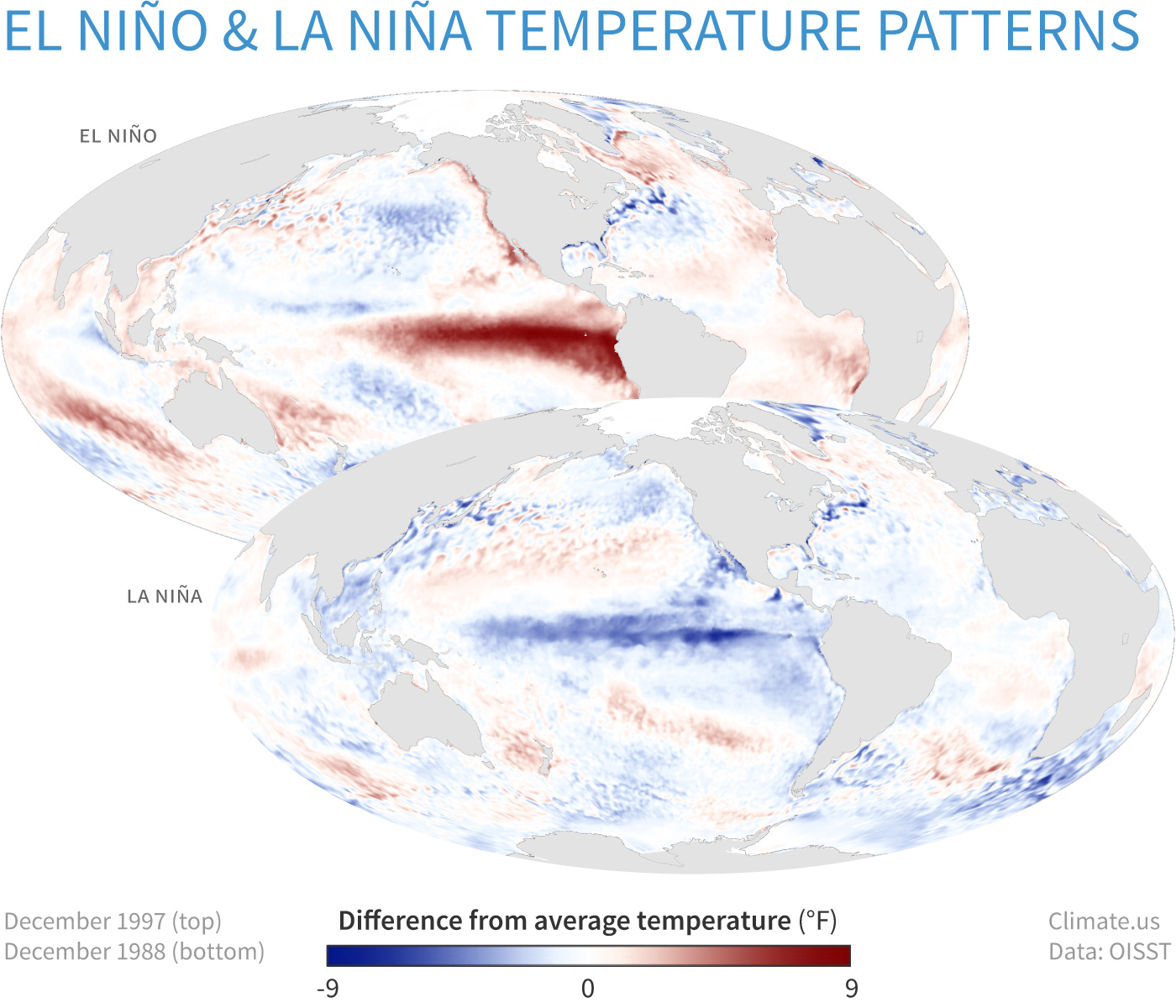
The relative Oceanic Niño Index tracks warming or cooling of the central tropical Pacific Ocean, one indicator of El Niño and La Niña.