
NOAA's Climate Program Office, Climate Generation, and The Wild Center's Youth Climate Program look back on the success of the Stay-In-stitute for Climate Change Education—a three-day virtual ...
NOAA's Climate Program Office, Climate Generation, and The Wild Center's Youth Climate Program look back on the success of the Stay-In-stitute for Climate Change Education—a three-day virtual ...
The Summer Institute for Climate Change Education helps teachers address climate change education using an interdisciplinary approach, beyond the physical and natural sciences. Climate…
The National Oceanic and Atmospheric Administration today announced it has selected the University of Washington to host NOAA’s Cooperative Institute for Climate, Ocean, and Ecosystem Studies ...
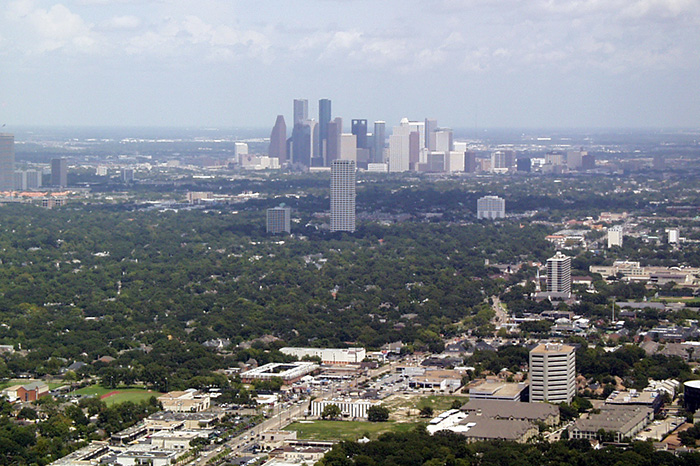
Urban areas can better reduce their greenhouse gas emissions with detailed, timely, comprehensive emission data. The Integrated Global Greenhouse Gas Information System (IG3IS), intended to meet new reporting goals, is now open for comment.
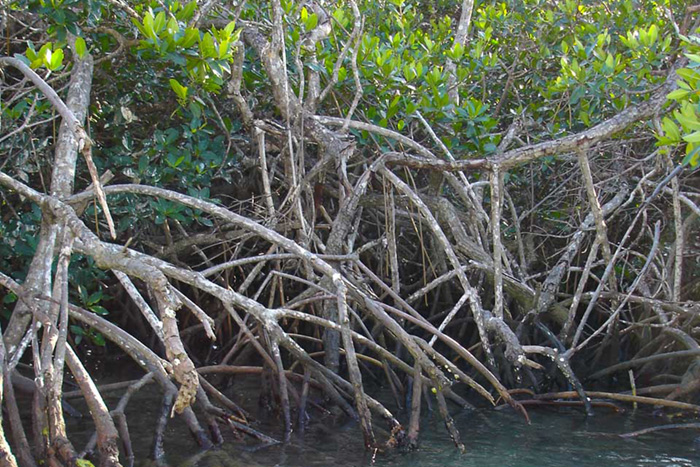
On May 27, 2021, NOAA’s Climate Program Office hosted a meeting of US agencies and several external partners involved in international coastal blue carbon research, capacity building, and climate policy, for the purpose of advancing collaboration through the recently established NOAA Blue Carbon Inventory (BCI) Project.
Public lands managers are being asked to plan for ecosystem change due to climate shifts. They must decide among untested approaches such as resisting change, boosting resilience, or encouraging ...
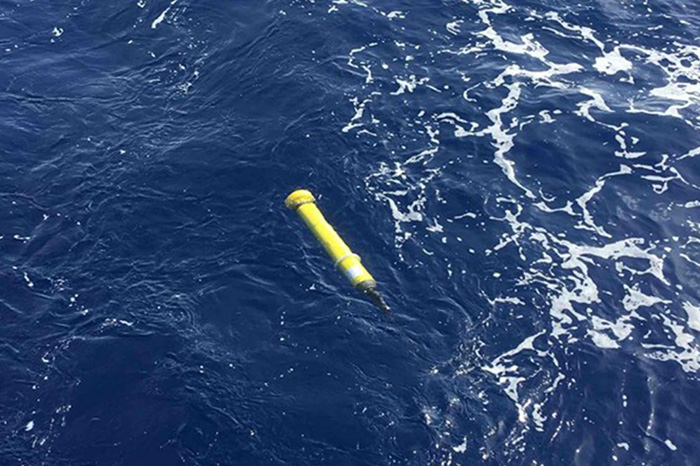
The Argo program started in 1998 when scientists proposed a global array of autonomous floats to take temperature and salinity measurements of the world’s ocean. The program has won an award “for innovation in large-scale autonomous observations in oceanography with global impacts in marine and climate science and technology.”