News & Features

A new CVP-supported study by Chen et al. titled “Intraseasonal Variability of Upwelling in the Equatorial Eastern Indian Ocean” has been published in the Journal of Geophysical Research: Oceans . By…
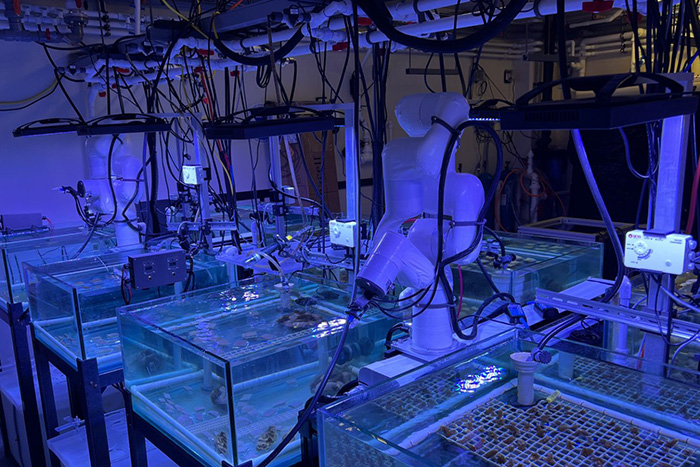
Scientists at NOAA’s Atlantic Oceanographic and Meteorological Laboratory are investigating how crucial reef-building coral species are affected by the impacts of climate change using a suite of open-source robotic arms.
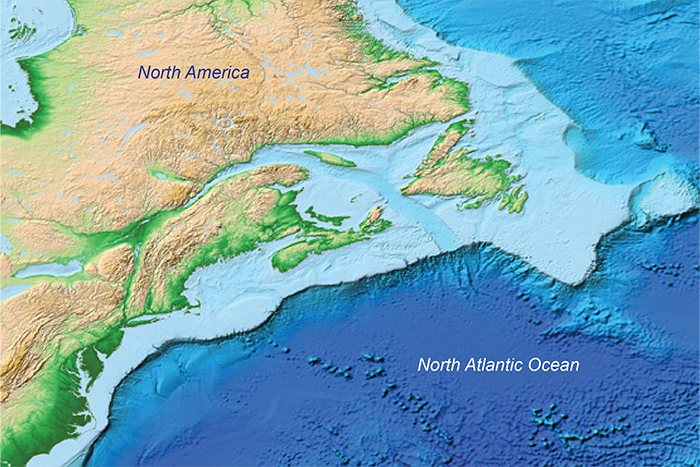
Researchers have gained new insights about a marine heatwave in the Northwest Atlantic in 2017. Their newly published study shows how circulation patterns likely influenced the event
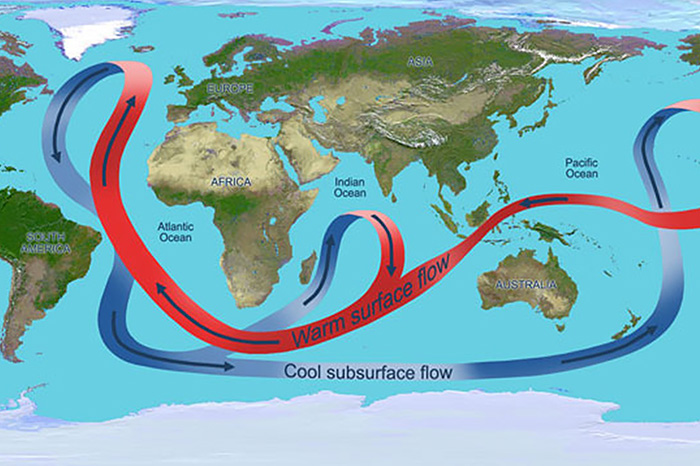
Investigating the role of Sea-Surface Salinity (SSS) in simulating historical AMOC decadal variation
The Atlantic Meridional Overturning Circulation (AMOC) is a significant component of Earth’s climate system, so realistic simulation of the AMOC is key to climate prediction. A new study indicates sea-surface salinity plays an important role in realistic AMOC simulation.

In the newly released IPCC Climate Change 2022 Impacts Report, authors lay out a clear case for a major turnaround that will better integrate the world’s economic and environmental systems for a sustainable future.
The NOAA Climate Program Office invites you to register for the IRAP FY18 Competition Webinar on Feb 14, 2018 2:30 PM EST at: https://attendee.gotowebinar.com/register/7120836812788849411 ...
This Feb. 14 webinar will answer general questions about IRAP proposals
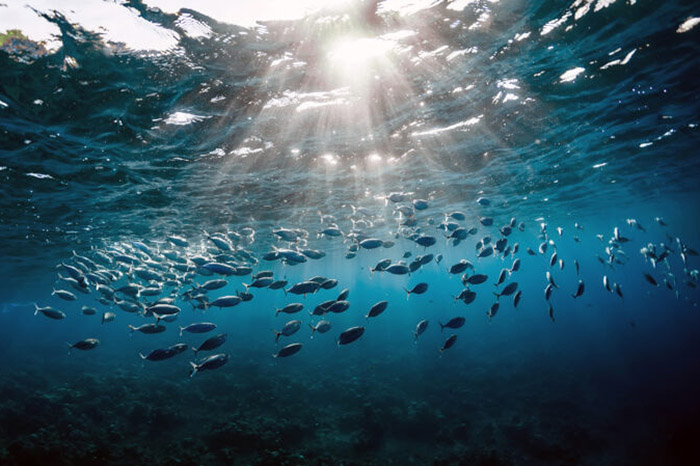
Projected end-of-21st-century increases in central tropical Pacific dust and iron deposition strengthen with increasing emissions/radiative forcing, and are aligned with projected soil moisture decreases in adjacent land areas and precipitation increases over the equatorial Pacific.